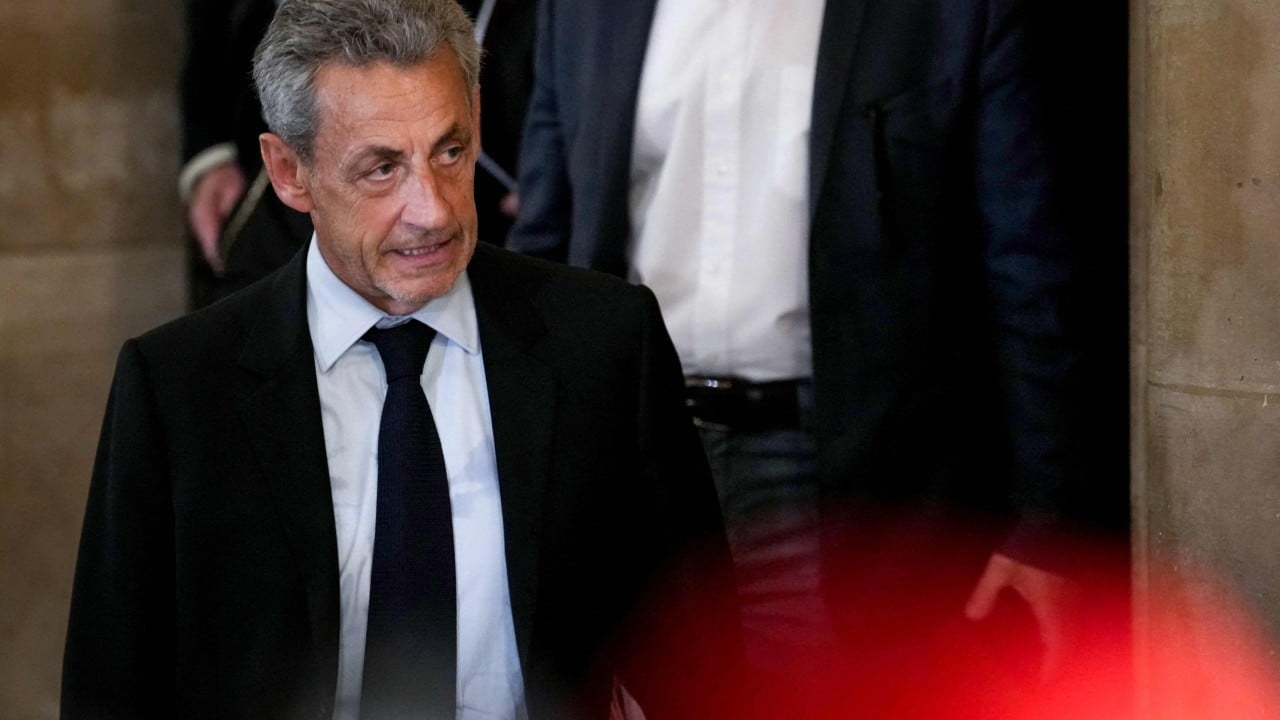
Nicolas Sarkozy just hit a wall. On May 13, 2026, French prosecutors didn't just ask for a prison sentence; they threw the book at him with a seven-year demand. This isn't some minor campaign accounting error. We’re talking about allegations of a "corruption pact" with the late Moammar Gadhafi to fund the 2007 election that put Sarkozy in the Elysée Palace.
If you’ve been following the "Hyper-President" since his 2007 win, you know he’s a fighter. But this appeal trial in the Libyan financing case feels different. The prosecution is asking for a seven-year term, a €300,000 fine, and a five-year ban from holding public office. It’s an aggressive move that signals the French judiciary is done playing nice with former heads of state.
The Libyan ghost that won't go away
The core of this mess is a dark trade-off. Prosecutors claim Sarkozy’s team traded French diplomatic influence and a rehabilitated global image for Gadhafi in exchange for millions in suitcases. They’ve called him the "instigator" of the whole scheme. Sarkozy, now 71, stood in that Paris courtroom and looked the judges in the eye, insisting there wasn't "a single cent" of Libyan money in his coffers.
Honestly, the stakes for the French soul are as high as the legal stakes for the man himself. We're looking at a case that involves the 1989 bombing of UTA Flight 772 and the 1988 Lockerbie disaster. Victims' families are sitting in the courtroom as civil parties. They aren't just looking for a conviction; they want to know if their pain was used as a bargaining chip for campaign cash.
A track record of legal losses
You can't look at the Libyan case in a vacuum. Sarkozy’s legal armor has been cracking for years. He’s already the first former president in modern French history to actually spend time behind bars. Remember, he did a 20-day stint at La Santé prison late last year before being released pending this very appeal.
His "to-do" list of convictions is getting long:
- The Bismuth Affair: He tried to bribe a judge for info. Result? A definitive conviction and an electronic bracelet he wore until May 2025.
- The Bygmalion Case: Massive overspending in his failed 2012 bid. He lost his final appeal at the Court of Cassation in November 2025.
- The Libyan Case: This is the big one. The current seven-year demand is the most severe yet.
Basically, he’s spent the last year juggling electronic tags and "Prisoner’s Diary" book tours while trying to merge his sentences. His lawyer, Vincent Desry, even tried to argue that his time under house arrest for one crime should count as time served for another. The courts aren't exactly jumping to agree.
Why this matters for the 2027 election
Even though he's technically retired, Sarkozy is still a kingmaker for the French right. Or he was. A five-year ban on public office would effectively end any whispered hopes of a comeback or a formal role in the 2027 race. The judiciary is drawing a hard line. They’re saying that the "Grandeur of France" doesn't give you a pass on basic rule-of-law principles.
You might think seven years sounds extreme for a guy his age. But prosecutors are leaning into the "criminal association" charge. They aren't treating this as a political scandal; they're treating it as organized crime.
What happens next
We won't get a final verdict until November 30, 2026. Between now and then, expect more fiery speeches from the man who once called his accusers "scoundrels." He’s still betting on his ability to charm his way out of a cell.
If you're watching this from the outside, don't expect a quick resolution. If he loses this appeal, he’ll head straight back to the Court of Cassation. But the momentum has clearly shifted. The days of French presidents being untouchable are dead and buried.
Stay tuned for the November ruling. If the judges stick to the seven-year recommendation, the "Sarko" era won't end in a library or a think tank—it'll end with a very long sentence.