Standard gift roundups treating advent calendars as a simple race against stockouts miss the underlying unit economics. Buying before a calendar sells out only matters when the price-to-value ratio, fulfillment overhead, and category timing align with how the product is actually built.
A typical listicle frames scarcity as a pure consumer urgency problem: forty-one-plus options exist, demand is surging, and hesitation means missing out. Operationally, that framing conflates genuine supply constraints with manufactured drop mechanics. A brand may cap production because custom rigid packaging and multi-SKU kitting require long lead times and fixed tooling minimums, or it may release a small batch to test demand, clear slow-moving inventory, and capture secondary-market hype. Confusing those two motives leads shoppers to overpay for routine assortments or rush into formats that lose utility by December 1. Learn more on a connected subject: this related article.
Deconstructing the Roundup Model
Listicle roundups optimize for breadth and early-season click-throughs rather than purchase efficiency. Grouping dozens of calendars by theme or aesthetic creates the illusion of exhaustive coverage while obscuring four structural variables that govern whether a calendar is actually a smart buy.
- True unit value vs. inflated retail claims: Advertised "worth" figures frequently sum individual full-size or travel-size list prices across 12 to 24 compartments, even when sample sizes are not sold separately at an implied per-milliliter rate or include overstocked SKUs.
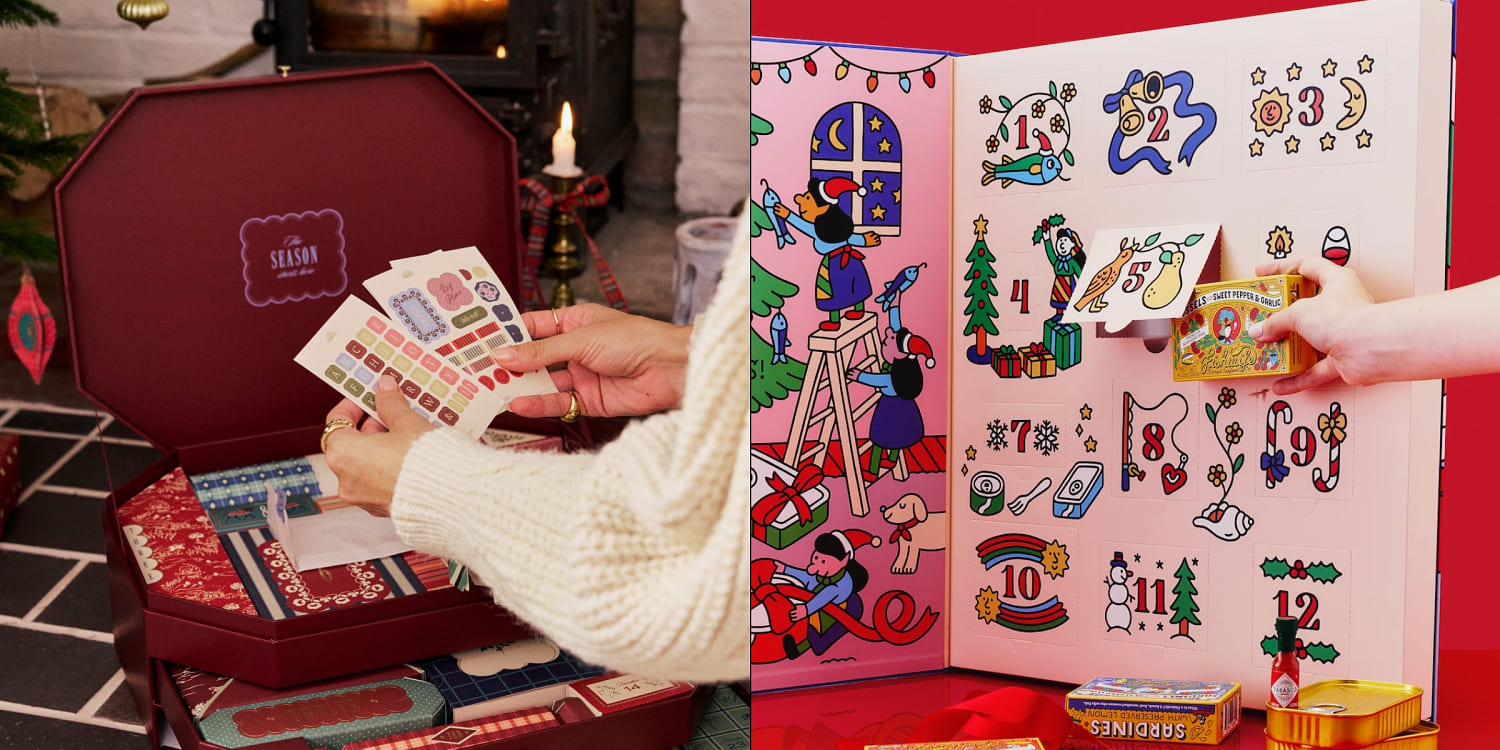
- Packaging and kitting drag: A substantial share of a calendar's cost sits outside the contents—inside custom drawers, rigid board, die-cut inserts, foil stamping, and manual or semi-automated assembly.
- Category shelf-life and timing: Perishable food, seasonal novelty items, and evergreen staples behave very differently once shipped; a calendar bought in October or November carries different storage, gifting, and usage constraints than one bought on promotion later.
- Buyer intent: Purchasing for personal daily routine, gifting to a specific recipient, or reselling limited drops each changes which trade-offs are acceptable.
In practical terms, two calendars priced at $100 can have radically different economic profiles. One may pack $300 of high-turnover staples into a simple folding carton with low assembly labor, while another puts $180 of nominal value inside an elaborate rigid box that required heavy kitting and high freight. The first delivers tangible product arbitrage; the second charges heavily for presentation and novelty. More reporting by Reuters Business delves into similar perspectives on this issue.
The Cost Function Behind Every Door
From an operator's perspective, an advent calendar is not a single SKU; it is a multi-part assembly project compressed into a narrow seasonal window. Understanding that cost structure explains why prices have climbed in many segments even when individual door counts shrink or full-size items give way to minis.
Fixed Packaging and Tooling
Custom structural boxes—such as pull-out drawers, book-style sleeves, or double-door rigid enclosures—require up-front tooling, structural sampling, and minimum order quantities. Finishes like soft-touch lamination, foil stamping, embossing, magnetic closures, and custom trays or inserts add incremental per-unit cost and weight. When production runs are small, those fixed and semi-fixed packaging costs are amortized across fewer units, raising cost per calendar.
Multi-SKU Kitting and Fulfillment
Unlike standard single-item pick-and-pack, assembling an advent calendar requires sourcing dozens of component SKUs, staging inventory, inserting items into specific numbered slots or drawers, inspecting quality, and shipping bulky dimensional packages. Seasonal labor spikes and peak carrier surcharges further compress margins when schedules slip. If any single component SKU is delayed or runs short, the entire finished calendar is bottlenecked.
Bundling Economics and Margin Capture
Multi-item calendars let brands bundle high-margin hero items with lower-cost trial sizes, seasonal editions, or slower-moving inventory. Because buyers evaluate the box as a curated experience rather than pricing each door independently, brands can often realize stronger gross margins than on standalone promotional sets—provided sell-through stays high before the holiday window closes.
This explains a pattern visible across recent seasons: some brands raise retail prices or trim item counts while keeping perceived value high through "total value" callouts. That is a known mechanism in seasonal merchandising, whereas the exact margin split on any specific unreleased box remains proprietary unless disclosed by the seller.
Scarcity Signals vs. Real Supply Risk
"Sell out soon" is one of the weakest buying criteria on its own because stockouts happen for three distinct reasons, and only one of them signals irreplaceable value.
- Genuine capacity or component limits: Custom molds, licensed IP, artisanal batches, or specialized imports have hard production ceilings. Once allocated inventory is gone, restocks rarely arrive in time for December use.
- Staggered release waves: Many retailers release initial allocations early in the fall—sometimes in September, October, or early November—and hold back secondary drops for Black Friday or Cyber Monday promotional windows. An early "sold out" banner may simply mark the end of Wave 1.
- Artificial or marketing-driven scarcity: Small initial runs or exclusive collaborations generate urgency and social chatter, even when similar items are available year-round in standard packaging at lower per-unit cost.
The second limitation of chasing sell-outs is asymmetric downside risk. Buying early locks up cash and removes the option to compare competing releases or catch post-launch markdowns on overproduced mid-tier calendars. Yet waiting too long on genuinely capped luxury or niche editions can force buyers onto secondary marketplaces where markups strip away any perceived value advantage.
Why Category Dynamics Shift Across Segments
A unified "41+ best" list treats beauty, confectionery, tea and coffee, toys, stationery, and lifestyle calendars as if they compete on the same terms. In reality, each vertical has its own demand curve and failure mode.
- Beauty and fragrance rely heavily on perceived value ratios, exclusive shades or minis, and early-season launches. The main trap is paying for 24 doors when only six or eight items match your actual routine or skin/hair profile.
- Food, tea, coffee, and confectionery depend on freshness, flavor variety, and timing. Buying too early can reduce enjoyment if a calendar is opened weeks ahead of December, while commodity cost shifts in ingredients like cocoa or specialty goods affect price-to-weight ratios.
- Novelty, hobby, and specialty calendars (such as stationery, puzzles, pet treats, or pop-culture items) live or die by novelty and curation. Once the novelty wears off, leftover pieces often sit unused if the underlying items lack standalone utility.
Even countdown calendars outside traditional December gifting—such as Halloween or other seasonal variations—follow the same rule: the format only works if the daily cadence matches how the recipient actually consumes the goods.
A Tactical Framework for Evaluating Any Calendar
Instead of scanning a mega-list and reacting to countdown timers, apply a five-step filter before checking out.
- Audit usable items, not total doors: List every disclosed item or category slot and separate genuine daily-use or gift-worthy pieces from filler samples or duplicates.
- Calculate cost per usable item: Divide the out-the-door price (including shipping and tax) by the number of items you or the recipient will actually use—not the door count.
- Separate packaging from product: Ask whether you will reuse the box, drawers, or container afterward. If the answer is no, treat ornate packaging as sunk cost rather than value.
- Check release wave and restock probability: Look at whether the brand historically runs multiple drops, stocks through major retail partners, or produces a strict numbered edition.
- Compare against unbundled alternatives: Price out buying the top two or three desired items on their own. If the standalone cost of the items you truly want is close to the calendar price, the calendar is doing real work; if not, you are paying for the format.
Edge Cases and Limits of the Framework
No evaluation framework eliminates trade-offs completely. For a surprise gift where discovery is half the point, itemizing every door can spoil the experience. For ultra-niche collector editions, secondary-market scarcity may matter more than unit economics. And when a brand withholds full itemization until launch, buyers must weigh historical brand consistency against the risk of undisclosed filler.
Strategic Play for Buyers This Season
Treat every advent calendar purchase as a two-bucket decision: buy early only for verified, capped editions or high-conviction gifts where missing out carries clear regret, and hold budget on broad multi-brand or mid-tier calendars until promotional windows reveal which inventory actually moves. Discipline on usable-item math beats urgency every single time.