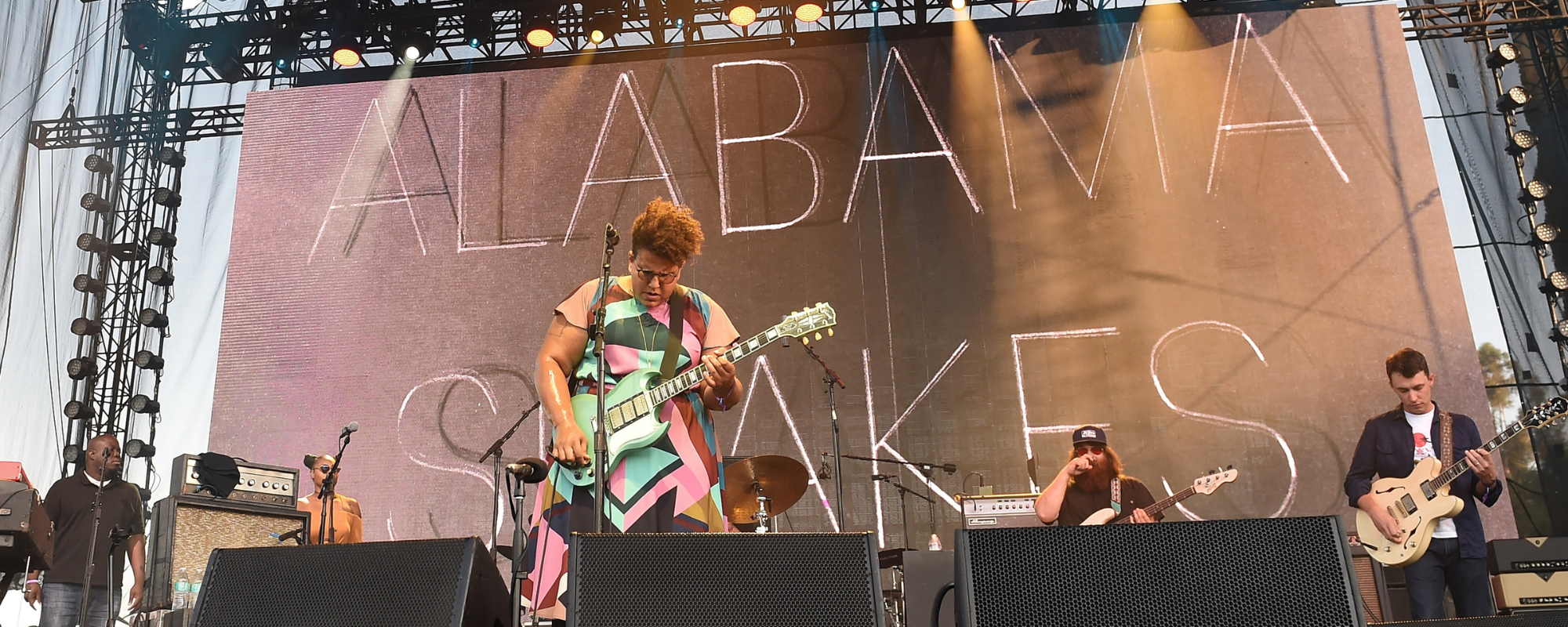
Rock music loves to declare its own death. Critics have spent decades writing glowing obituaries for the genre, claiming guitars are out and algorithms are in. Then a band like Alabama Shakes walks into a room, plugs in, and blows those tired narratives to pieces.
Led by the elemental force of Brittany Howard, this group didn't just capture lightning in a bottle with records like Boys & Girls and Sound & Color. They built something much rarer. They built a bridge across generations of music fans who usually agree on nothing.
The Sound That Defied Eras
If you stand in a crowd at an Alabama Shakes show today, you will spot teenagers wearing vintage band tees standing right next to retirees who remember when rock was born in the fifties. That doesn't happen by accident. Modern music is hyper-segmented. Gen Z listens via endless algorithmic feeds, while older listeners cling to physical media and classic rock radio.
Yet Alabama Shakes short-circuits that divide. How? They bypass modern artifice entirely.
When Howard opens her mouth, she channels decades of American musical history—blues, gospel, punk, and classic soul. Tracks like "Hold On" and "Don't Wanna Fight" do not sound like manufactured retro throwbacks. They feel heavy, lived-in, and dangerous. They possess an authentic grit that appeals to older purists who value musicianship, while carrying the raw, emotional urgency that younger audiences crave in a chaotic digital age.
Surviving the Pressure Cooker
Most breakout bands implode when success hits too fast. Alabama Shakes nearly did. After dominating the charts and racking up Grammy awards, the band hit the brakes in 2018 and went on a lengthy hiatus. Howard pursued acclaimed solo projects, while other members explored different creative outlets.
In the music industry, an eight-year gap between major releases usually spells permanent doom. Bands fade into nostalgia acts or fail to recapture their original chemistry. But the core trio of Howard, bassist Zac Cockrell, and guitarist Heath Fogg refused to rush a reunion just to chase a paycheck.
When they finally returned to the stage and the studio, they brought a deeper maturity. Their later work, including material from albums like I Must Be Dreaming, tackles heavier cultural friction and personal introspection without losing that fierce, communal heartbeat. They traded the frantic energy of their early twenties for a composed, masterclass level of songwriting.
Why the Connection Holds Fast
You can trace the enduring strength of Alabama Shakes back to a simple truth. People are desperate for human imperfection. In an era where pop vocals are pitch-corrected to sterile perfection and tracks are assembled by committees, Howard's voice cracks, strains, and bleeds raw emotion.
That vulnerability acts as an anchor. It tells the listener that real people are in control of the instruments.
When you look at modern headliners, few bands manage to pull off this multi-generational trick. Rock either leans too far into nostalgic pastiche or tries too hard to sound aggressively futuristic. Alabama Shakes sits comfortably in the middle, proving that great songwriting requires no gimmicks.
If you want to understand why rock music refuses to die, stop looking at the charts. Just listen to the way a crowd falls dead silent the second Howard hits the first note of a melody, waiting to see where she will take them next.