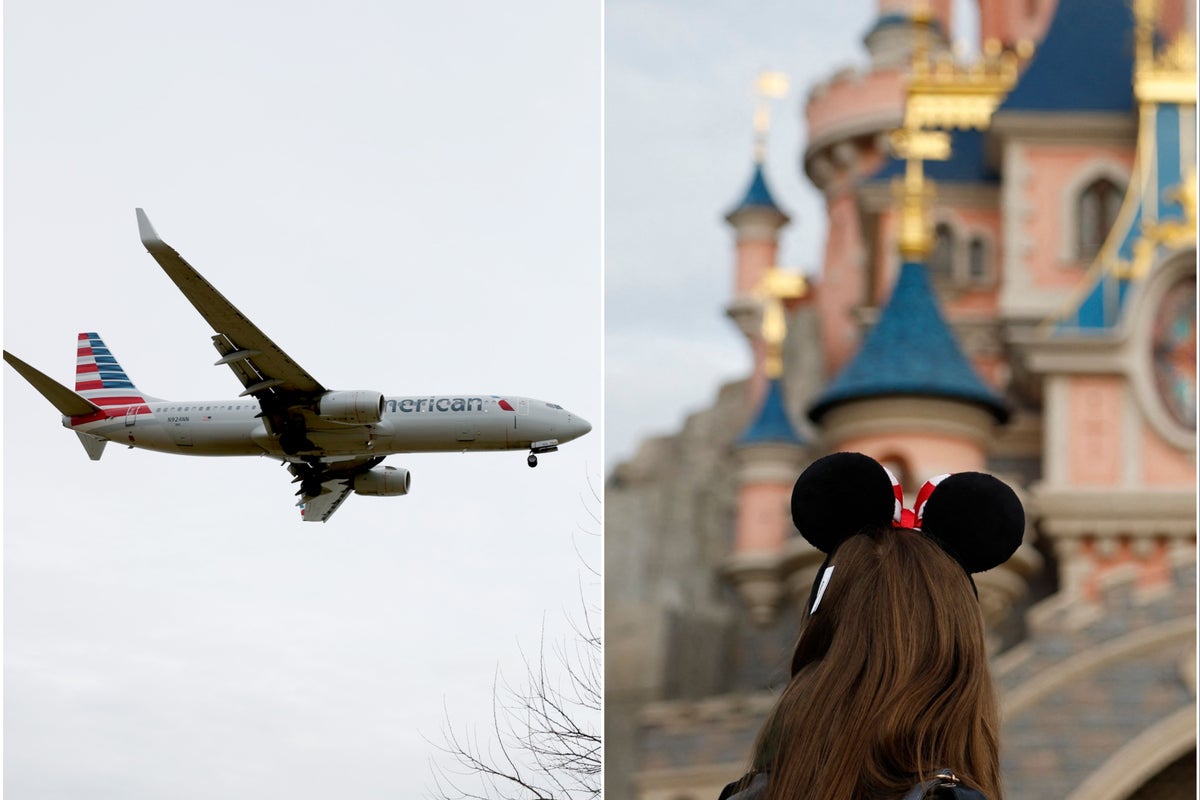
A four-year-old boy doesn’t understand the logistics of overbooked flights or airline revenue management. He just knows he’s wearing Mickey ears and sitting in a terminal instead of meeting Goofy. The recent lawsuit against American Airlines isn't just about a missed flight. It’s a case study in how corporate policy can collide with human reality. When an airline bumps a preschooler from a "once in a lifetime" Disney trip, they aren’t just rescheduling a seat. They’re dismantling a family’s carefully constructed joy.
The situation involves a family that did everything right. They booked early. They checked in. They showed up. Yet, through the opaque wizardry of airline algorithms, their child was denied boarding. This isn't just an inconvenience. For a child that age, a trip like this is the center of their universe. The legal fallout now highlights a growing frustration with how carriers treat their most vulnerable passengers.
The Reality of Involuntary Denied Boarding
Airlines call it "involuntary denied boarding." You call it being stranded. Most people assume that if they have a ticket and a seat assignment, they're safe. They’re wrong. Federal law actually allows airlines to oversell flights. Carriers bet on the fact that a certain percentage of people won't show up. When everyone actually arrives, someone gets the short straw.
Usually, airlines look for volunteers. They offer vouchers, cash, or hotel stays. But when nobody takes the bait, they start picking people based on a "boarding priority" list. This list often prioritizes frequent flyers or those who paid the highest fare. Cheap tickets or lack of status often put families at the bottom of the pile. In this specific case, the optics are terrible. You’ve got a massive corporation effectively telling a toddler that his seat is worth less than the airline’s bottom line.
The lawsuit alleges that the family suffered significant emotional distress and financial loss. Disney trips are notoriously expensive and rigid. Missing a day means losing out on non-refundable hotel stays, expensive park tickets, and hard-to-get dining reservations. You can’t just "move" a Disney trip by 24 hours without a domino effect of cancellations.
Why Your Seat Assignment Isn't a Guarantee
Most travelers live under the delusion that a confirmed seat means they own that space for the duration of the flight. Look at the fine print in the "Contract of Carriage." You don’t own that seat. You’ve basically rented a promise of transportation from Point A to Point B. American Airlines, like its competitors, reserves the right to move you or bump you if the plane is too heavy or overbooked.
The airline industry has a history of these PR nightmares. We all remember the United Express flight in 2017 where a passenger was physically dragged off a plane. While this 4-year-old wasn't dragged, the emotional weight of being told you can't go on your dream vacation is its own kind of trauma. The family claims the airline showed a lack of empathy during the process. Honestly, that’s the part that sticks. It’s the "computer says no" attitude that drives people to file lawsuits.
If you’re traveling with kids, you expect a certain level of protection. You’d think an airline would have a policy against bumping unaccompanied minors or small children from their guardians. Yet, errors in the system can separate families during the bumping process. It’s a systemic failure that prioritizes the algorithm over the passenger.
Navigating the Legal Mess of Airline Liability
Suing an airline is an uphill battle. The Montreal Convention and various federal laws often cap how much you can recover for "distress." Usually, airlines are only on the hook for the price of the ticket and some standardized compensation. But this family is pushing for more. They want the airline to answer for the specific "chaos" caused to their vacation.
To win, their legal team has to prove that American Airlines didn't just follow a standard procedure, but acted with gross negligence or violated its own internal policies regarding family travel. They’re looking for a settlement that reflects the true cost of a ruined Disney experience, which easily runs into the thousands when you factor in Genie+, character breakfasts, and boutique stays.
What the Department of Transportation Says
The Department of Transportation (DOT) has clear rules about what you’re owed if you’re bumped:
- If the airline gets you to your destination within one hour of your original arrival time, no compensation is required.
- If the delay is between one and two hours (or one to four hours internationally), they owe you 200% of your one-way fare, up to $775.
- If the delay is longer than two hours, they owe you 400% of your fare, up to $1,550.
But here’s the kicker. That cash doesn't cover the $600 you lost on a missed Bibbidi Bobbidi Boutique appointment. It doesn't cover the heartbreak of a kid crying in Terminal D. The DOT rules are designed to compensate for travel time, not for the value of the destination’s experiences. That’s why this lawsuit is so aggressive. The family wants the court to see the destination as part of the damages.
How to Protect Your Family From Being Bumped
You can’t 100% guarantee you won't be bumped, but you can make yourself a difficult target. Airlines hate bumping people who are going to cause a massive scene or a PR disaster, though clearly, that didn't stop them here.
First, check in the very second the window opens. Most airlines use "last to check in" as a primary factor for who gets bumped first. If you’re at the 24-hour mark, you’re usually safe. Second, join the frequent flyer program. Even the lowest tier of membership gives you a slight edge over someone with no loyalty status.
Third, if they tell you you’re bumped, don't just walk away. Ask for the "written statement" explaining your rights. Airlines are legally required to give this to you. Often, when you start asking for the formal paperwork and mentioning DOT compensation, the gate agent magically finds a way to get you on the plane. They’d rather deal with a solo business traveler who will take a $1,000 voucher than a family of four heading to Orlando.
The Cost of Corporate Apathy
American Airlines hasn't commented extensively on the pending litigation, which is standard. But the damage to their brand is already done. Every parent reading this story feels a pang of anxiety. We’ve all been in that position where a vacation we’ve saved for years to afford is at the mercy of a tired gate agent and a buggy software update.
This lawsuit serves as a warning shot. Families are tired of being treated like cargo. If the court sides with the family, it could set a precedent that forces airlines to look beyond the fare class and see the humans in the seats. It shouldn't take a legal filing to realize that bumping a preschooler is a bad idea.
Protect yourself by knowing the rules before you get to the airport. Print out the DOT’s "Fly Rights" page. Keep it in your carry-on. If the airline tries to tell you that you’re only entitled to a meal voucher, show them the law. Being a "smart friend" in the eyes of the airline is often your only leverage when the system decides you’re the one who doesn't get to fly. Demand your compensation in cash, not just vouchers. Airlines prefer vouchers because they often expire unused, but you have a right to a check if you’re bumped involuntarily.
Stop letting airlines dictate the value of your time and your family’s memories. If you’re bumped, document everything. Take photos of the gate screen. Record your conversations if it’s legal in that jurisdiction. Get the names of the staff. If American Airlines has to pay out for this Disney disaster, maybe the next family will actually make it to the Magic Kingdom on time.


