The world doesn't look to Washington for a moral compass anymore. If you think the shift in global power is just about GDP or military spending, you’re missing the point. It’s about the total collapse of a specific kind of leadership. Jean Pisani-Ferry, a guy who knows the inner workings of European policy better than almost anyone, recently argued that the United States has permanently lost its moral standing. He’s right. But the reasons go deeper than just one election or one botched trade deal. We’re witnessing the end of an era where "Western values" served as the default setting for the planet.
For decades, the U.S. sat at the head of the table. It wasn’t just because they had the biggest nukes. It was because they owned the narrative. They were the "indispensable nation." Today? That narrative is in tatters. Whether it's the weaponization of finance, the retreat into protectionism, or the blatant double standards in international law, the gap between what America says and what America does has become a canyon. You can’t lecture the world about a rules-based order while you’re busy tearing up the rulebook whenever it suits your domestic politics.
The high price of the America First era
The shift didn't happen overnight. It started with a slow erosion and turned into a landslide. When the U.S. pulled out of the Paris Agreement and the Iran nuclear deal, it told the world that an American signature isn't worth the paper it’s printed on. Trust is a currency. Once you spend it, you don't just get it back by changing the guy in the Oval Office. The global south hasn't forgotten. They saw how the U.S. handled the pandemic—hoarding vaccines while preaching about global cooperation.
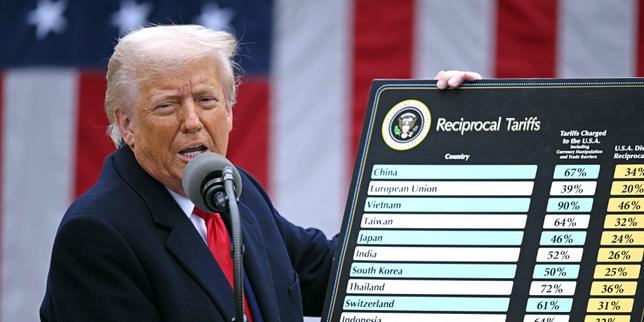
Economic policy has moved from "free trade" to "security-first" overnight. We used to hear that global integration was the path to peace. Now, the U.S. uses that same integration as a weapon. By cutting off rivals from the dollar system or restricted chip technology, they’ve proven that being part of the American system is a liability as much as an asset. You don't build a moral high ground by holding the world’s supply chains hostage.
Why the European perspective is shifting
Europe used to be the biggest cheerleader for American leadership. Not anymore. Leaders in Paris and Berlin are waking up to the reality that they can't rely on a partner that flips its entire world view every four years. Pisani-Ferry points out that the U.S. has basically embraced a form of industrial policy that looks a lot like the "China model" they used to criticize. The Inflation Reduction Act (IRA) is a perfect example. It’s a massive subsidy program designed to pull business away from allies and toward American shores.
It’s hard to play the "global leader" card when you’re actively cannibalizing your friends' economies. This isn't just a trade dispute. It’s a fundamental change in how the U.S. views its role. They’ve traded the mantle of "global architect" for "local protector."
Double standards and the death of the rules based order
If you want to know why the rest of the world is rolling their eyes at American rhetoric, look at how international law is applied. The U.S. is quick to condemn war crimes in Ukraine—as they should—but they stay silent or provide cover when their own allies are accused of the same. This selective outrage has destroyed their credibility in the eyes of the "Global South."
Countries like Brazil, India, and South Africa aren't "pro-Russia" or "pro-China." They’re just tired of being told what to do by a superpower that ignores the rules when they're inconvenient. They see the hypocrisy. They see the U.S. refusing to join the International Criminal Court while demanding others follow its warrants. You can't lead a moral crusade when you're wearing a blindfold.
The rise of the transactional world
We're moving into a world that is purely transactional. Gone are the days when countries would align with the U.S. because they believed in the "American Dream" or the superiority of liberal democracy. Now, it’s about what you can do for me today. China offers infrastructure. Russia offers energy and security. The U.S. offers... lectures? That’s not a winning strategy in 2026.
The "moral magistère" Pisani-Ferry talks about was based on the idea that American interests and global interests were the same. That illusion is dead. Today, American interests are clearly just about America. When you stop providing global public goods and start focusing entirely on your own middle-class jobs and tech supremacy, you lose the right to lead the global conversation.
Rebuilding from the wreckage
Can the U.S. recover this lost ground? Probably not. The world has moved on. The BRICS+ expansion is a clear sign that major players are looking for alternatives to the dollar-dominated world. They want a multipolar system where no single country gets to decide who is "moral" and who isn't.
The U.S. needs to stop trying to reclaim a past that’s gone. Instead of trying to be the world's moral police, they should try being a reliable partner. That means:
- Consistently following international treaties instead of picking and choosing.
- Ending the "extra-territorial" reach of American laws that frustrate allies.
- Recognizing that other countries have legitimate interests that don't always align with Washington's.
The era of American exceptionalism is over. The sooner Washington accepts that it's just one big player among several, the better the world will function. We don't need a single moral leader. We need a functional system where everyone actually follows the rules they agreed to.
Stop waiting for a return to the 1990s. It’s not happening. The smart move for businesses and governments now is to diversify their dependencies. Don't put all your eggs in the American basket. The floor is moving, and if you aren't hedging your bets, you’re going to get caught when the next policy shift hits. Build your own regional alliances. Invest in local resilience. The U.S. is looking out for itself—it’s time everyone else did the same.