The fragile interim ceasefire between Washington and Tehran didn’t just crack; it shattered completely. If you want to understand where the conflict is heading, look away from the standard military installations. Look instead at the shattered concrete of the Aq Taqeh Khan railway bridge in northern Golestan province and the smoking ruins of Sirik port.
When US Central Command sent cruise missiles and strike aircraft to hit 90 targets across Iran, the immediate narrative focused on protecting the Strait of Hormuz. President Donald Trump framed it as direct retribution for Iranian attacks on merchant ships near Oman. But the real story is much bigger, much more strategic, and vastly more dangerous for regional stability. Washington didn’t just target missile batteries. They went after the economic lifelines keeping Iran alive under a maritime blockade.
The Strategy Behind Hitting Concrete and Steel
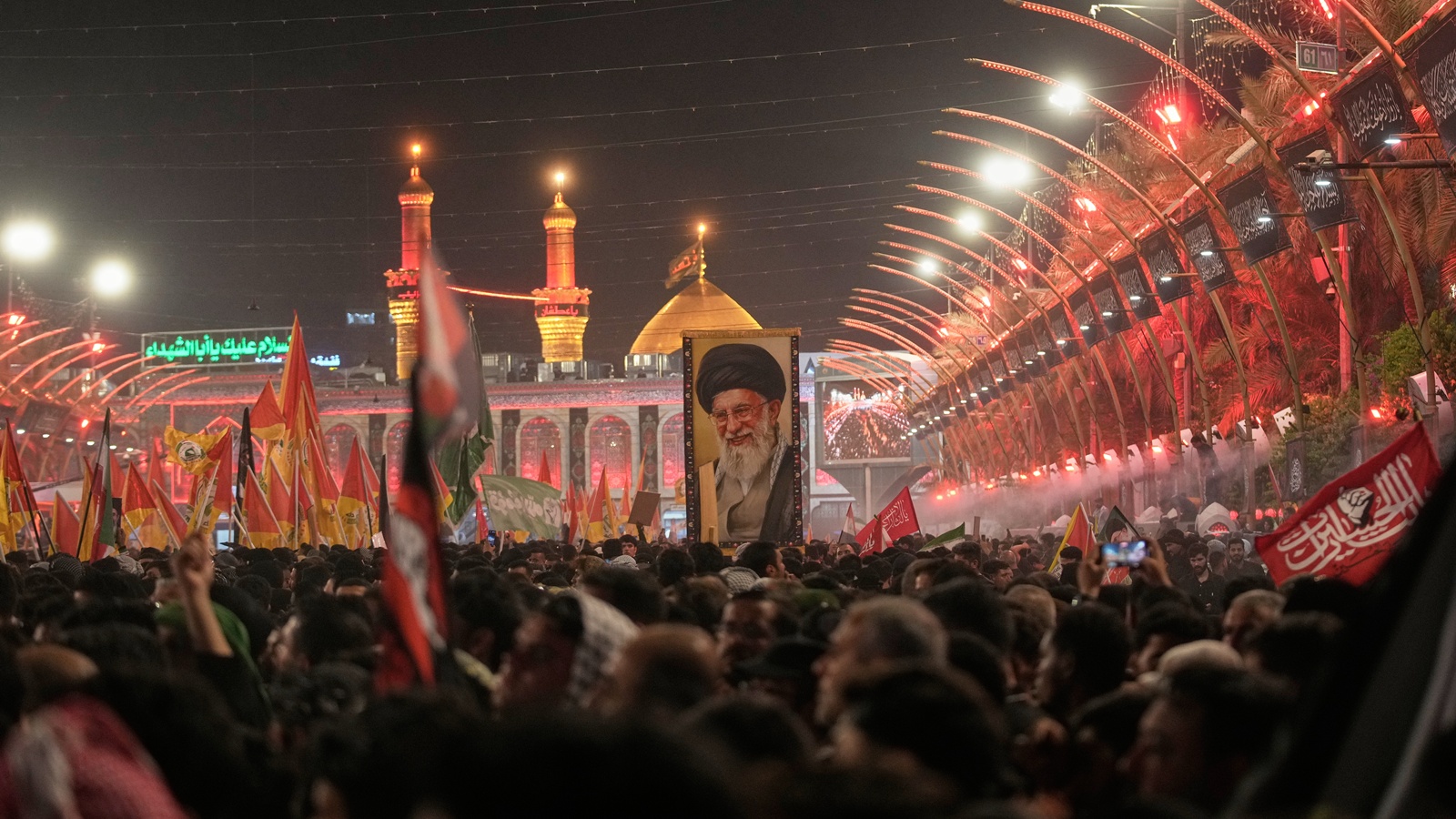
For months, the Tehran-Mashhad rail line served as a primary national artery. It wasn't just moving everyday cargo. It was the symbolic and literal pathway for millions of mourners heading to Mashhad for the long-delayed burial of Supreme Leader Ayatollah Ali Khamenei. By dropping a bridge 55 kilometers outside the holy city just hours before the funeral, the US military delivered a psychological gut punch. They intentionally disrupted passenger transit when the country was at its most vulnerable, forcing stranded crowds onto local roads.
But look closer at the geography. This isn't just about domestic travel. The northern rail loop connects directly to the Gorgan-Incheh Borun line, running straight through Turkmenistan and Kazakhstan all the way to China.
When the US Navy choked off Iran’s Gulf ports earlier during this conflict, this land corridor became a vital economic pressure valve. Russian cargo traffic had been quietly surging along this route since late 2025, and Chinese freight movements reportedly tripled once maritime trade in the south became a shooting gallery. By taking out these bridges, the US sent a cold message to Moscow and Beijing: your overland backdoors into Iran are no longer safe.
Chaos on the Southern Coastline
While the northern tracks were being twisted by cruise missiles, Iran's southern maritime infrastructure took a beating. The damage reports coming out of Hormozgan province show a deliberate attempt to cripple small-scale supply hubs that slip under the radar of traditional naval blockades.
- Sirik Port: Hit by two distinct waves of strikes that targeted the basin, heavily damaging the main floating pier and disabling local commercial vessels.
- Chabahar Free Zone: The maritime control tower was targeted and severely compromised, blinding local radar and coastal surveillance.
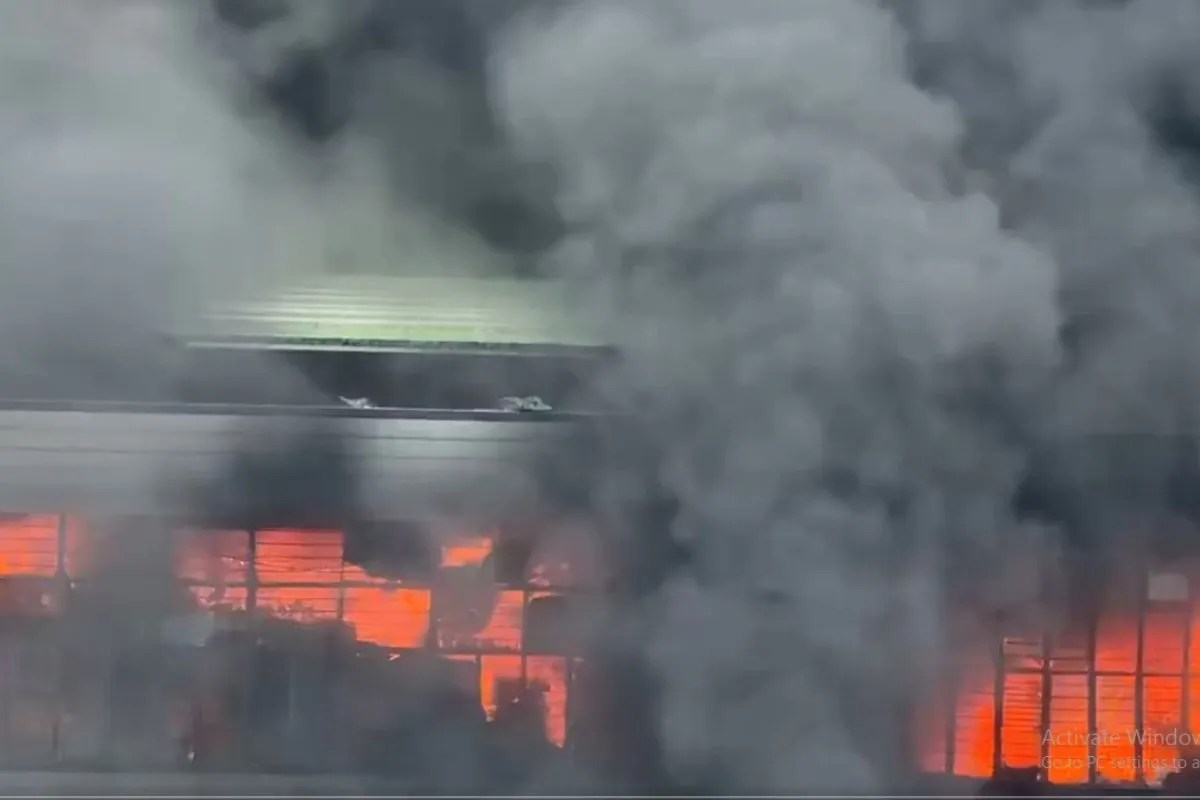
- Kuhestak Port: Videos verified from the ground show thick black smoke rising from the port facilities following direct hits.
This wasn't random tonnage destruction. A Tehran-based logistics coordinator noted that while a single train from Xi'an only hauls about 3,800 tonnes of goods, these alternative routes collectively kept the domestic market from total collapse during the worst of the naval blockades. Taking them offline simultaneously causes immediate distribution bottlenecks across the country.
The Gulf Spillover
Tehran didn't wait to count the dead before striking back. Within hours of the infrastructure hits, the Islamic Revolutionary Guard Corps launched swarm drone and ballistic missile counter-strikes targeting US military facilities across the Gulf. Air raid sirens screamed across Bahrain, Kuwait, and Qatar.
Kuwaiti air defenses intercepted three ballistic missiles and a cruise missile over bases in Arifjan and Ali Al Salem, while shrapnel injured civilians on the ground. In Bahrain, home to the US Navy’s Fifth Fleet, defensive systems intercepted incoming projectiles over the Juffair naval facility.
The political fallout is moving just as fast. The mini-peace deal signed three weeks ago, which was supposed to guarantee a 60-day cooling-off period, is dead. Trump made that clear from Air Force One, telling reporters that the ratio is now twenty-to-one. "Every time they hit us, we're going to hit them 20," he stated.
Meanwhile, Iranian President Masoud Pezeshkian is facing intense domestic pressure to abandon his relatively measured diplomatic tone. He rejected Trump's personal insults but warned that Iran would defend its infrastructure aggressively.
What Happens Right Now
If you're tracking supply chains or regional security, the next 48 hours are critical. Iran's state-owned railway body has already deployed technical crews to build bypass tracks and patch up the Aq Taqeh Khan bridge, claiming repairs will take only a few days. But fixing a shattered maritime control tower in Chabahar or rebuilding floating piers in Sirik takes weeks, not days.
Watch the Strait of Hormuz. Commercial shipping there has ground to a near total halt as international insurance syndicates withdraw coverage for transit. If you operate assets or rely on supply lines connected to the Central Asian rail corridor, expect immediate delays as freight handlers reroute cargo away from the volatile Turkmen-Iranian border crossings. The war has officially moved off the water and onto the tracks.