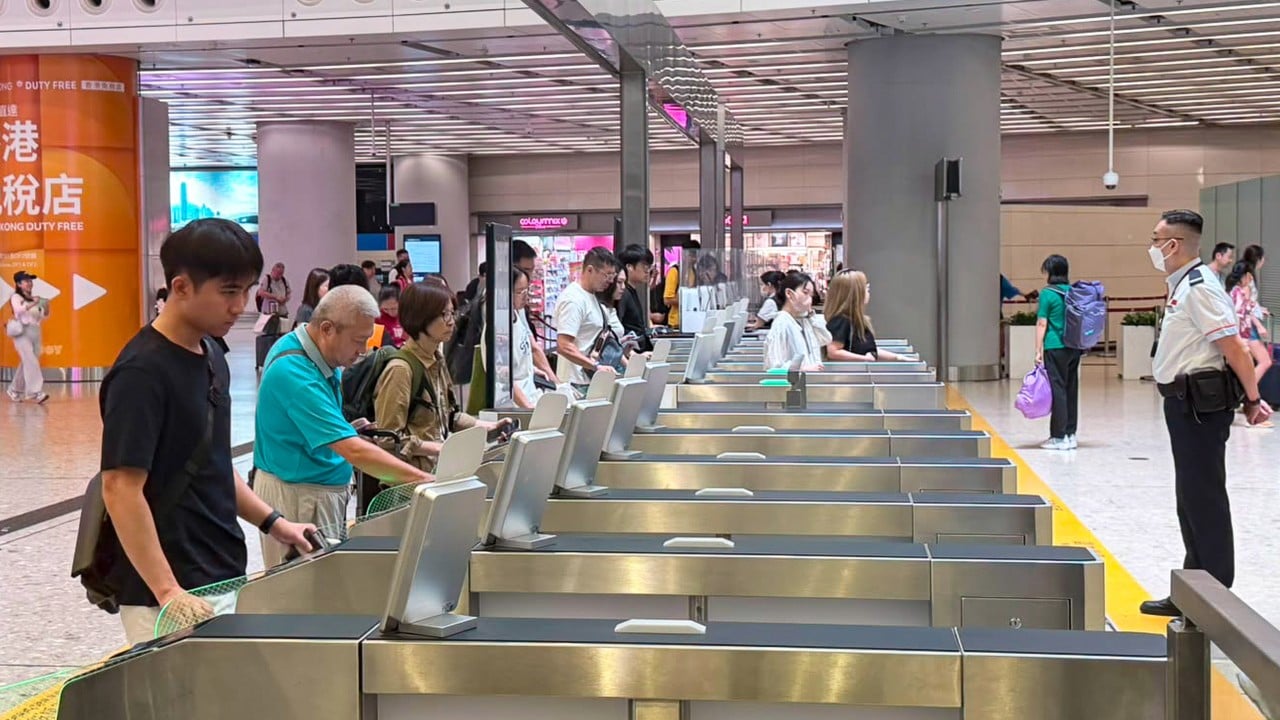
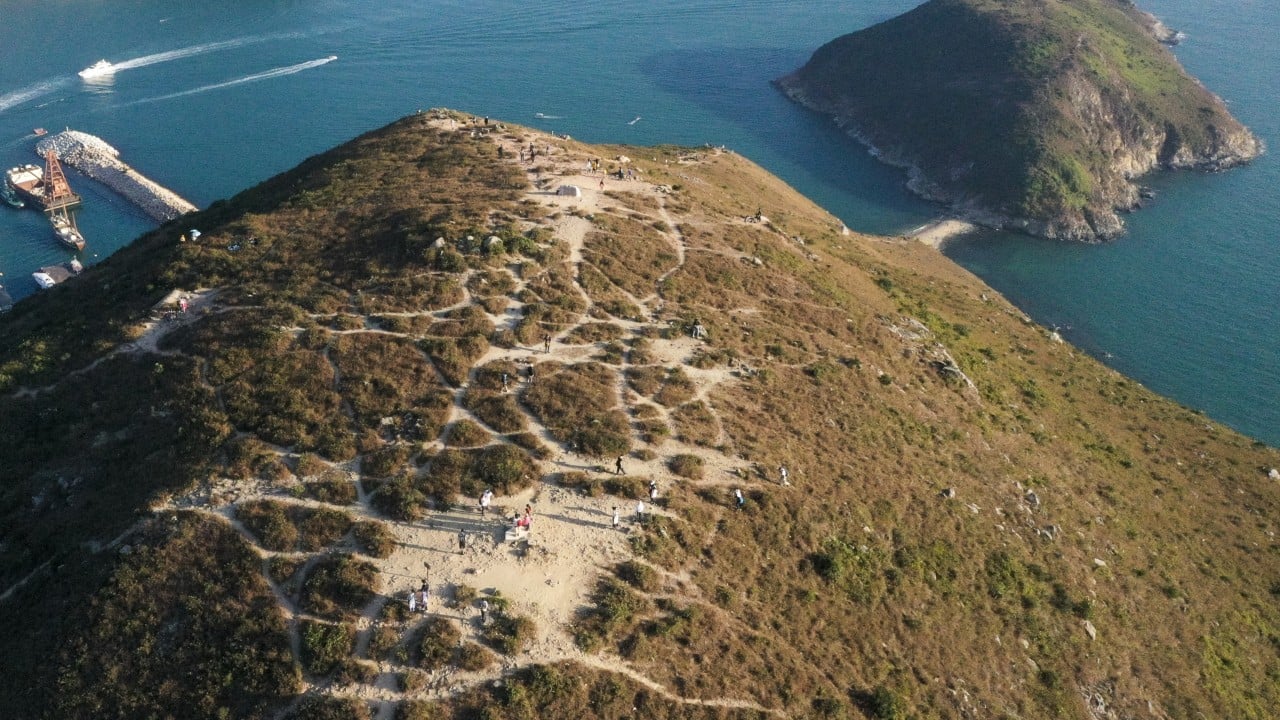
When Mount Anak Krakatau decides to wake up, nobody gets to ignore it. Early Sunday morning, Indonesia’s most notorious volcanic child erupted, sending towering plumes of ash thousands of feet into the sky and throwing Southeast Asian aviation into absolute chaos. If you were scheduled to fly out of Jakarta's Soekarno-Hatta International Airport, your travel plans instantly dissolved into long lines, refund requests, and stranded luggage.
Let's look at what actually happened on the ground and why volcanic ash remains public enemy number one for modern commercial jet engines.
The Morning the Skies Shut Down
The eruption itself didn't last all day. Geological authorities noted that the active crater in the Sunda Strait—sitting strategically between Java and Sumatra—erupted sharply for about 30 seconds. That brief burst was all it took. Satellite imagery tracked two massive ash plumes heading in opposite directions. One cloud climbed to roughly 20,000 feet, drifting northeast toward Jakarta, Banten, and West Java. The second monster plume shot up an astonishing 50,000 feet, blanketing parts of Lampung, Bengkulu, and the open waters of the Indian Ocean.
At Jakarta’s Soekarno-Hatta International Airport, the country's busiest aviation hub, safety protocols kicked in immediately. Authorities ordered temporary closures after conducting critical paper tests that confirmed dangerous abrasive ash particles floating directly through local flight paths. By Sunday afternoon, 209 flight movements had been disrupted, impacting roughly 22,800 passengers.
International routes connecting Jakarta to global heavyweights like Singapore, Kuala Lumpur, Sydney, Amsterdam, Doha, Seoul, and Hong Kong faced heavy cancellations or severe delays. Domestic corridors weren't spared either, with flights heading toward Bali, Surabaya, Makassar, and Lampung experiencing cascading schedule adjustments. Radin Inten II International Airport in Lampung also reported immediate disruptions as local airspaces became choked with debris.
Why Volcanic Ash Terrifies Pilots
If you have never stood in an airport terminal staring blankly at a row of cancelled flights because of a volcano hundreds of miles away, it sounds like an overreaction. After all, the ash cloud is miles high, and planes fly high too. Can't they just steer around it?
The reality of jet engine physics makes that impossible. Volcanic ash is not like campfire soot. It is pulverized rock, glass, and crystalline minerals. When a commercial jet flies into an ash cloud, those microscopic glass shards get sucked into engines operating at blistering operating temperatures.
Inside the core, the glass melts. It coats turbine blades, blocks cooling holes, and chokes airflow. Engines can flame out completely in minutes. Beyond engine failure, abrasive ash strips windshields until pilots are completely blind and sandblasts the aircraft's exterior paint and sensors. No airline is going to gamble with that kind of risk. When Indonesia's Directorate General of Civil Aviation puts a halt on operations, they do it because the alternative is catastrophic.
Living in the Shadow of the Child of Krakatoa
Anak Krakatau translates directly to "Child of Krakatau". It earned that name honestly, rising straight out of the marine caldera left behind by the legendary 1883 cataclysm that reshaped global weather patterns. This geological newcomer has a violent history. A tragic collapse of its southwestern slope in 2018 triggered an unexpected tsunami that claimed hundreds of lives along the coasts of Java and Sumatra.
Understandably, any sudden pulse of activity from this volcano puts local communities and disaster mitigation agencies on high alert. While authorities confirmed there was no imminent tsunami threat during this recent event, daily life in the surrounding provinces took an immediate hit. Schools in nearby regions scaled back activities after students and residents reported stinging eye irritation from falling debris. Local fishermen prudently abandoned their morning trips, waiting for the skies to clear.
Navigating Flight Disruptions in Volcanic Zones
If you regularly travel through Indonesia or other active tectonic regions across the Pacific Ring of Fire, flight disruptions caused by nature are an occupational hazard. You cannot control geology, but you can manage how you react when your itinerary blows up.
- Check ahead before heading out: Never rely solely on automated airline notifications. Check airport operational status feeds and meteorological updates directly before leaving for the terminal.
- Understand your carrier's policies: Indonesian aviation regulations mandate support for stranded travelers during force majeure events, but refund and rescheduling processing times vary wildly between budget carriers and legacy international lines.
- Keep emergency buffers in your schedule: If you are catching a tight long-haul connection out of Jakarta or regional hubs during active volcanic periods, build an extra 24-hour buffer into your travel timeline.
Watch official updates from local disaster agencies like the BNPB and heed regional aviation advisories. When the earth decides to shift, patience is your only functional luggage.