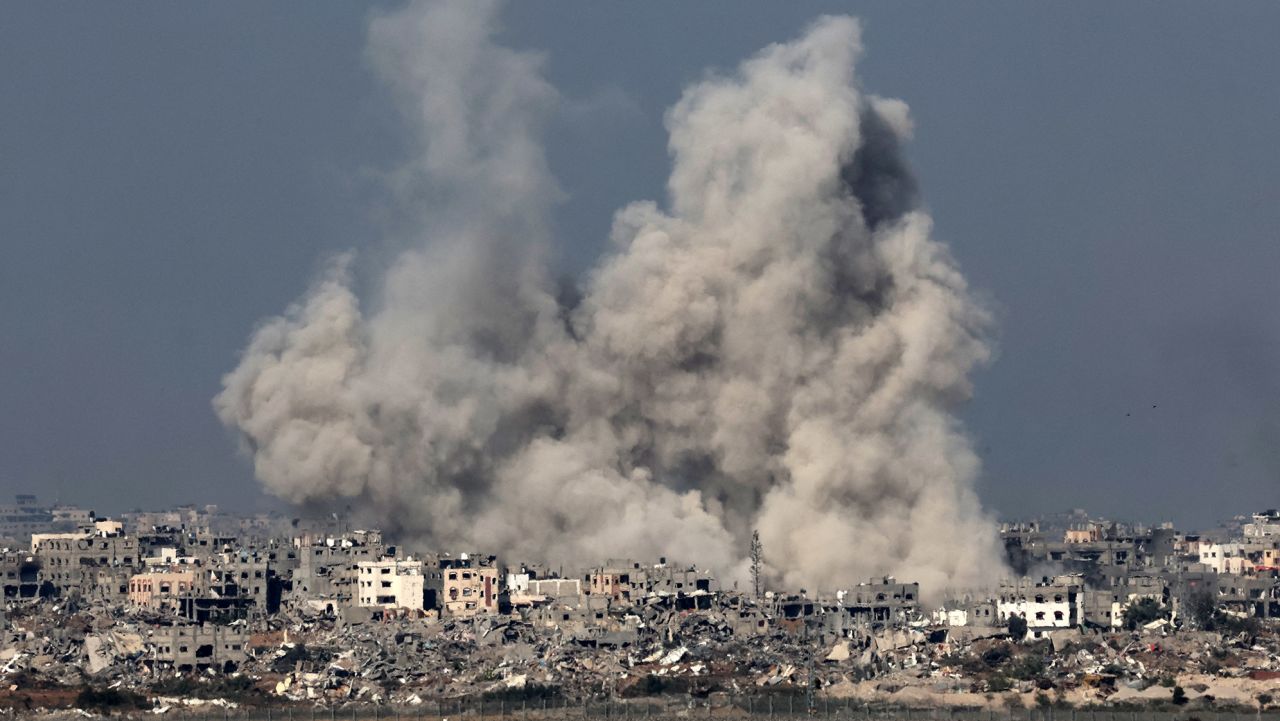
The expiry of the sixty-day interim framework between Washington and Tehran has transformed a localized military campaign into a structural crisis for global energy markets. With United States President Donald Trump declaring that all diplomatic channels are closed and no future discussions are scheduled, market participants must re-evaluate the risk architecture governing the Persian Gulf. The core mechanism driving modern geopolitical volatility is no longer ideological rhetoric, but rather the hard economic friction created by competing control assertions over the Strait of Hormuz.
Understanding this impasse requires moving beyond daily statements and examining the underlying variables: the maritime transit constraints, the friction points of compliance enforcement, and the macroeconomic cost function of prolonged energy isolation. In other updates, we also covered: Why Trump and Kim Jong Un Are Talking Again.
The Dual-Reality Framework of Maritime Control
A severe information asymmetry characterizes the current standoff. The United States administration asserts that the Strait of Hormuz is fully operational, citing cleared sea lanes and active naval patrols under an enforcement posture. Conversely, Iranian state leadership maintains that the critical chokepoint remains effectively closed, conditioning any resumption of commercial tanker traffic on the full fulfillment of prior interim commitments, including asset unfreezing, port blockade removals, and the permanent termination of offensive operations.
This contradiction creates a functional market paralysis. Insurance underwriters, shipowners, and logistics operators do not price risk based on executive declarations; they price risk based on probability distributions of kinetic asset loss. Preliminary maritime tracking data demonstrates that commercial vessel crossings remain heavily depressed, with single-digit daily transits indicating that operational reality favors the Iranian narrative of disruption. The Washington Post has provided coverage on this critical topic in great detail.
[Diplomatic Stalemate]
       │
       ▼
[Information Asymmetry: US "Open" vs Iran "Closed"]
       │
       ▼
[Marine Insurance Risk Spike / Vessel Deterrence]
       │
       ▼
[Logistical Bottleneck & Single-Digit Daily Transits]
       │
       ▼
[Upward Pressure on Global Energy & Borrowing Costs]
The Economic Cost Function of the Hormuz Chokepoint
Prior to the commencement of hostilities, approximately twenty percent of global petroleum and liquefied natural gas consumption transited the Strait of Hormuz. When this flow encounters structural friction, the global economy absorbs the shock through three distinct transmission mechanisms:
- Physical Supply Deficit: Even marginal reductions in daily throughput create immediate spot-market scarcity, as alternative overland pipelines possess insufficient excess capacity to absorb redirected maritime volume.
- Marine Insurance Premiums: War-risk insurance rates for Persian Gulf transits have scaled exponentially, adding millions of dollars per voyage and rendering economically unviable any shipping routes that lack guaranteed protection.
- Sovereign Fiscal Strain: As energy prices climb, major import-dependent economies experience renewed inflationary pressures, forcing central banks to maintain elevated borrowing costs that depress global equity valuations.
The expiration of the diplomatic timeline removes the dampening effect that anticipated negotiations previously provided. Without an active bargaining mechanism, market makers must price in a protracted war of attrition.
The Mechanics of Diplomatic Breakdown
Diplomacy fails when the marginal utility of continued negotiation falls below the domestic political cost of compromise. In the current architecture, both capitals face structural disincentives to initiate contact.
For Washington, the strategic objective relies on maximum pressure enforcement, utilizing naval blockades and economic sanctions to compel unconditional strategic concessions. Admitting a willingness to negotiate under current stalemate conditions risks signaling operational fatigue.
For Tehran, the calculus centers on asymmetrical leverage. Retaining control or disruption capability over the Strait of Hormuz serves as the sole tangible counterweight to Western military and financial dominance. Yielding this chokepoint without receiving guaranteed sanctions relief and asset repatriation would eliminate their primary bargaining asset.
Statements from special envoys highlighting robust backchannel communications often conflict with public executive posturing, creating erratic policy signals. This duality prevents long-term capital allocation planning within the energy sector, ensuring that volatility remains the baseline condition.
Strategic Execution for Market Participants
Navigating this environment requires discarding political noise and focusing entirely on physical indicators. Strategic planning for corporate supply chains and financial portfolios must account for sustained maritime risk in the Middle East.
Organizations exposed to energy inputs should immediately stress-test their operational models against extended Brent crude price elevation. Supply chain managers must diversify procurement geography away from Gulf-dependent refiners where feasible, hedging against structural logistics failures. Finally, portfolio risk managers ought to decouple defensive asset allocations from short-term diplomatic headlines, operating under the assumption that the structural closure of the Strait of Hormuz will persist until a formal, verifiable compliance mechanism replaces the current enforcement vacuum.