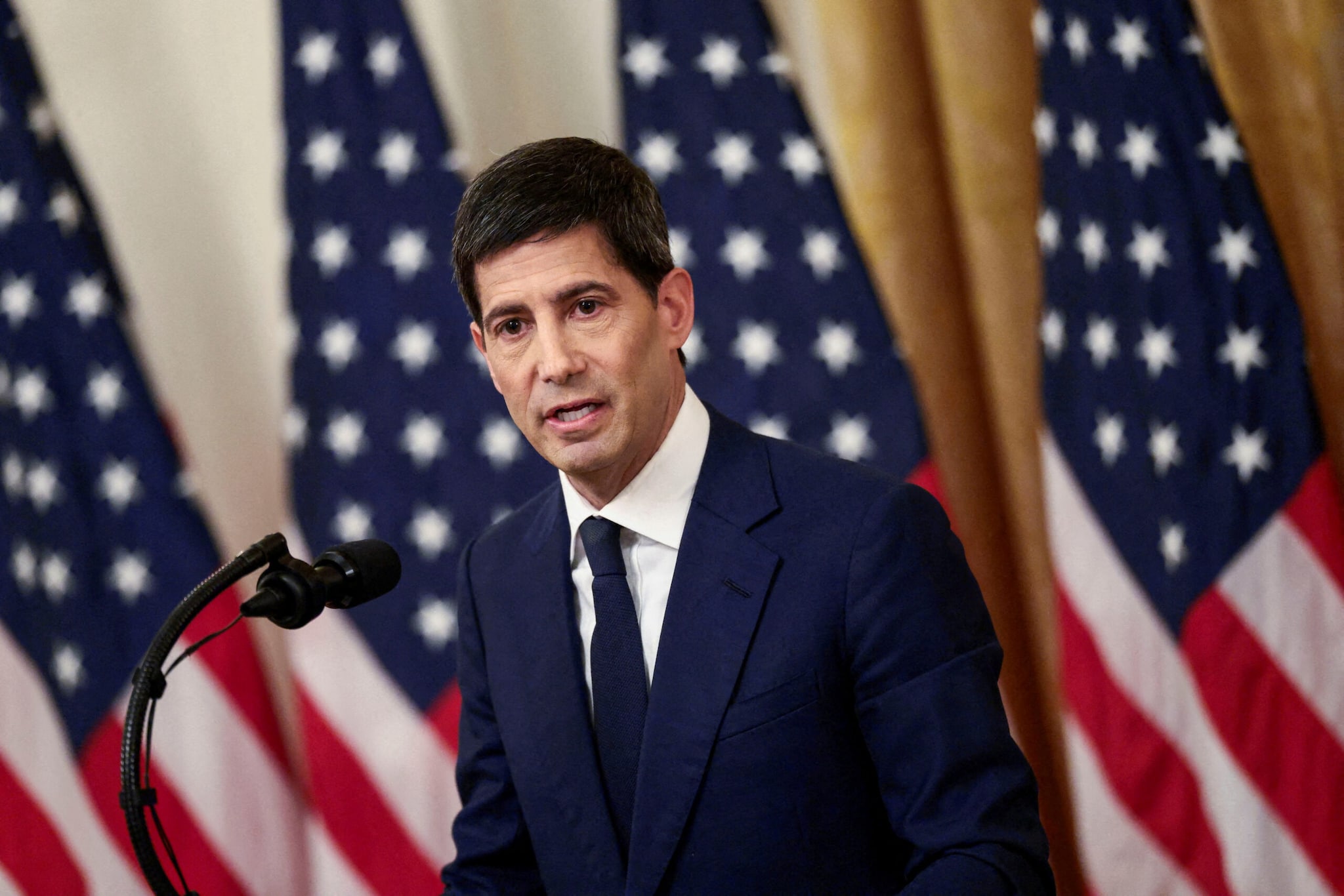
The newly executed Islamabad Memorandum of Understanding between the United States and Iran represents a tactical suspension of hostilities rather than a durable diplomatic architecture. While executive rhetoric frames the agreement as a definitive resolution to a 110-day regional conflict, an evaluation of the document's 14 points reveals a structural design intended to defer systemic frictions rather than eliminate them. By decoupling immediate economic relief from long-term nuclear compliance, the framework establishes a fragile transactional equilibrium dependent on highly volatile operational variables.
The core vulnerability of this arrangement lies in its asymmetric execution timeline. Iran receives an immediate Treasury waiver on crude oil exports and a halt to the maritime blockade, whereas the United States secures only a conditional 60-day negotiating window backed by the threat of resumed kinetic operations. This asymmetric structure fails to reconcile the divergent strategic objectives of Washington, Tehran, and regional third parties like Jerusalem, guaranteeing that the operational status quo in the Persian Gulf will remain highly militarized despite the formal cessation of active warfare. Meanwhile, you can explore related events here: The False Narrative of Russias Desperate Push Into Southeast Asia.
The Strategic Trilemma of the 60-Day Negotiation Window
The framework establishes a two-month operational sprint to negotiate a comprehensive treaty covering nuclear enrichment, ballistic missile inventories, and regional proxy architectures. Assessing this timeline through the lens of historical arms control verification reveals three structural constraints that make a definitive resolution within 60 days highly improbable.
1. The Verification Lag
Comprehensive nuclear decommissioning requires rigorous International Atomic Energy Agency (IAEA) verification protocols. The memorandum mandates the down-blending and destruction of Iran’s enriched uranium stockpiles under direct supervision. Historically, the technical execution of down-blending highly enriched uranium into low-enriched forms requires substantial industrial lead times. Converting material from centrifuges into stable forms and verifying the inputs and outputs cannot be executed within a 60-day window. This mismatch between political deadlines and technical verification cycles creates an immediate compliance bottleneck. To see the bigger picture, check out the detailed article by Bloomberg.
2. The Ballistic Missile Asymmetry
Executive statements indicating a willingness to tolerate Iranian ballistic missile ownership—provided the inventory remains proportional to regional peers like Saudi Arabia and Qatar—introduce an unquantifiable variable into the strategic equation. Defining "relative proportion" in a theater characterized by deep security dilemmas is inherently unstable. Missile defense capabilities, geographic proximity, and payload capacities alter the deterrence calculation. Attempting to codify a regional balance of power based on missile ratios within 48 to 72 hours of a ceasefire ignores the fundamental tenets of competitive armament.
3. The Enforcement Default
The explicit enforcement mechanism detailed by the executive branch is binary: a return to aerial bombardment if commitments are unfulfilled. This binary default reduces diplomatic flexibility. Because the framework lacks intermediate enforcement mechanisms or calibrated economic penalties, any minor technical non-compliance by Tehran forces Washington into a costly choice between total capitulation or immediate escalation back to open warfare.
Force Posture Mechanics and the Cost Function of Deterrence
The declaration that United States military assets will remain deployed in the Persian Gulf for an indefinite period underscores the reality that the memorandum does not substitute for physical deterrence. Maintaining a heightened force posture during a diplomatic negotiation reflects a calculated deployment strategy designed to mitigate verification risks.
The operational footprint required to police the Gulf and monitor compliance involves significant naval and aerial assets, including carrier strike groups, land-based tactical aviation, and subsurface surveillance platforms. The cost function of maintaining this footprint is driven by three main variables:
- Material Readiness Degradation: Prolonged deployment in high-tempo operational environments accelerates the maintenance cycles of naval vessels and aviation components, reducing long-term fleet availability.
- Opportunity Cost of Asset Allocation: Retaining major combatants in the Central Command area of responsibility prevents their redeployment to the Indo-Pacific theater, creating a strategic vulnerability in secondary theaters.
- Asymmetric Escalation Vulnerability: Static deployments in close proximity to Iranian littoral capabilities leave United States forces exposed to low-cost, deniable provocations by irregular actors, giving Tehran persistent leverage during the 60-day negotiation period.
The decision to sustain this posture indicates that the administration views the memorandum not as a self-enforcing treaty, but as a heavily armed truce. The military presence serves as an external validation mechanism to compensate for the absolute lack of strategic trust between the signatories.
The Hydrocarbon Bottleneck and Maritime Risk Pricing
While the announcement of the agreement caused an immediate drop in front-month Brent crude futures toward $82 per barrel, the physical realities of global energy logistics dictate a prolonged timeline for market normalization. The expectation of an immediate return to pre-crisis supply levels overlooks the operational damage inflicted during the 110-day conflict.
The process of restoring unhindered commercial transit through the Strait of Hormuz is constrained by a multi-stage operational sequence:
Mine Clearance and Hydrographic Verification
The memorandum allows up to seven weeks for the comprehensive removal of naval mines and unexploded ordnance from the shipping lanes. Commercial insurance syndicates will not underwrite standard hull and machinery policies for ultra-large crude carriers until hydrographic surveys confirm that the transit channels are entirely cleared of hazards. Consequently, physical volume flows will remain restricted long after the legal blockade is lifted.
Upstream Production Reactivation Lag
Major regional producers, including Iraq and Kuwait, were forced to shut in ageing production fields as storage facilities filled during the maritime blockade. Reactivating these fields is not a frictionless process. Reservoirs subjected to sudden shut-ins frequently experience pressure drops and mechanical degradation, requiring weeks of engineering interventions to restore baseline extraction rates. Independent energy analysts estimate that full pre-conflict traffic volume will not materialize until early 2027.
Global Inventory Depletion
The conflict forced OECD member nations to draw down their strategic oil inventories by 163 million barrels, pushing sovereign stockpiles to their lowest levels since 1990. The initial flow of crude from the reopened strait will primarily absorb this deficit as state actors rush to replenish their emergency reserves. This institutional buying pressure creates a floor for energy prices, preventing a sustained contraction in global inflation despite the nominal cessation of the naval blockade.
Regional Friction Points and Sanctions Architecture
The strategic viability of the memorandum is further challenged by the divergent priorities of regional actors who are not formal signatories but possess the capability to disrupt the equilibrium. The primary friction point is the decoupling of the US-Iran framework from the operational realities in Lebanon, Syria, and Gaza.
| Regional Actor | Formal Status in MOU | Operational Calculus | Disruption Capability |
|---|---|---|---|
| United States | Primary Signatory | Seeks immediate maritime stabilization and inflation reduction ahead of domestic political cycles. | High (Re-imposition of total blockade and kinetic strikes) |
| Iran | Primary Signatory | Seeks immediate cash flow via crude oil waivers while retaining core nuclear and missile competencies. | High (Asymmetric closure of chokepoints via proxies) |
| Israel | Non-Signatory | Prioritizes the absolute neutralization of northern border threats; rejects any agreement leaving Iranian missile capacity intact. | High (Unilateral kinetic actions inside Lebanon and Syria) |
| Hezbollah | Third-Party Beneficiary | Accepts the ceasefire conditionally but ties compliance to absolute Israeli withdrawal from southern positions. | Medium (Renewed rocket artillery campaigns) |
The exclusion of Israeli executive leadership from the final drafting of the text creates an immediate structural flaw. The memorandum establishes a comprehensive ceasefire across all fronts, including Lebanon, yet Israeli military operations continue to target positions in southern Lebanon. Tehran has already stated that continued operations against its regional proxies constitute a material breach of the Washington agreement. Because the United States cannot directly dictate the national security decisions of Jerusalem, the entire ceasefire architecture remains hostage to external escalatory triggers.
Furthermore, the legal architecture of the sanctions relief mechanism remains highly ambiguous. The administration has granted immediate Treasury waivers for oil exports, but has explicitly tied broader sanctions removal and the unfreezing of billions of dollars in foreign assets to verified performance metrics regarding Iran's nuclear program. This phased approach creates an immediate tactical contradiction. Tehran expects rapid economic liquidity to justify its concessions to domestic hardliners, while Washington requires long-term behavioral modifications before dismantling its economic leverage. The history of bilateral negotiations indicates that such phased frameworks inevitably break down at the intersection of verification and relief.
The Strategic Path Forward
The immediate requirement for market participants and security planners is to treat the 60-day window not as a path to a permanent treaty, but as a period of intense risk re-pricing. Organizations must hedge against a rapid return to kinetic operations by implementing a specific three-part operational strategy.
First, global supply chain managers must continue to price maritime transit through the Western Asia theater under emergency risk premiums. The seven-week mine clearance window means that freight rates will remain elevated through the third quarter of the year. Diversion routes around the Cape of Good Hope must be maintained as active contingencies rather than retired options.
Second, energy procurement strategies must account for the sovereign restocking cycle. The critical drawdown of OECD inventories ensures that any surge in supply will be structurally redirected to state reserves rather than commercial markets. Consequently, corporate buyers should lock in long-term supply contracts at current mid-range prices rather than waiting for a hypothetical collapse in oil prices that the structural deficit will prevent.
Finally, defense and intelligence analysts must monitor the unilateral actions of regional actors outside the direct US-Iran bilateral channel. The true test of the Islamabad Memorandum is not the behavior of the signatories in Geneva or Washington, but whether Israel and regional proxies find the terms tolerable to their core survival metrics. If unilateral strikes continue in Lebanon or Syria, the agreement will collapse well before the conclusion of the 60-day timeline, necessitating an immediate pivot back to a high-intensity conflict posture in the Gulf.