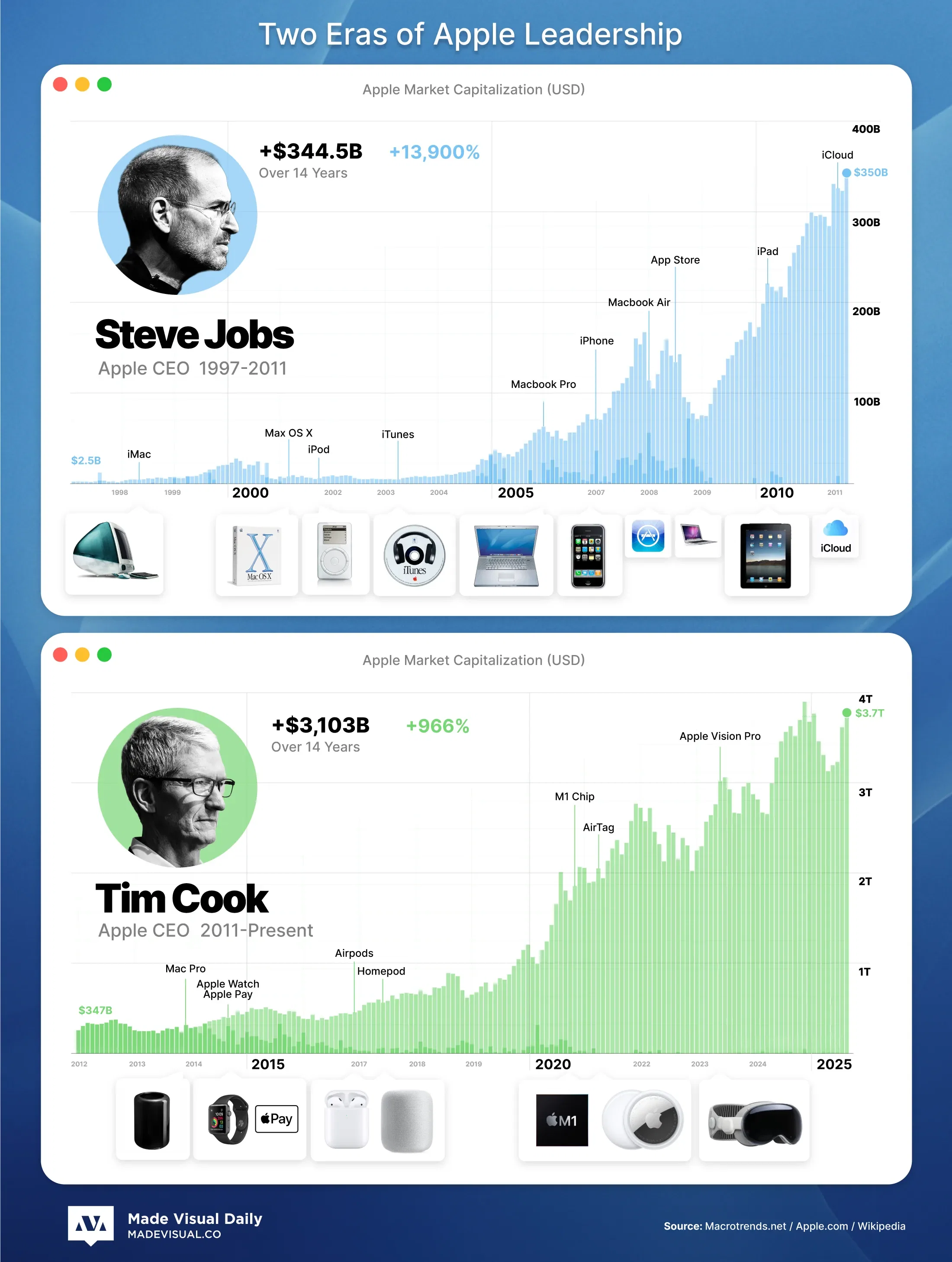
Tim Cook is finally stepping aside. After fifteen years of turning Apple into a three-trillion-dollar juggernaut, he's handing the keys to John Ternus on September 1, 2026. This isn't just a routine corporate promotion. It’s a survival move. While most of the tech world is staring at Ternus, the real story is unfolding in the shadows of a geopolitical brawl. Just as Apple tries to steady its ship, Beijing has thrown a massive wrench into the global AI market by blocking Meta’s acquisition of Manus.
If you think these two events are unrelated, you're missing the bigger picture. We’re witnessing the end of the "Global Tech" era and the birth of something much more fragmented and dangerous. For a more detailed analysis into similar topics, we suggest: this related article.
The Engineer Taking the Throne
John Ternus isn't the flashy, media-friendly CEO the public might expect. He’s the hardware guy. He’s the one who oversaw the transition to Apple Silicon and made the Mac actually good again. But taking over from Cook in 2026 is a different beast entirely. Cook was the supply chain king; he built the machine. Ternus has to figure out how to make the machine think.
Apple has been slow on the draw with AI. While Google and Microsoft were shipping agentic AI, Apple was still trying to explain why Siri couldn't set two timers at once. Ternus is an engineer's engineer, which is exactly what Apple needs if it wants to integrate AI into its hardware at a fundamental level. But he’s inheriting a supply chain that’s caught in the crosshairs of a trade war that just got a lot colder. For additional context on this development, comprehensive analysis can also be found at MarketWatch.
The Problem with the Cook Legacy
Cook’s biggest win was also his biggest vulnerability: China. He bet the house on Chinese manufacturing. Now, Ternus has to manage a messy divorce. With the current administration’s tariffs and China’s increasing hostility toward foreign tech, the "Designed in California, Assembled in China" era is dying a painful death. Ternus doesn't just need to design a better iPhone; he needs to find a way to build it without Beijing's permission.
China’s Chilling Message on Manus
While Apple reshuffles its board, Beijing just sent a shockwave through the AI industry. Meta—formerly Facebook—tried to buy a startup called Manus for $2 billion. Manus isn't a household name, but it’s a powerhouse in agentic AI. These are tools that don't just chat with you; they actually do things, like writing code or managing research autonomously.
The twist? Manus was founded in China but moved to Singapore to escape the heat. It didn't work.
China’s National Development and Reform Commission (NDRC) stepped in and ordered the deal to be unwound. This is unprecedented. Beijing is claiming jurisdiction over a company that isn't even based in China anymore. The message is clear: if you started here, we own your tech. Forever.
Why the Manus Block Matters for Apple
This "Singapore Washing"—where Chinese startups try to rebrand as international entities—is officially dead. For Ternus and Apple, this is a nightmare scenario. Apple relies on a massive network of Chinese developers and startups for its ecosystem. If Beijing can kill a $2 billion Meta deal on a whim, no tech transfer is safe.
Manus represents the "Holy Grail" of AI—software that can act independently. By blocking the sale, China is effectively hoarding the best AI agents for itself. Meta is left with a $2 billion hole in its strategy, and Apple is left wondering if it can ever truly partner with any firm that has Chinese roots.
The AI Agent Arms Race
The Manus block isn't about competition; it's about control. Beijing knows that whoever controls the agents controls the future of productivity. If Meta can't have Manus, they have to build from scratch. That puts them years behind.
Apple is in the same boat. They need agentic AI to make "Apple Intelligence" anything more than a marketing slogan. But the talent and the tech are being siloed. We’re moving toward a world where you have "Western AI" and "Eastern AI," and they won't talk to each other.
- The supply chain crunch: It’s not just about chips anymore. It’s about the data and the models.
- The Singapore trap: Moving your headquarters doesn't mean you've escaped the CCP's reach.
- The Ternus challenge: Can a hardware guy navigate a world where software is a weapon of state?
What Happens Next
If you're an investor or a tech enthusiast, stop looking at the stock price and start looking at the maps. The tension isn't just about iPhones; it's about the very architecture of the next decade's technology.
- Watch the Apple Transition: Ternus will likely lean into "On-Device AI" even harder. It’s the only way to stay private and avoid the cross-border mess Beijing is creating.
- Diversify Your Tech Stack: If you're relying on tools that have deep ties to Chinese research, have a backup plan. The Manus situation shows that those tools can be "called home" at any time.
- Monitor the Trump-Xi Summit: There’s a high-profile meeting coming up. If tech transfers aren't on the table, expect more blocked deals and higher prices for anything with a battery.
Apple isn't just changing CEOs; it's changing its identity. Ternus has the technical chops, but he’s walking into a geopolitical minefield where the rules are written in Beijing. The Manus block proved that the old ways of doing business are over. It's time to adapt or get left behind.
What is John Ternus's vision for Apple?
This video breaks down the sudden regulatory block of the Manus deal and what it signifies for the future of AI acquisitions and global tech leadership.