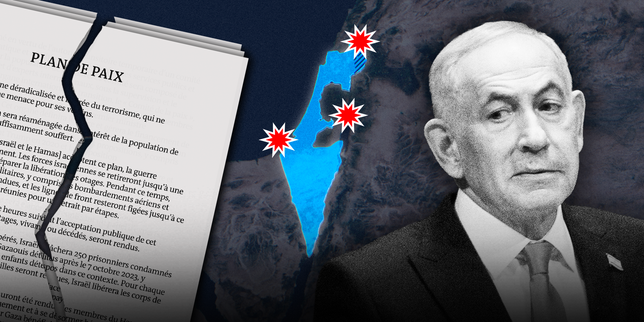
Diplomatic frameworks collapse not from a lack of signatories, but from a fundamental misalignment between structural incentives and operational execution. When analyzing why strategic accords stall—such as the complexities surrounding regional stabilization plans in the Gaza Strip—observers frequently mistake rhetorical friction for the primary driver of failure. In practice, deadlocks are maintained by rational calculations of political survival, divergent definitions of territorial security, and the friction inherent in multi-tiered administrative handoffs.
The friction points of implementation can be broken down into three systemic vectors: structural security asymmetries, governance transition bottlenecks, and domestic political cost functions. For a deeper dive into this area, we recommend: this related article.
The Security Dilemma and Territorial Asymmetry
The primary structural flaw in multi-phase stabilization architectures lies in the temporal gap between military withdrawal and the establishment of an alternate security monopoly. When an intervening military force establishes operational zones, the demarcation lines—frequently characterized in strategic reporting as rigid demarcation boundaries—transform from temporary tactical stops into permanent administrative friction points.
- The Sovereignty Vacuum: A phased withdrawal requires the concurrent introduction of an indigenous or multinational stabilization force capable of neutralizing non-state actors without triggering local resistance. When host governments perceive that the proposed security apparatus lacks the mandate or capability to dismantle entrenched militant infrastructure, military planners default to maintaining tactical perimeters.
- Intelligence and Verification Deficits: Mutual compliance relies on verifiable verification mechanisms. When identification and repatriation metrics—such as the accounting of remains, hostages, or detained personnel—stall, trust equations degrade rapidly. Each unverified transfer functions as a negative feedback loop, providing domestic actors with the justification to freeze subsequent concessions.
The Administrative Cost of Technocratic Governance
Transitioning from military administration to civilian technocratic oversight introduces severe bureaucratic friction. International frameworks routinely rely on external committees or regional councils to manage civil infrastructure, bypassing traditional political leadership. This creates an immediate institutional contest over legitimacy. For additional context on this issue, comprehensive analysis is available on NBC News.
- Jurisdictional Overlap: External administrative bodies attempting to operate without local enforcement mechanisms face immediate paralysis. If regional partners selected for administrative boards are politically unpalatable to the occupying or governing authority, vetting disputes freeze the formation of transitional cabinets.
- Resource Flow Constraints: Humanitarian and reconstruction metrics depend on predictable logistical corridors. When throughput falls significantly below agreed monthly tonnage thresholds—such as mandated truck entries for basic supplies—the civilian infrastructure deteriorates further, exacerbating radicalization and hardening negotiating stances.
Domestic Political Survival Ratios
International mediators consistently underestimate the domestic political cost function of ruling coalitions. For political executives operating within parliamentary or highly polarized systems, adherence to external peace roadmaps often presents an existential threat to government continuity.
- The Coalition Veto: Leaders dependent on nationalist or hardline factions face an asymmetric penalty for compromise. While international actors measure success by long-term regional stability, domestic coalition partners measure success by territorial retention and the avoidance of perceived concessions. Consequently, executing phase-two requirements—such as accepting international policing frameworks or relinquishing administrative control—triggers immediate coalition destabilization.
- Divergent Strategic Objectives: External architects seek rapid conflict termination to claim diplomatic capital, whereas local actors operate on zero-sum survival logics. When a peace blueprint attempts to reconcile these mismatched timelines, implementation devolves into selective compliance, where parties execute only the provisions that secure immediate tactical relief while blocking structural transitions.
To alter this trajectory, diplomatic pressure must shift from broad framework renegotiation to altering the domestic cost of non-compliance. Until the political penalty for stalling administrative transitions outweighs the domestic risk of executing them, multi-phase accords will remain theoretical blueprints frozen at the intersection of security paranoia and political expediency.
This video provides a direct visual and journalistic breakdown of the structural obstacles preventing the full implementation of the peace framework referenced in the analysis.


