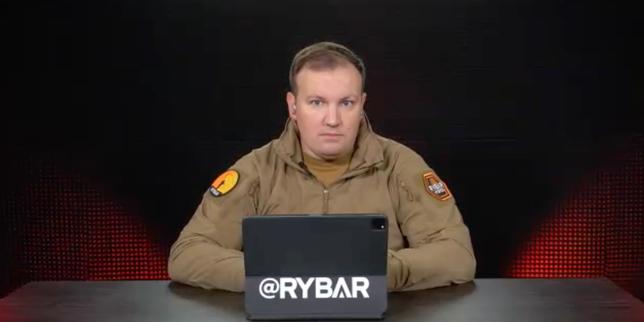
Information is ammunition. For years, the Rybar Telegram channel operated as a sophisticated engine for Kremlin messaging, shaping how millions viewed the war in Ukraine. Then Montenegro authorities detained its founder, Mikhail Zvinchuk, sending shockwaves through the shadowy ecosystem of digital propaganda. This arrest isn't just a routine border stop. It marks a sharp shift in how European nations track and intercept the architects of modern cognitive warfare.
If you've paid attention to the digital footprints of modern conflicts, you know Rybar wasn't just another random social media account. It functioned with the precision of a corporate newsroom, churning out maps, tactical updates, and aggressive narratives wrapped in a veneer of military expertise. Catching its founder outside the safe borders of friendly jurisdictions exposes the very real physical vulnerabilities hidden behind anonymous profile pictures and encrypted chat apps.
Let's look at how we got here, why this arrest matters so much right now, and what it signals for the future of digital information control.
The Anatomy of a Propaganda Machine
Rybar didn't start as a massive media empire. It began as a small project that gradually scaled into a million-subscriber powerhouse by exploiting a massive gap in how traditional media covered the front lines. Mainstream outlets moved too slowly. Official military briefings sounded sterile and untrustworthy. Rybar stepped into that vacuum with rapid updates, detailed terrain maps, and a tone of gritty authenticity.
People craved details. Rybar gave them details, but spiked every tactical breakdown with specific geopolitical messaging designed to wear down morale and justify military aggression.
You had military enthusiasts sharing these maps without realizing they were consuming heavily filtered state narratives. That is the genius of modern influence operations. They hide inside utility. By providing genuinely fast tactical tracking, the channel built enough trust to slip ideological talking points past the defenses of ordinary readers.
How Montenegro Became the Trap
Mikhail Zvinchuk probably thought he was safe traveling through the Balkans. Montenegro sits in a complex geopolitical space—balancing historical ties to Russia with its active EU candidate status and NATO membership. That delicate balancing act creates sharp legal turns. When international intelligence sharing intersects with local law enforcement, high-profile targets lose their margin for error very quickly.
European agencies have spent years mapping the financial and logistical pipelines supporting digital proxy networks. These channels rely on crypto wallets, shell companies, and cross-border travel. Slip up once on your itinerary, and a routine passport scan at a border checkpoint turns into a multi-agency detention.
Intelligence units don't just want to take down a channel. They want the phones, the laptops, the contact lists, and the financial ledgers. Seizing the physical hardware of someone running a major propaganda network yields terabytes of operational metadata. Who funds these operations? Who feeds them classified battlefield movements? That hardware holds the answers.
The Myth of Digital Anonymity
Too many digital operators believe they are untouchable behind screens and pseudonyms. They think operating a Telegram channel from a comfortable distance keeps them immune to physical reality. Rybar's founder just learned the hard way that cyberspace is anchored to the physical world.
You can use virtual private networks, encrypted messengers, and burner phones until you are blue in the face. Eventually, you have to buy a plane ticket, book a hotel, or cross a physical border.
Governments are getting much better at tracking these movements. Western security services spent the last few years building specialized cyber-influence tracking units. They track financial anomalies, digital signatures, and travel patterns with brutal efficiency. Once you become a high-priority target on a sanctions list or an Interpol notice, your world shrinks rapidly.
What Happens to the Channel Now
Can a decentralized channel survive the arrest of its mastermind? Usually, these networks are built with redundancy in mind. Deputy administrators, anonymous editors, and automated posting scripts keep the content flowing even if the figurehead goes dark.
Yet, losing the primary coordinator hurts. Internal power struggles often break out over who controls the brand, the ad revenue, and the secure communication channels with sources. Trust among the inner circle cracks when someone gets caught. Editors start looking over their shoulders, wondering if their own devices are compromised.
Expect the output to become erratic or more defensive as the team scrambles to reorganize. The voice might stay the same, but the operational security mistakes that led to this arrest will likely force them to change how they communicate.
The Broader Crackdown on Information Proxies
This incident signals a broader pivot in how democracies handle digital warfare. For a long time, Western nations treated social media propaganda as a free speech problem or a minor nuisance best handled by content moderation teams at tech companies. That era is over.
When a channel actively coordinates with state intelligence to direct cognitive attacks, governments treat it as an arm of the military apparatus. Arresting key operators abroad shows a willingness to use international police cooperation to disrupt hostile networks at the source.
Expect more detentions of digital influencers, proxy journalists, and network administrators who cross the line from commentary to active state-backed subversion. The sanctuary of friendly borders is shrinking. If you build your career on amplifying aggression for foreign regimes, your travel itinerary just became your biggest liability.
Keep an eye on how other countries respond. This isn't just about one channel or one man. It sets a legal and operational precedent for treating digital influencers as combatants in a global information war. The rules of the digital playground just got rewritten.



