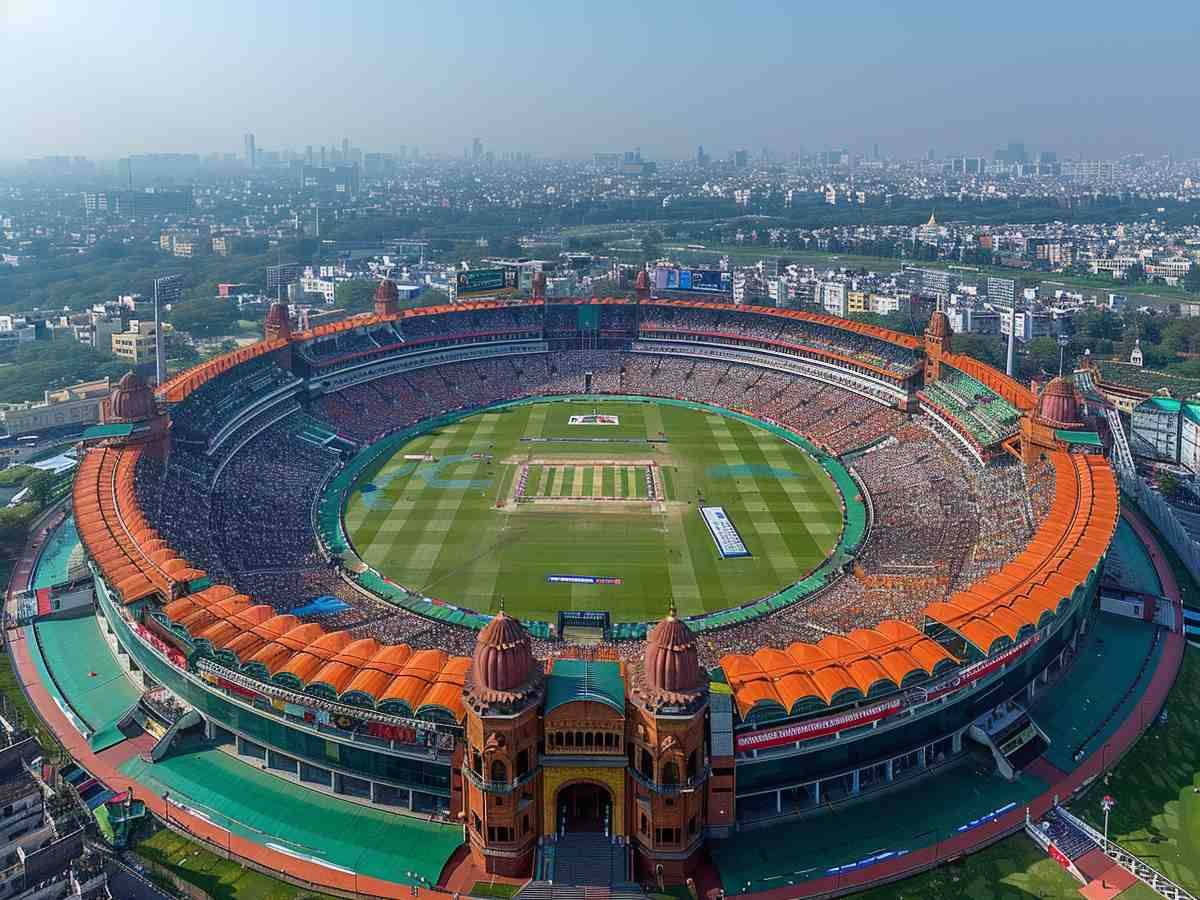
The air in Manchester always tastes like ancient rain and old iron. Standing at the boundary rope, watching the groundstaff drag the heavy covers across a surface that has already surrendered its soul, you can feel the unique weight of a Test match slipping away. Cricket is a strange sport. It is a game obsessed with numbers—averages, strike rates, sessions, sessions lost, sessions won—yet it is entirely governed by ghosts.
England and Pakistan met on a pitch that offered nothing to the fast bowler, very little to the spinner, and everything to the patient batsman willing to treat five days like a slow pilgrimage.
Consider the fan sitting in the Eric Hollies Stand. They have paid for a ticket, packed a ham sandwich in tin foil, and prayed to the English gods for unbroken sunshine. Instead, they get gray skies and a dead track. Why do we keep doing this? Because Test cricket is not content with immediate gratification. It demands endurance. It asks you to sit through hours of attritional blocking just for a single, incandescent moment when a ball seams off a length and clips the top of off stump.
During the second Test of that hard-fought series, the talking points were not merely technical. They were existential.
First, look at the selection dilemmas that keep coaches awake at two in the morning. When a team chooses its attack, it is casting a fortune-telling bone. Do you pick the raw pace of a bowler who might break the game open in three hostile spells, or do you opt for the metronomic accuracy of a workhorse who will tie an end down for forty overs while the shine wears off the Kookaburra? In modern cricket, analytics tell us one thing, but the gut feeling of a captain standing in the slips tells him another. We saw an England side wrestling with that exact fracture line. They wanted aggression, but the pitch demanded caution.
Then, examine the silent theater of Pakistan’s middle order. It is easy from a cushioned armchair to criticize a batsman who pokes tentatively at a delivery outside off stump and edges behind. But step out onto that grass for a moment. Imagine forty thousand people screaming, their collective breath hanging in the humid air like a physical barrier. Imagine knowing that a single misjudgment will be replayed on a thousand screens before you even reach the pavilion. The pressure is not professional; it is archaeological. It layers on top of you until your bat feels like a lead pipe and your feet refuse to move.
The turning point of the series did not arrive with a thunderclap. It arrived through small, cumulative acts of resistance. A dropped catch here. A missed run-out there. These are the hinges upon which historic matches swing.
We often talk about series like this as if they exist in a vacuum, neatly cataloged in Wisden and forgotten by next Tuesday. But they linger in the bones of the players. A batsman who fails twice on a lifeless pitch carries that quiet panic back to his hotel room, staring at the ceiling and wondering if his reflexes are finally beginning to desert him. A bowler who beats the edge six times in an over without a wicket to show for it learns the bitter, grinding irony of the sport.
That is the hidden cost of the red-ball game. It exposes your vulnerabilities in excruciating slow motion. You cannot hide behind a twenty-second highlight reel or a tactical substitution. You are out there in the white flannel, entirely exposed to the elements, your teammates, and your own internal monologue.
When the final stumps were pulled and the handshakes were exchanged, the scoreboard told only a fraction of the story. It recorded runs and wickets, margins of victory and heroic defiance. But it missed the smell of damp grass at dusk. It missed the tired silence of the dressing room where victory and defeat feel remarkably similar—just heavy limbs, ice packs, and the profound, strange relief of being finished.
The series moved on, as all series must, chasing the next horizon and the next inevitable heartbreak. But out there under the pale floodlights, long after the crowds had emptied into the Manchester night, the pitch remained. Waiting.