The floor of a modern automotive plant is a temple of synchronized motion. Yellow robotic arms dance in a blur of sparks, dipping and bowing with a precision that feels almost sentient. To a visitor, it is the pinnacle of American industrial might. But to the generals sitting in windowless rooms at the Pentagon, these gleaming factories look like something else entirely. They look like a desperate, untapped lifeline.
For decades, we operated under a comfortable delusion. We believed that the "Arsenal of Democracy" was a permanent fixture of our geography, a dormant giant that could be nudged awake with a phone call. We assumed that if the world caught fire, we could simply turn a dial and watch the missiles pour off the line like mid-sized sedans.
The reality is much colder. Our stockpiles are not bottomless wells; they are shallow ponds. And right now, those ponds are drying up.
The Ghost of 1941
Walk through a Ford or GM plant today and you will see the DNA of a different era. During the Second World War, Chrysler didn’t just make cars; they made tanks. Cadillac made engines for the M5. The transition was violent, chaotic, and ultimately, the reason the war was won. But that was a world of gears and grease. A world where a worker could be retrained to bolt a turret onto a chassis in a matter of weeks.
Today, a Javelin missile is closer to a flying supercomputer than a piece of heavy machinery. You cannot simply swap a bumper for a rocket motor. The Pentagon’s recent, quiet overtures to Detroit aren't just a request for more "stuff." They are a frantic attempt to solve a structural crisis that has been brewing since the end of the Cold War.
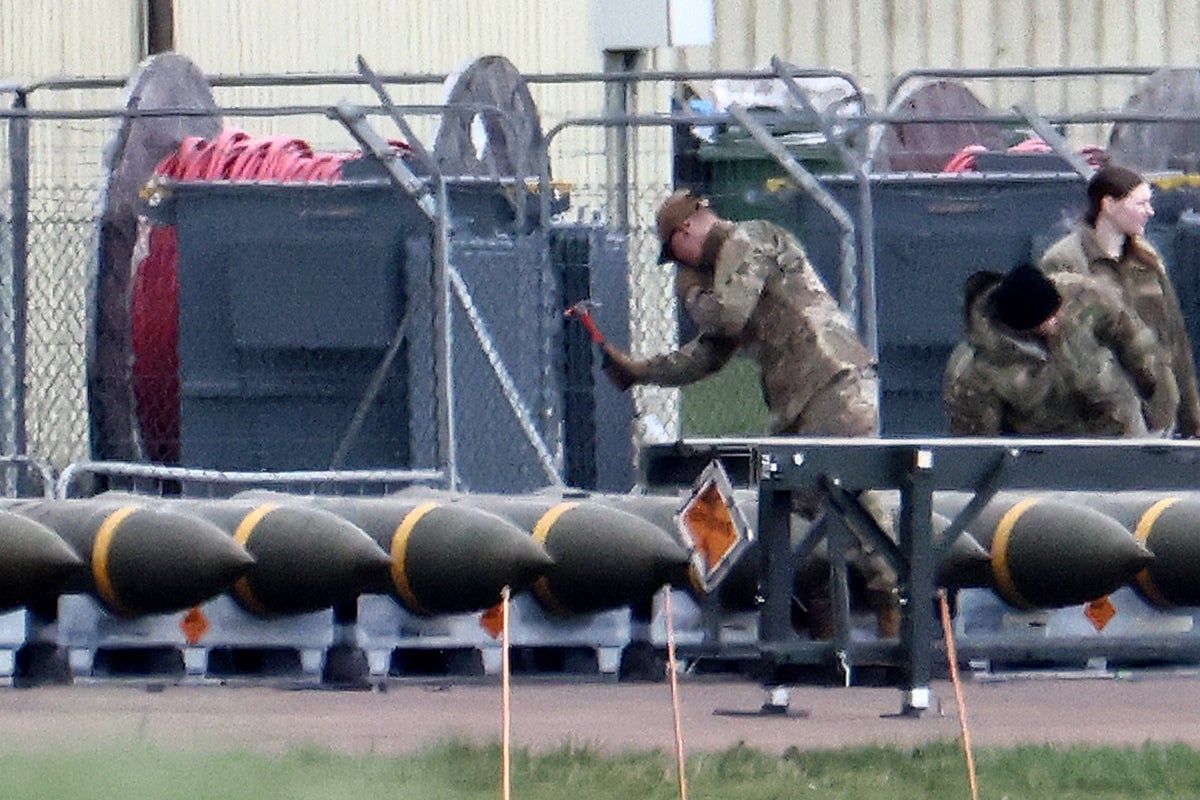
Consider the math of a modern conflict. In a single week of high-intensity fighting, a military can burn through more precision-guided munitions than a factory can produce in a year. We are using twenty-first-century weapons at a nineteenth-century burn rate, supported by a twentieth-century supply chain.
The Fragility of the "Just in Time" Dream
The business world fell in love with efficiency. We obsessed over "lean" manufacturing and "just-in-time" delivery. Why store a thousand bolts in a warehouse when you can have five hundred delivered exactly when you need them? It saved billions. It made the stock market purr.
It also left us utterly vulnerable.
When the Pentagon knocks on the door of an automaker, they are looking for "surge capacity." They are looking for the ability to go from zero to sixty in a geopolitical heartbeat. But our current industrial base is built for stability, not volatility.
Think of a specialized defense contractor like a bespoke tailor. They make incredible, hand-stitched suits, but they can only make ten a month. The automakers are the massive garment factories. They have the scale, the logistics, and the raw manpower. The problem is that the "suits" the military needs now require microchips that are backordered for eighteen months and rare-earth minerals mined in the very countries we might end up fighting.
The Invisible Stakes of a Cold Floor
There is a human cost to this lack of preparedness that rarely makes it into the headlines. It’s felt by the logistics officer in a shipping container in Poland, staring at a spreadsheet and realizing the numbers don’t add up. It’s felt by the assembly line worker in Michigan who wonders if their job—currently tied to the transition to electric vehicles—might suddenly shift to making components for long-range artillery.
The Pentagon's strategy involves more than just buying finished products. They want to integrate. They want to see if an automotive paint shop can handle the specialized coatings needed for stealth technology. They want to know if a company that builds sensors for self-driving cars can pivot to building seekers for interceptor missiles.
This isn't a simple business transaction. It is a fundamental renegotiation of the American social contract. For thirty years, we told ourselves we were a "service economy." We offshored the dirty work of bending metal and melting ore. Now, we are realizing that you cannot defend a border with an app or a PowerPoint deck. You need factories. You need the heat of the forge.
The Bridge Between Two Worlds
Wait.
Before we can even talk about making weapons, we have to talk about the people who know how to build anything. The true crisis isn't a lack of steel; it's a lack of hands. We have spent an entire generation telling our brightest minds that success is found in front of a screen, not on a shop floor.
The automotive industry remains one of the few places where high-tech manufacturing still happens at scale on American soil. It is a repository of institutional knowledge. If the Pentagon can’t find a way to tap into that, the alternative is a slow, grinding decline in our ability to influence global events.
This isn't a hypothetical problem for the "next" generation. The depletion of stocks in recent conflicts has shown that we are living on borrowed time. We are currently watching the limits of our industrial might play out in real-time on foreign battlefields. Every missile sent abroad is a piece of a puzzle we don't yet know how to replace.
The Friction of the Pivot
Why is it so hard to just start building?
Regulation.
The Department of Defense is notorious for a procurement process that is slower than a glacier. A car company can design, test, and release a new model in a few years. The military takes a decade to decide on a new bolt. This culture clash is the silent killer of innovation. For an automaker to help, the Pentagon has to stop acting like a rigid bureaucracy and start acting like a venture capitalist.
They have to accept "good enough" over "perfect." They have to be willing to fail fast. Most importantly, they have to convince a workforce that spent decades building the family car that their new mission is something much darker, and much more urgent.
There is a haunting quiet that falls over a factory during a shift change. In those few minutes, when the machines are still and the air is heavy with the smell of coolant and burnt ozone, you can feel the weight of what these buildings represent. They are the physical manifestation of a nation's will.
We are entering an era where the line between "civilian" and "military" industry is beginning to dissolve. It is a return to an older, more dangerous way of existing in the world. The Pentagon isn't approaching Detroit because they want to; they are doing it because they have no other choice.
The sparks will keep flying on the assembly line. The robotic arms will continue their dance. But the code running those machines is changing. The stakes are no longer just about quarterly earnings or market share. They are about the cold, hard reality of survival in a world that has forgotten how to be peaceful.
We are relearning how to build. We are remembering that power isn't just an idea. It is something you forge, piece by piece, until the pond is full again.
The ghost of 1941 is waking up, and it’s wearing a hard hat.