Long-range kinetic strikes against deep-rear economic nodes have transformed the vector of modern interstate conflict, shifting operational focus from frontline attrition to structural asset destruction. When Russian leadership publicly asserted that recent Ukrainian drone campaigns directed at domestic oil refineries, logistics hubs, and commercial distribution centers had opened a destructive jurisdictional precedent, the strategic discourse moved past tactical military assessments. The core dynamic is no longer defined strictly by territorial exchange ratios, but by the systemic vulnerability of centralized economic infrastructure under sustained asymmetric pressure.
To evaluate this evolution, the mechanics of cross-border infrastructure targeting must be deconstructed through three distinct operational pillars: resource denial, logistical friction, and political signaling.
The Mechanics of Infrastructure Interdiction
The strategic rationale driving long-range drone incursions into industrial zones relies on compounding friction within an adversary's domestic supply chain. Traditional military theory evaluates interdiction through the lens of frontline supply lines. However, contemporary campaigns extend the battle-space into commercial distribution networks, as evidenced by recent strikes on major e-commerce nodes and regional industrial assets inside Russian territory.
When distribution hubs operated by large online retailers or primary energy processing facilities absorb kinetic impacts, the disruption cascades across multiple commercial sectors. The cost function governing these attacks favors the asymmetric actor: low-cost uncrewed aerial systems force the defender to expend high-value interceptor missiles or accept localized structural damage.
- Asset Centralization Risk: Highly consolidated domestic supply chains create single points of failure that amplify the destructive radius of individual drone strikes.
- Capital Replacement Friction: Sanctions regimes restrict access to specialized industrial machinery, turning localized physical repairs into long-term operational bottlenecks.
- Monetary Policy Transmission: Constant fiscal strain forces central banking authorities to maintain restrictive interest rates to combat localized inflationary pressures stemming from supply contractions.
These variables interact to create a persistent drag on macroeconomic output. While state-level official reporting often minimizes immediate macro vulnerabilities by citing nominal gross domestic product stabilization, sector-specific contractions in retail logistics and secondary refining reveal acute structural vulnerabilities.
The Retaliatory Spiral and Sectoral Vulnerabilities
The declaration that reciprocal measures will target the adversary's most sensitive economic sectors signals an escalation past military installations toward foundational civil-economic capacity. Ukraine remains acutely vulnerable in specific economic domains, most notably agricultural export corridors and external logistics arteries.
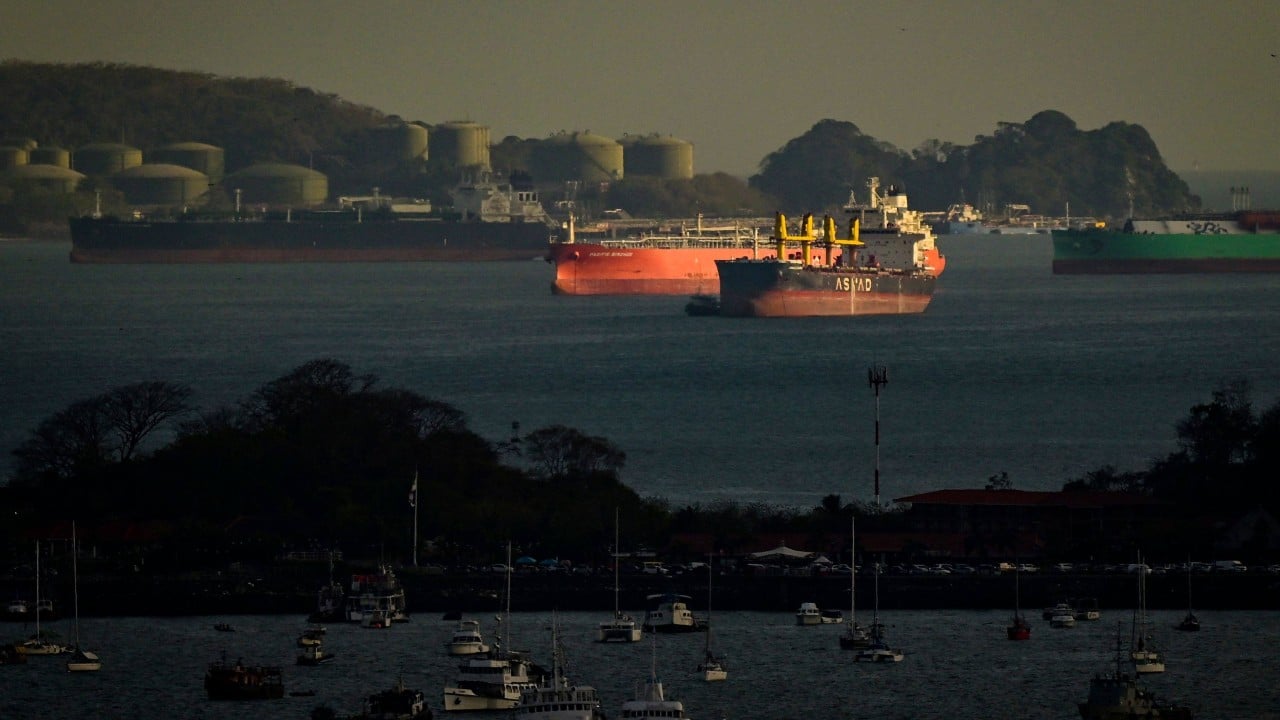
Grain export infrastructure operating via Black Sea ports represents a critical liquidity generator for the state budget. When retaliatory missile and drone campaigns intercept these agricultural processing and transport terminals, the national balance of payments absorbs immediate damage. The mechanism is direct: capital inflows decelerate, domestic agricultural producers face storage saturation, and foreign exchange reserves experience downward pressure.
Official assertions from Moscow suggesting that domestic agricultural output can effortlessly replace lost regional grain supplies on international markets overlook the logistical complexity of rerouting established trade routes under blockade conditions. Global grain markets do not merely operate on aggregate volume; they rely on predictable shipping lanes, marine insurance availability, and port throughput capacity. Introducing retaliatory kinetic risks into these corridors increases transaction costs for all participating nations, driving up insurance premiums and tightening global supply balances irrespective of total harvest yields.
Strategic Calculations in a War of Attrition
The transition toward mutual infrastructure degradation reframes the conflict as a test of societal endurance and industrial resilience. The strategic calculus rests on divergent theories of victory.
The first theory posits that persistent degradation of internal energy and retail distribution networks will erode domestic political tolerance, compelling a reassessment of war aims. Under this model, the cumulative cost of localized fuel shortages, damaged warehouses, and inflationary spikes functions as a substitute for direct military defeat.
The second theory assumes that centralized state apparatuses can absorb structural damage, reroute supply chains through administrative fiat, and offset losses through alternative trade partnerships before societal friction reaches a systemic tipping point. This perspective treats infrastructure damage as a manageable operational overhead rather than a strategic constraint.
Neither theory offers a risk-free trajectory. The empirical reality demonstrates that while modern industrial economies possess deep redundancies, high-intensity drone campaigns impose a permanent tax on efficiency. Capital that must be perpetually reallocated toward physical defense, reconstruction, and logistics redundancy is capital stripped away from productive long-term investment.
Strategic Execution Blueprint
To navigate the macro-level exposure generated by mutual infrastructure targeting, state and commercial entities operating within contested zones must implement structured operational adjustments:
- Audit critical supply chain nodes to identify single points of failure exposed to long-range kinetic interdiction.
- Decentralize inventory storage across geographically fragmented regional hubs to mitigate the impact of single-facility losses.
- Incorporate kinetic risk premiums directly into long-term capital allocation models and balance sheet stress tests.
- Establish redundant transport corridors insulated from primary maritime and rail choke points to maintain basic export liquidity.