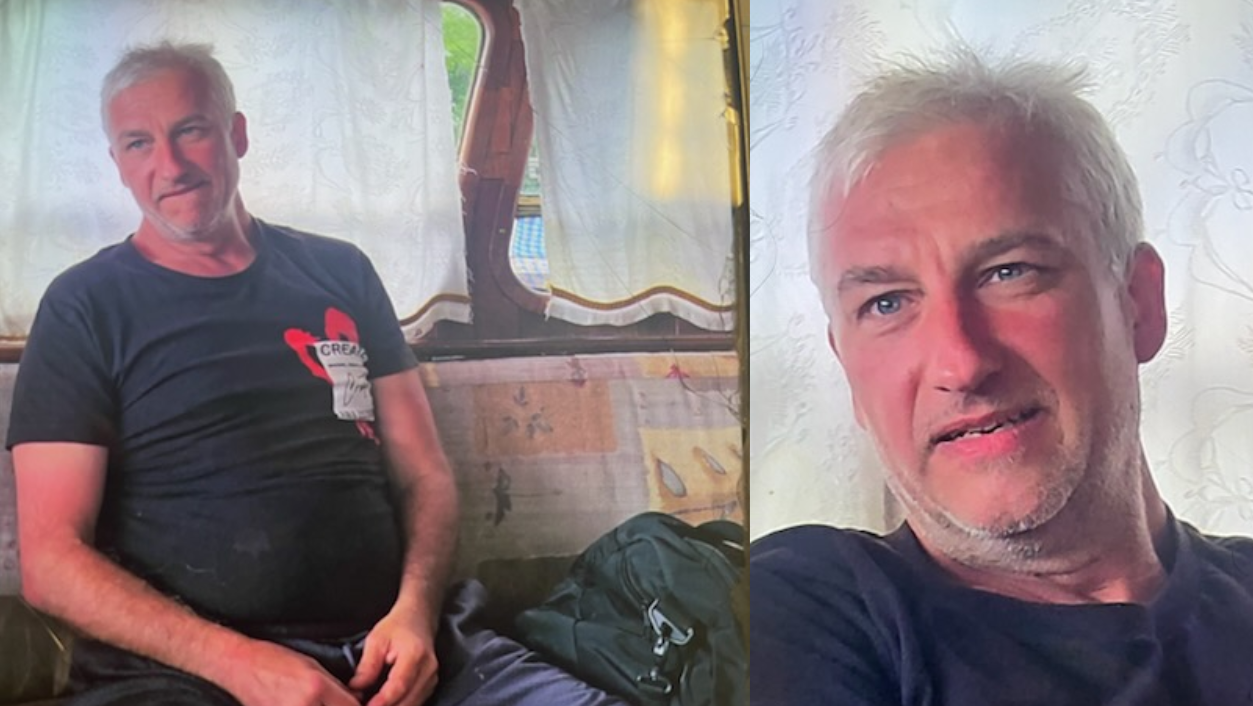
The hunt for justice after the 2024 Bangladesh mass uprising just took a major legal turn. A special tribunal in Dhaka handed down the death sentence to three former police officers. It’s a massive moment for a country still reeling from the bloodiest street protests in its modern history. But it also exposes the massive challenge of enforcing accountability when the accused are nowhere to be found.
The International Crimes Tribunal delivered the verdict on June 28, 2026. The court found three high-ranking officials guilty of crimes against humanity. They ordered the execution of former Dhaka Metropolitan Police Commissioner Habibur Rahman, former Additional Deputy Commissioner Md Rashedul Islam, and former Rampura Police Chief Md Mashiur Rahman.
There is a huge catch. Every single one of them was tried in absentia. They are fugitives.
This decision strikes at the very heart of what the 2024 student protest was about. People wanted an end to authoritarian impunity. When students took to the streets in July 2024, they faced live ammunition, tear gas, and brutal police crackdowns. Over 1,400 people died. Thousands more were maimed. Now, the state is trying to use the full weight of the law to punish the architects of that violence. Whether these sentences will ever be carried out remains an open, complicated question.
The Viral Brutality That Led to This Verdict
The specific case that brought down these sentences involves some of the most shocking imagery from the July 2024 crackdown. Prosecutors focused heavily on a horrific incident in the Rampura area of Dhaka. Social media video clips from that day showed a young man hanging helplessly from a building while security forces fired upon demonstrators.
Those images didn’t just stay online. They fueled the rage of a nation.
The three-member judicial panel led by Justice Md Golam Mortuza Mozumder ruled that the senior officers held superior command responsibility. They didn't just fail to stop the killing. They coordinated the lethal response. In the same trial, the court sentenced a former sub-inspector named Tariqul Islam Bhuiyan to life in prison plus an additional twenty years.
If you look at the mechanics of the crackdown, senior officials gave the orders. Low-level officers pulled the triggers. This verdict sends a message that wearing a uniform or carrying a state mandate does not protect you from a charge of crimes against humanity. It’s an aggressive stance by the restructured tribunal, which has been working overtime to process hundreds of cases filed by victims' families since the collapse of the previous regime.
Understanding the Legal Engine Behind the Convictions
To understand how a domestic court can hand down death sentences for crimes against humanity, you have to look at the International Crimes Tribunal of Bangladesh. This isn't a new institution. It was originally set up decades ago to try war crimes from the 1971 liberation war.
The interim government led by Nobel laureate Muhammad Yunus repurposed the court. They turned its focus onto the actions of the ousted Awami League administration.
This strategy has drawn both intense praise and deep skepticism. On one side, local activists and student leaders argue that regular criminal courts are too slow, corrupt, and ill-equipped to handle state-sponsored mass murder. They believe a specialized tribunal is the only way to get rapid results. On the other side, international observers raise red flags about the speed of these trials and the heavy reliance on in absentia convictions.
Amnesty International and other human rights organizations consistently voice concern over the tribunal's methods. They argue that trying individuals who aren't present in the courtroom compromises the right to a fair defense. They also oppose the use of the death penalty as a matter of principle. For many survivors, though, the severity of the sentence is the only thing that matches the scale of the tragedy. They want retribution.
The Long Shadow of Sheikh Hasina and her Exile
You cannot separate these police convictions from the broader political reality of Bangladesh. The top target of this judicial wave is former Prime Minister Sheikh Hasina. In late 2025, the same tribunal sentenced Hasina to death in absentia, labeling her the chief architect of the July massacre.
Hasina fled the country on August 5, 2024, as millions of protesters marched on her official residence. She has been living in exile in India ever since.
This creates a massive diplomatic headache. Bangladesh wants her back. They want their former police chiefs back. But India has shown little interest in extraditing Hasina or her top allies, fearing the political fallout and potential instability it could cause across the border.
The fact that former police chief Habibur Rahman and his co-defendants are on the run means these verdicts are, for now, symbolic victories. They exist on paper. The police cannot hang men they cannot catch. It puts the interim administration in a position where they must aggressively pursue international arrest warrants and pressure foreign governments to cooperate.
What This Means for the Future of Bangladesh Justice
The legal system in Bangladesh is going through a trial by fire. The country is trying to rebuild its institutions while simultaneously punishing the people who ran them into the ground. It’s messy.
Critics worry that these fast-tracked trials look less like objective justice and more like political score-settling. The Awami League party has been pushed out of public life. Many of its leaders are either in jail, in hiding, or out of the country. When a government changes overnight through a mass uprising, the line between legal accountability and victor's justice gets thin.
Yet, ignoring the actions of the police would be far worse. The level of violence used against students in 2024 was unprecedented. Leaving those actions unpunished would signal to the next generation of law enforcement that they can commit atrocities during political crises without consequences.
The next steps for the country aren't simple. The interim government needs to ensure these judicial processes hold up under global scrutiny. If the trials are perceived as flawed, it will hurt Bangladesh's reputation and make international legal cooperation impossible.
Victims’ families are watching closely. They don't just want announcements of death penalties. They want the systemic corruption within the security apparatus dismantled. They want a police force that protects citizens instead of serving as the armed wing of a political party. These verdicts are a start, but the real work of reforming the state has barely begun.