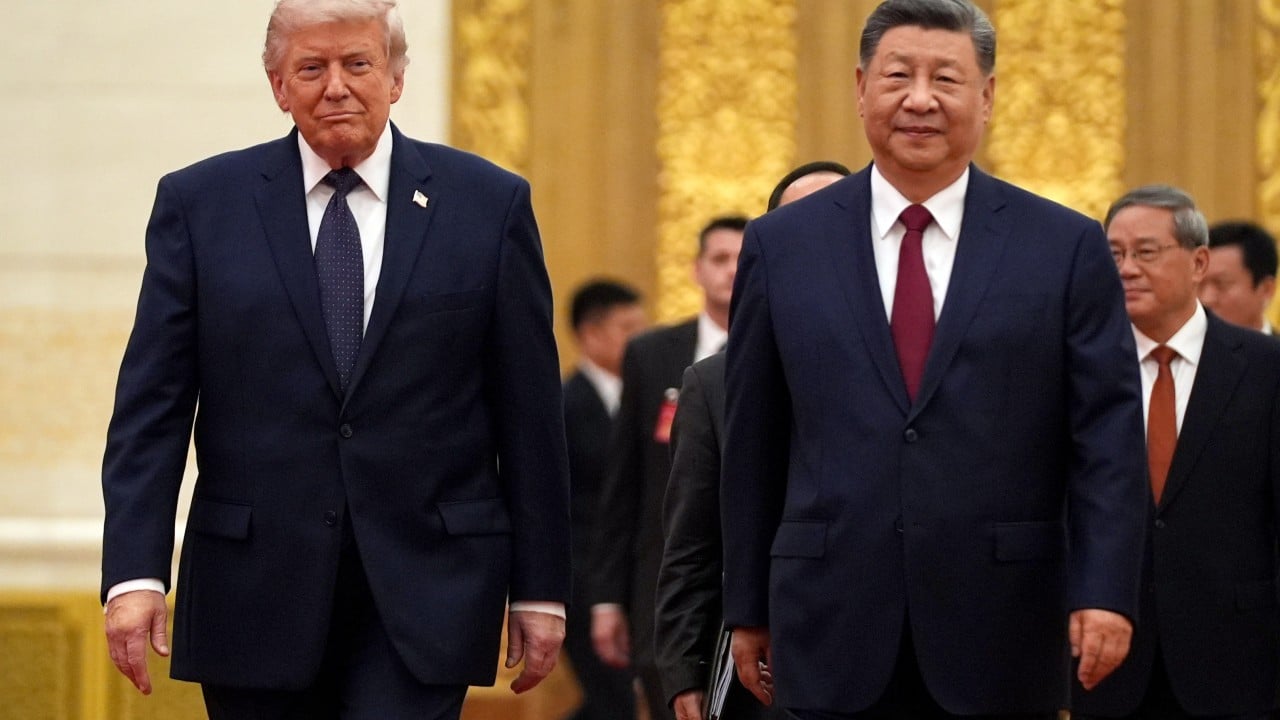
High-stakes diplomacy rarely goes according to script, but the current run-up to Chinese President Xi Jinping’s scheduled state visit to the United States is testing Beijing's patience. If you've been watching Washington lately, you know it's a constant stream of sudden policy shifts, aggressive trade curbs, and unexpected rhetorical volleys. Chinese officials are genuinely rattled, and honestly, can you blame them?
When leaders plan a massive summit, they want predictable environments. Instead, Beijing is dealing with a White House that moves fast, breaks things, and rarely follows traditional diplomatic playbooks. It's the exact same script we saw play out during earlier frictions, but the stakes heading into the autumn meetings are vastly higher.
Why Unpredictability Scares Beijing
The Chinese political machine thrives on long-term planning, steady signals, and structured outcomes. When Donald Trump drops surprise allegations about election interference, slaps fresh export controls on tech sectors, or pushes multibillion-dollar arms packages for Taiwan through congressional pipelines, Beijing's strategic calculators go into overdrive.
Let's look at the actual friction points.
- Ongoing disagreements over artificial intelligence and advanced robotics.
- Stalled talks regarding a proposed bilateral board of investment.
- Sudden tariff spikes that catch Chinese exporters off guard.
Beijing prefers to manage relationships through quiet, behind-the-scenes consensus. When the White House turns international relations into public theater, it forces Chinese leadership into a corner where silence looks weak, but retaliation risks blowing up the summit entirely.
History Repeating Itself
We've watched this movie before. Back during previous diplomatic exchanges, physical scuffles between security details and sudden press chaos set a tense backdrop for leaders trying to project harmony. Remember the chaotic scenes during the Beijing meetings where media scuffles and protocol breaches dominated the headlines? Those aren't just logistical hiccups. They reflect a deeper mutual distrust that bubble up every time the two delegations get within a few feet of each other.
The primary challenge is that diplomacy has become overly reliant on direct head-of-state rapport rather than deep institutional channels. When the bureaucratic guardrails fail or get ignored, everything depends on whether two notoriously strong-willed leaders get along on any given afternoon.
Navigating the Road to the Summit
If you are trying to figure out whether Xi's trip will actually happen or fall apart over a trade speed bump, look at the tangible deliverables rather than the noise. While hawks in Washington push for harsher stances on Taiwan and trade restrictions, commercial realities—like recent Chinese purchases of American agricultural goods—keep both sides tethered to the negotiating table.
Beijing will keep trying to separate domestic American political theater from actual foreign policy, but the margin for error is shrinking fast. Keep an eye on the preliminary ministerial visits and trade talks over the coming weeks; they will tell you whether the upcoming summit is going to be a historic breakthrough or a diplomatic trainwreck.
HEATED MOMENT: Shouting Match Erupts Between US Journalists and Chinese Guards
This video captures the intense security clashes and high-stakes friction that routinely characterize high-level diplomatic visits between the US and China.