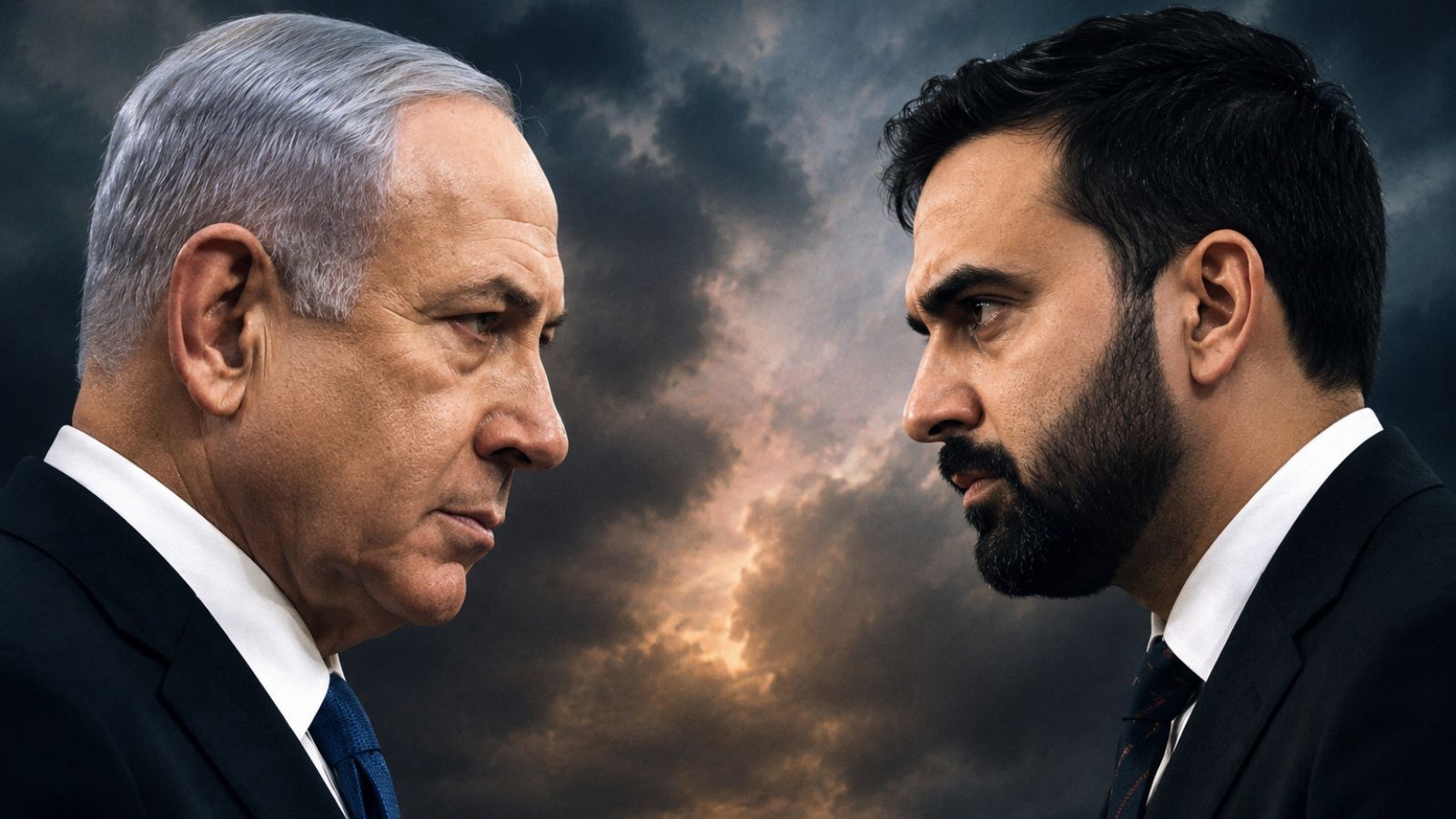
Benjamin Netanyahu is heading to New York. The diplomatic security details are locking down. Protest organizers are printing signs. Local politicians are drafting fiery press releases. You've probably seen the headlines about impending arrest calls and municipal friction. But strip away the political theater and you'll find a standard diplomatic routine colliding with predictable domestic grandstanding.
Let's cut through the noise. Why is this trip happening now? High-level international forums always draw controversial heads of state. International law and diplomatic immunity create a messy legal labyrinth. Local politicians can demand arrests all they want. Reality works differently.
The Reality of Diplomatic Immunity in New York
Local officials don't control federal immigration protocols or international treaties. When a foreign leader travels to address global bodies like the United Nations, they operate under specific legal protections. Zohran Mamdani and other critics can call for action until they're blue in the face. They cannot override federal jurisdiction.
Headlines love a showdown. They thrive on the illusion that a city council member or a state assembly representative can intercept a foreign prime minister on the tarmac. That isn't how international relations function. It's loud. It makes great television. It generates campaign donations. It changes zero practical outcomes.
Diplomatic visits of this magnitude require months of federal coordination. The State Department signs off on visas. The Secret Service manages the perimeter. Local police departments provide traffic support, not geopolitical enforcement.
Why the Rhetoric Keeps Escalating
Politicians use high-profile international figures as leverage for domestic attention. If you want to capture a news cycle, pick a fight with the most polarizing leader on the planet. It works every time.
Voters want leaders who take a stand. When local politicians demand arrests, they're signaling loyalty to specific constituencies. They aren't executing a realistic legal strategy. They're broadcasting a moral stance.
Look at the mechanics of modern political communication. Nuance dies on social media. Short, punchy demands for accountability outperform dry explanations of international law. People are angry. They want simple solutions to impossibly complex conflicts.
"Demanding the impossible is a time-tested way to mobilize a base without having to govern through messy compromises."
What Happens When Air Force One Lands
Security will be airtight. Streets will close. Protestors will chant behind metal barricades. The motorcade will move from the airport to the destination under heavy guard.
Nothing grounds the flight.
International institutions operate on a different plane than domestic municipal politics. You don't have to like it. You don't have to agree with the policies of the visiting administration. Recognizing the structural boundaries of power keeps us from falling for manufactured crises.
Keep your eyes on the actual policy shifts, not the airport protests. Watch how global alliances actually move behind closed doors. Stop buying into the hype machine that treats a scheduled international address like an action movie climax.
Check the facts before sharing the next viral outrage post. Understand who holds actual authority and who is just shouting into the digital void for attention.


