The lazy consensus treats foodborne illness like a tragic lightning strike. A brand is cruising, profits are swelling, and then bam—some invisible parasite drops out of the sky to wreck the balance sheet.
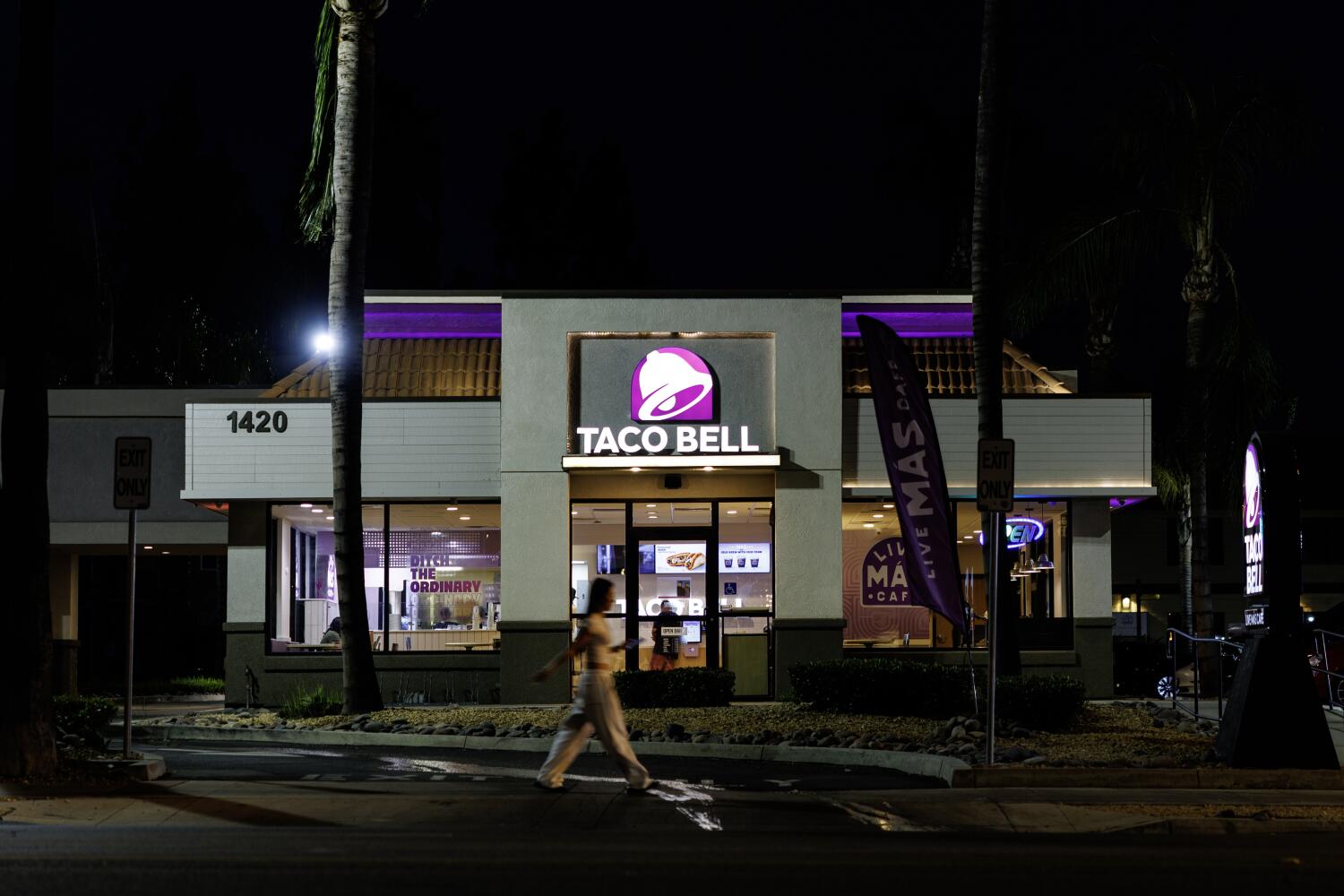
Coverage of the recent outbreak tied to Taylor Farms shredded iceberg lettuce frames Taco Bell as the primary victim of a cruel twist of agricultural fate. This narrative is comforting for PR departments and intellectually vacant. It completely misses the structural vulnerabilities of industrialized supply chains.
Blaming the fast-food icon for a parasite outbreak is like blaming a driver whose brakes fail because the factory used sub-standard steel. The problem is not the storefront selling the taco. The problem is an agricultural logistics model built entirely around speed, monoculture farming, and consolidated sourcing that treats food safety as an afterthought until lawyers get involved.
I have watched corporate executives blow millions trying to patch leaking supply chains with communication strategies instead of structural fixes. When a single processing plant in Salinas or central Mexico feeds thousands of individual restaurants across multiple states, you do not have a supply chain. You have a single point of catastrophic failure.
Let us look at the mechanics of how this actually operates.
Industrial produce aggregation relies on washing massive volumes of greens in communal water flumes. If a single upstream farm in an exporting region has compromised irrigation water or inadequate sanitation infrastructure, that contamination is mechanically distributed across thousands of pounds of product. A parasite like Cyclospora does not care about your marketing budget or your value menu strategy. It thrives in the exact blind spots created by centralized mass distribution.
When the Centers for Disease Control and Prevention and the Food and Drug Administration trace an outbreak back to a massive agribusiness supplier like Taylor Farms, the media immediately pivots to the household name on the marquee. That is a tactical error in analysis. Taco Bell did not grow the lettuce. They did not harvest it, wash it in industrial tanks, or cross-reference the field water testing logs. They outsourced the physical reality of agriculture to a middleman, assuming scale equals security.
Scale does not equal security. Scale equals exposure.
Imagine a scenario where every fast-food conglomerate is legally required to source fresh produce exclusively from regional cooperatives within a two-hundred-mile radius of their distribution centers. Costs would rise marginally, yes. But a contamination event in Michigan would remain isolated to Michigan. It would never scale into a multi-state public health crisis that paralyzes national sales.
Instead, the industry doubles down on centralized processing because it protects profit margins during normal operations. When a crisis hits, they rely on voluntary recalls and corporate apologies.
The real story here is not that a parasite temporarily stalled a fast-food giant's momentum. The real story is that our entire fresh produce infrastructure is structurally vulnerable to biological disruption, and no amount of crisis communications will fix a broken agricultural foundation.
Stop treating outbreaks as anomalies. They are features of the system.
Stop buying the excuse that mega-suppliers are too big to fail.
They are just too big to care until the lawsuits start.