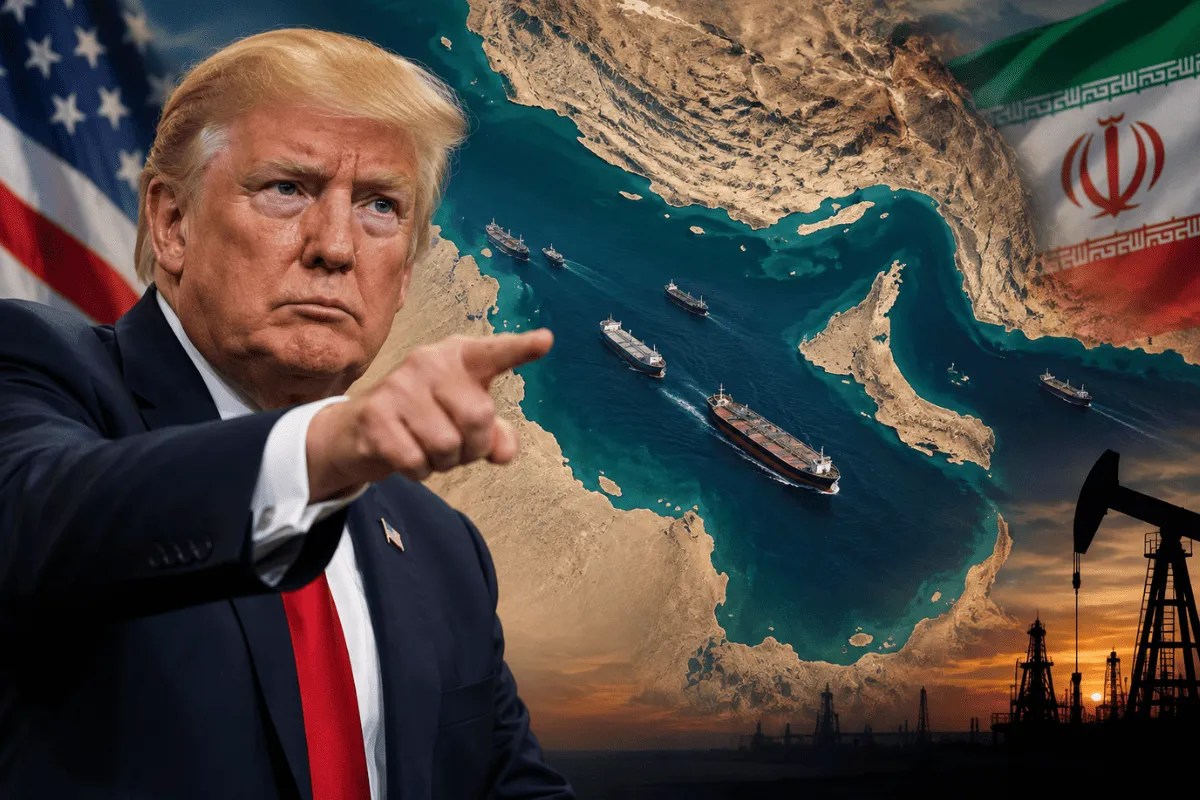
When people talk about global supply chain vulnerability, they usually obsess over the Strait of Hormuz or the Suez Canal. But if you want to see what truly keeps strategists in New Delhi awake at night, look east.
The Strait of Malacca is a thin aquatic highway sitting between Malaysia, Indonesia, and Singapore. At its narrowest point, it shrinks to a meager 2.8 kilometers. Through this tiny bottleneck flows roughly a third of global trade and a massive share of the energy supplies powering Asia.
Middle East tensions have already proven how fragile maritime arteries can be. If a crisis ever chokes off Malacca, the economic shockwaves won't just hit East Asia—they will slam straight into India’s economic doorstep, disrupting everything from manufacturing supply chains to critical fuel imports.
The Geometry of Vulnerability
Geography is destiny, and Malacca's geography is a disaster waiting to happen for anyone relying on predictable shipping. It is the shortest sea route connecting the Indian Ocean to the South China Sea. Over 90,000 vessels squeeze through this passage every single year.
When disruptions hit western chokepoints like Hormuz, shipping companies frantically look for alternatives. But bypassing Malacca isn't like taking a detour around a highway accident. Shippers wanting to avoid the strait must sail all the way around the Indonesian archipelago via the Lombok or Makassar straits, adding thousands of extra nautical miles and weeks of transit time.
The costs skyrocket instantly. Insurance syndicates spike war-risk premiums. Delivery windows evaporate. For a country like India, which relies heavily on free-flowing maritime commerce across the Indo-Pacific, any prolonged blockage turns a regional standoff into an immediate national security and economic crisis.
Why India Cares More Than Ever
You might wonder why a trade lane sitting near Singapore matters so intensely to New Delhi. The answer lies in India’s expanding economic ambitions and its strategic posture in the Indo-Pacific.
India's trade with ASEAN nations and East Asian manufacturing hubs runs right through this corridor. More importantly, New Delhi views the security of the eastern seaborne approaches as indivisible from its own continental stability. Any military friction or blockades in Southeast Asia directly threaten India's energy imports, export markets, and maritime supply chains.
This reality has forced a major shift in how India approaches regional security. Instead of acting as a distant observer, India is actively stepping up its naval cooperation and joint patrolling frameworks near the strait. By aligning with regional partners like Indonesia and Malaysia under frameworks aligned with international maritime law, India aims to ensure that these critical waters remain open and secure against any coercive pressure.
The Strategic Advantage of Proximity
Unlike extra-regional powers that have to steam thousands of miles to project force into Southeast Asia, India sits right next door. The Andaman and Nicobar Islands place the Indian Navy within striking distance of the western entrance of the Malacca Strait.
This geographic proximity changes the entire strategic calculus. India doesn't need to dominate the entire South China Sea to make its presence felt. By maintaining robust surveillance and logistics nodes in its eastern island territories, India can monitor traffic, deter disruptions, and project stabilizing power precisely where it matters.
Strategic thinkers often point out that a chokepoint crisis doesn't require a total military blockade to inflict maximum pain. The mere threat of disruption, soaring insurance rates, and political posturing—such as recent regional debates over potential transit tolls—are enough to send shockwaves through global markets.
To counter these risks, India is aggressively building out domestic transhipment capabilities, upgrading port infrastructure, and pushing for land-based connectivity alternatives like the Trilateral Highway with Myanmar and Thailand. Diversifying trade corridors ensures that if the water gets rough, the economy doesn't grind to a halt.
Keeping maritime lanes open requires constant diplomatic engagement, robust naval interoperability, and hard-nosed infrastructure planning. India's future growth depends entirely on keeping the gateway to the east wide open.
Check out this detailed discussion on maritime security and the Strait of Malacca risks to dive deeper into how regional navies are responding to these pressures: Maritime Security and Strait of Malacca Risks