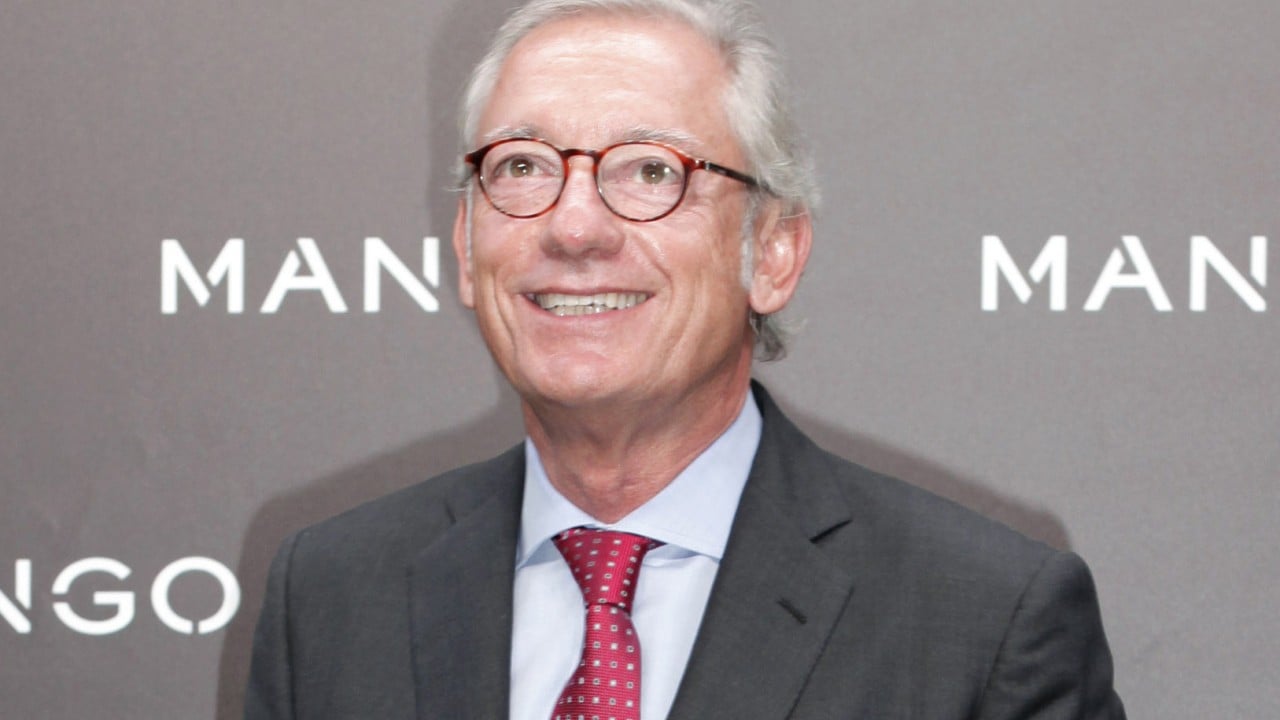
Jonathan Andic, the 45-year-old heir and non-executive vice-chairman of Spanish retail giant Mango, stepped down from his corporate responsibilities on May 26, 2026. The abrupt departure follows his formal indictment and a brief police detention in connection with the alleged homicide of his billionaire father, Isak Andic, who plunged to his death during a mountain hike in late 2024. While the executive claims his resignation is a temporary measure designed to focus on his legal defense, the escalating criminal case exposes deep familial fractures and places a $4.5 billion fast-fashion empire in unprecedented jeopardy.
Corporate successions are rarely clean, but they seldom involve a million-euro bail and a forensic reconstruction of a mountain cliffside. For nearly two years, the official narrative surrounding the death of Isak Andic was one of a tragic, unforeseen accident. The 71-year-old billionaire founder of Mango supposedly lost his footing on a trail in the Montserrat mountains near Barcelona, falling more than 300 feet. Jonathan Andic was the only witness.
The facade cracked when judge Raquel Nieto Galván lifted a judicial secrecy order, revealing that the Catalan regional police, the Mossos d'Esquadra, had quietly built a homicide case against the heir. The transition of Jonathan Andic from grieving son to prime murder suspect has sent shockwaves through the European retail sector, forcing the company into immediate damage control to preserve its global brand stability.
The Flaws in the Perfect Accident
Investigative details from the court in Martorell paint a starkly different picture of the December 2024 tragedy than the version initially provided to authorities. The trail linking the Salnitre caves to the Montserrat monastery is a well-traveled, relatively straightforward path. It is frequented by families, tourists, and school groups every weekend. It is not an alpine death trap.
Forensic investigators began questioning the logistics of the fall early in the revived probe. The injuries sustained by Isak Andic and the final positioning of his body did not align with a simple slip on a mild hiking path. According to court documents, Jonathan's own testimony unraveled under repeated examination.
- Inconsistent Movements: In his initial statements, Jonathan claimed he was walking well ahead of his father. Later, his account shifted, placing them in close physical proximity at the time of the plunge.
- The Missing Photograph: The heir originally told officers that his father had stepped near the edge to take a photograph. Yet, forensic teams discovered the billionaire’s mobile phone securely tucked inside his jacket pocket—not scattered on the rocks or clutched in his hand.
- The Reconnaissance Trips: Digital forensics tracking Jonathan's phone placed him at the exact site of the fatal fall on three separate occasions in the days leading up to the hike. Prosecutors allege these visits were not casual strolls, but deliberate planning sessions to study the terrain and find a blind spot on the mountain.
WhatsApp Messages and the Money Obsession
The criminal case moves beyond physical logistics into a classic, bitter motive. The presiding judge openly cited a profound personal and professional crisis between father and son, fueled by what the court described as Jonathan's obsession with money.
The relationship soured significantly in the late 2010s. Isak had handed the day-to-day operations of Mango over to Jonathan in an attempt to cement the succession plan. The stint was disastrous. Under Jonathan’s management, the retailer suffered heavy losses, forcing the aging patriarch to step back into the driver's seat, strip his son of operational control, and eventually install Toni Ruiz as CEO in 2020.
Data extracted from Jonathan’s phone revealed a dark psychological backdrop. Text messages sent by the heir expressed deep-seated hatred, intense resentment, and explicit thoughts of death toward his father, whom he blamed for his professional humiliation. Investigators also detailed a pattern of emotional manipulation exercised by Jonathan to secure financial guarantees, particularly as Isak began directing a large portion of his $4.5 billion fortune toward establishing a private charitable foundation—a move that would have permanently walled off vast sums of capital from the family heirs.
The Multi-Billion Dollar Legal Defense
Jonathan Andic has mounted a fierce public relations counter-offensive. In an open letter addressed to Mango’s global workforce, he vehemently denied the homicide charges, calling the allegations unjust, unfounded, and deeply painful. He argued that public perception had been warped by a partial, decontextualized, and biased legal narrative.
"I lost my father under circumstances that were profoundly painful for me, my family, and those close to us," Jonathan wrote, defending the complexity of their bond. "As happens in so many families, we also went through difficult and complex periods, which we overcame with great effort, generosity, and support."
Though Jonathan has stepped away from the core retail board, he explicitly noted that he is maintaining his roles within the Andic family holding companies. This distinction is critical. Jonathan and his two sisters control 95 percent of the share capital of Mango. Standing down from the vice-chairmanship protects the corporate storefront, but the family's absolute ownership of the enterprise remains entirely unchecked.
Corporate Insulation and the Retail Fallout
Mango is currently at the peak of its commercial powers, reporting record revenues of nearly 3.8 billion euros ($4.4 billion) for the previous fiscal year. It operates more than 2,900 stores across 120 markets. A scandal of this magnitude threatens the institutional trust required to sustain that scale.
CEO Toni Ruiz, who took over the chairmanship shortly after the founder's death, has moved quickly to insulate the operational side of the business from the courtroom drama. In a memo sent to employees, Ruiz expressed maximum respect and understanding for Jonathan's exit, while the remaining board members issued a unified statement expressing full confidence that the judicial process would resolve favorably.
The strategy is textbook crisis management: isolate the suspect, validate the legal process, and emphasize that the retail operations are entirely separate from the family's internal warfare. However, institutional investors, supply chain partners, and international franchise operators are now looking at a company where the primary owners are entangled in a patricide trial. The corporate firewall will face immense pressure as the trial dates approach and more forensic data enters the public record.
The true test for Mango will not be its ability to move clothes off the racks in Paris or New York this season. It will be whether the brand can survive the long, public dismantling of the family that built it.