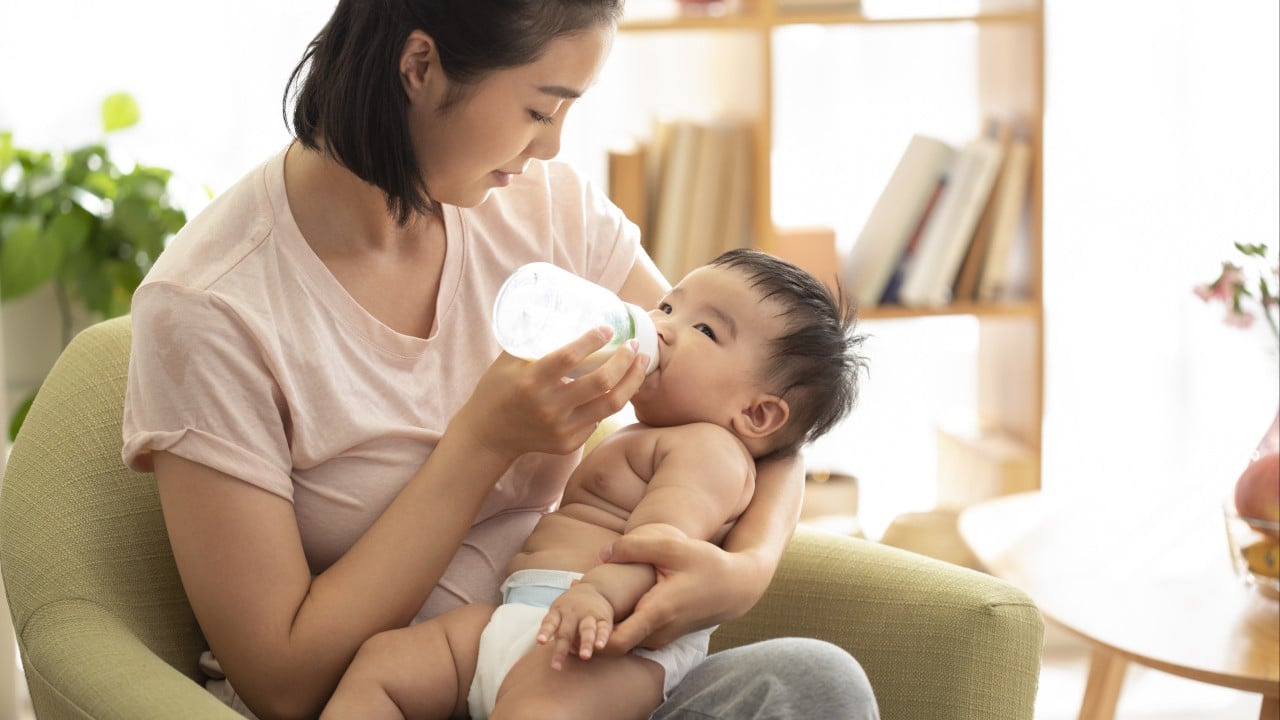
The headlines practically wrote themselves. A two-month-old infant in China ends up in the intensive care unit with severe poisoning after being fed homemade vegetable juice. The internet immediately did what it does best: erupted into a chorus of predictable, pearl-clutching outrage targeting the parents. "How could anyone be so ignorant?" "This is why you only trust commercial formula."
It is a neat, comforting narrative. It allows the modern parent to buy a plastic tub of ultra-processed powder, feel morally superior, and move on. You might also find this connected article useful: The Vector Economics of Canine Tick Control Systems.
But it is entirely wrong.
The panic surrounding this case misses the structural reality of pediatric nutrition. The villain here is not a well-meaning parent blending up leafy greens. The villain is basic biochemistry—specifically, the conversion of naturally occurring nitrates into nitrites by oral bacteria, leading to a condition called methemoglobinemia. As discussed in detailed reports by Mayo Clinic, the results are widespread.
By hyper-focusing on the "exotic" horror of a vegetable juice formula, the health media missed a much larger, more uncomfortable truth: the exact same mechanism of toxicity is hiding in the everyday tap water and organic baby purees lining supermarket shelves across the West. We are scaring parents away from whole foods while ignoring the systemic agricultural failures that make our entire food supply a chemical minefield for newborns.
The Chemistry of a "Blue Baby" Scare
To understand why the mainstream coverage of this incident was so lazy, you have to understand the specific physiological vulnerability of an infant under six months old.
When a newborn ingests high-level nitrates—which are naturally abundant in vegetables like spinach, beets, celery, and carrots—something dangerous happens in their digestive tract. Infants have a higher gastric pH than adults, meaning their stomachs are less acidic. This environment allows nitrate-reducing bacteria to proliferate in the upper gastrointestinal tract. These bacteria convert harmless nitrates into nitrites ($NO_2^-$).
Once nitrites enter the bloodstream, they oxidize the iron in hemoglobin, the protein responsible for carrying oxygen. Specifically, they convert ferrous iron ($Fe^{2+}$) to ferric iron ($Fe^{3+}$). This transforms functioning hemoglobin into methemoglobin.
Hemoglobin (Fe2+) + Nitrites -> Methemoglobin (Fe3+) [Cannot bind oxygen]
Methemoglobin cannot bind or transport oxygen. When methemoglobin levels exceed 10% of total hemoglobin, the tissue begins to starve. The classic symptom is cyanosis—a distinct, slate-blue discoloration of the skin, particularly around the mouth and fingers. This is "Blue Baby Syndrome." Adults have high levels of an enzyme called cytochrome-b5 reductase, which quickly converts methemoglobin back to functional hemoglobin. Infants under six months possess only about half the adult activity level of this enzyme. They are functionally defenseless against a massive nitrite spike.
The media treated this Chinese ICU case as an anomaly of homemade experimentation. But this is not an isolated cultural mistake; it is a predictable biochemical milestone for any infant exposed to concentrated agricultural runoff or poorly prepared whole foods.
The Organic Formula Illusion
The immediate reflex of the corporate wellness industry was to leverage this story to promote factory-sealed infant formulas. "Stick to the science," the pundits claimed.
Let's look at the actual data. The American Academy of Pediatrics (AAP) has long maintained that infants should not be fed home-prepared spinach, beets, or carrots before six months of age due to nitrate risk. However, commercial baby food manufacturers are not magically immune to this chemistry.
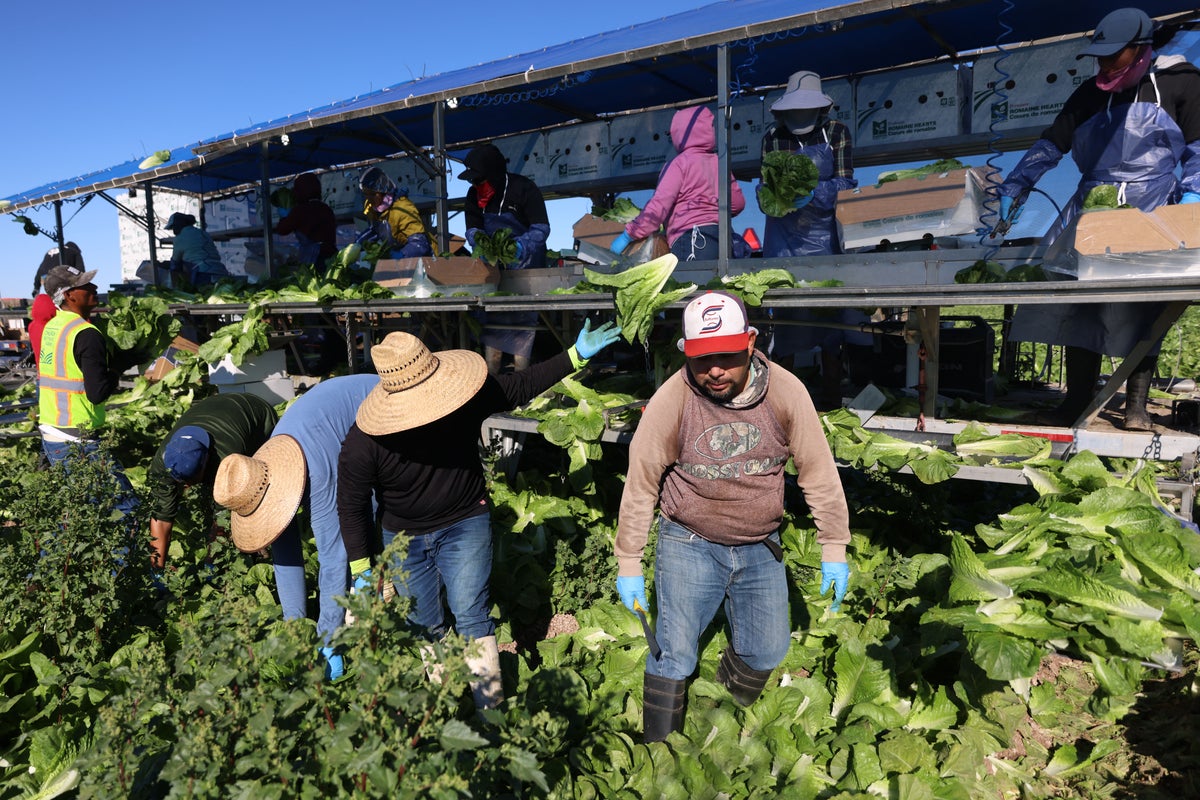
I have spent years analyzing supply chains in agricultural tech. Here is the dirty secret the commercial baby food sector prays you never uncover: industrial organic farming frequently uses massive amounts of animal manure and nitrate-based fertilizers allowed under organic certifications. This nitrogen saturates the soil and accumulates heavily in the leaves and roots of root vegetables.
A study looking at commercial infant food preparations found that while manufacturers attempt to screen for heavy metals and high nitrate loads, levels vary wildly by batch. When you feed your four-month-old a jar of commercial, organic "pureed garden greens," you are trusting a corporate supply chain that routinely operates right up to the legal thresholds of nitrate concentration.
If you think a shiny label protects your child from methemoglobinemia, you are dreaming. The risk isn't the kitchen blender; the risk is the industrial soil chemistry.
Dismantling the Public Health Myths
When you look at the public health guidance around infant toxicity, the advice is consistently watered down to avoid offending industrial interests. Let’s tackle the most common questions with the brutal honesty they deserve.
"Is commercial formula always safer than homemade alternatives?"
No. If you mix the most expensive, scientifically advanced commercial formula powder with well water from a rural property or municipal water from a region with heavy agricultural runoff, you can induce methemoglobinemia instantly. The Environmental Protection Agency (EPA) sets the maximum contaminant level for nitrates in drinking water at 10 milligrams per liter (mg/L). Yet, thousands of private wells across the United States exceed this limit every single year due to fertilizer seepage. The powder in the tub is irrelevant if the solvent you pour into the bottle is toxic.
"Should infants avoid all vegetables until they are one year old?"
This is the reactionary stance parents take after reading sensationalized news. The issue is not vegetables; the issue is age and concentration. After six months, an infant's stomach acid increases, their microflora stabilizes, and their cytochrome-b5 reductase enzyme levels mature. The risk drops precipitously. The nuance missed by the competitor's article is that vegetables are essential for metabolic training—introducing them at the right developmental window (post-six months) is vital. Total avoidance out of fear creates a generation of children addicted to ultra-refined carbohydrates.
The Trade-Offs of the Contrarian Approach
If we accept that the mainstream narrative is flawed, what is the alternative? The alternative is hyper-vigilance regarding sourcing, which comes with its own distinct downsides.
- Financial Strain: Testing your home's tap water for nitrates or buying verified low-nitrate distilled water for infant hydration requires capital and effort.
- Logistical Friction: Rejecting both the lazy "just blend whatever is in the fridge" method and the blind trust of commercial jars means parents must actively track the developmental milestones of their child's digestive enzymes.
- Isolation: Stepping outside the standard pediatric advice pipeline means navigating a landscape where most family doctors will look at you sideways for asking about the specific nitrate parts-per-million in your local water table.
But the cost of ignorance is an emergency room run.
Stop Blaming the Parents, Fix the Ground
The true takeaway from the infant hospitalization in China is not that homemade food is an inherent risk. The takeaway is that our environment has become so saturated with agricultural nitrogen that raw nature is now toxic to our offspring.
We have engineered an agricultural system where a basic vegetable can oxygen-starve a newborn baby. Instead of writing scolding articles about parental education, we should be asking why our soil management practices make whole foods dangerous for the most vulnerable among us.
The solution isn't to retreat into a lifestyle of factory-made powders and corporate paste. The solution is to demand rigorous, transparent nitrate testing on every single ingredient entering the infant supply chain—whether it comes from a local co-op or a multi-billion-dollar conglomerate. Until then, test your water, verify your child's age, and stop letting corporate marketing departments use an isolated medical crisis to sell you a false sense of security. Turn off the news, test your well, and buy a water filter. This isn't a parenting failure; it's an environmental indictment.