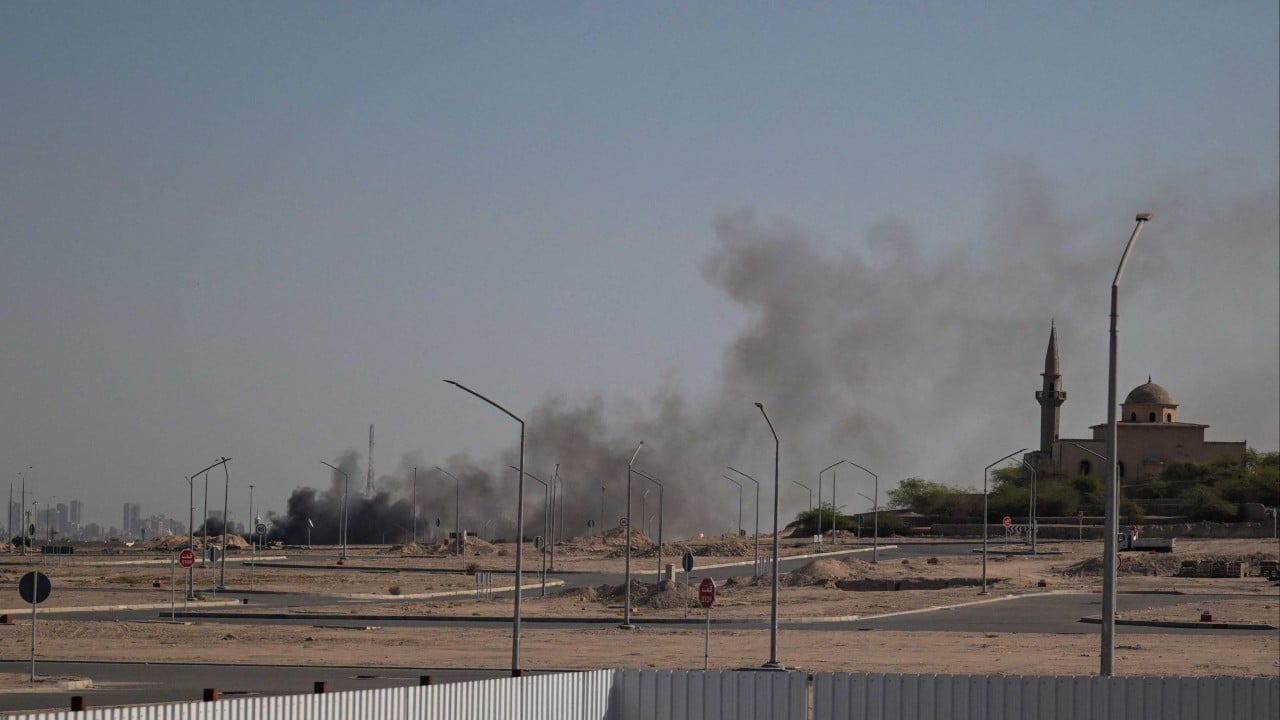
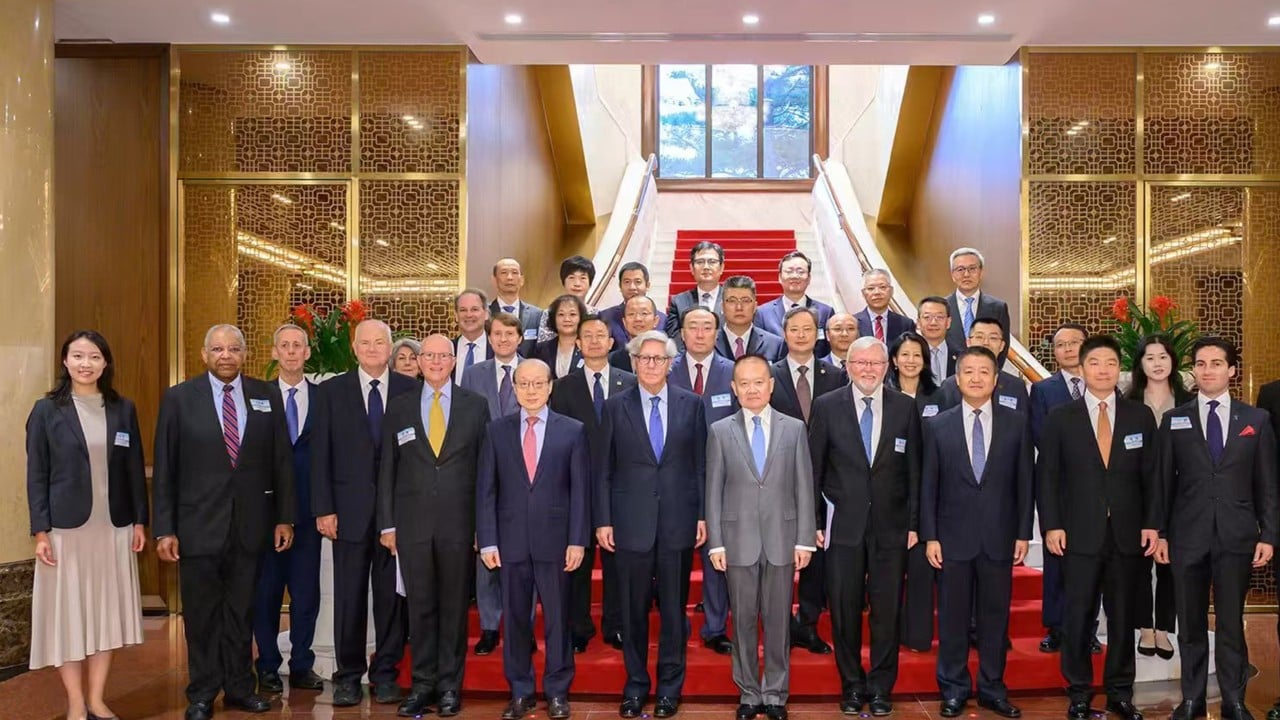
Every time national security advisors sit across the mahogany table, the media treats the event like the opening act of a peace treaty. National security advisor Ajit Doval meeting with high-ranking Beijing officials sparks the usual flurry of breathless commentary. Analysts pore over handshakes, read too much into facial expressions, and draft earnest columns about the thaw in bilateral relations.
It is all an expensive distraction.
The lazy consensus in international relations holds that diplomatic friction points like the Line of Actual Control can be ironed out through persistent dialogue and strategic compromise. This view ignores the structural realities of modern deterrence. Border talks do not solve territorial disputes; they freeze them into manageable management zones while both sides quietly rewrite the facts on the ground fifty miles away.
The Fallacy of the Joint Statement
Diplomatic communiques are masterclasses in saying nothing while satisfying domestic press corps. When officials finish talking, they release carefully sanitized statements about mutual understanding and stability.
I have watched policy shops waste months dissecting these press releases as if they contain hidden codes. They do not. They are bureaucratic placeholders designed to prevent immediate escalation while procurement budgets quietly balloon behind closed doors.
Focusing on the diplomatic table blinds observers to the infrastructural reality. Beijing does not negotiate sovereignty over a cup of tea; it lays fiber-optic cables, builds dual-use villages, and constructs forward airstrips. New Delhi responds with accelerated road-building and reinforced mountain divisions. That is the actual dialogue. The men in suits in capital cities are merely providing cover for the engineers laying concrete in freezing passes at fourteen thousand feet.
Misreading the Strategic Calculus
Let us dispense with the fiction that economic interdependence prevents military competition. Trade volumes between India and China routinely set records, yet physical friction along the Himalayan frontier scales upward year after year.
Standard commentary insists that commerce acts as a pacifier. That theory expired the moment global supply chains became weaponized instruments of statecraft.
Mutual trade does not stop geopolitical friction; it merely funds the military modernization required to sustain it.
👉 See also: The Long Journey Home from Phu Quoc
When strategists claim that diplomatic engagement builds trust, they fundamentally misunderstand the baseline motivation of both states. Trust is a scarce commodity in great power competition. What looks like a breakthrough in a conference room is usually just a tactical pause to resupply logistics lines before the next winter deployment cycle begins.
The Geography of Attrition
The physical theater of these disputes defies conventional military logic. Operating at altitudes where oxygen deprivation impairs decision-making changes the nature of deployment.
- Logistics Dominate Strategy: Tanks and heavy armor matter less than high-altitude transport helicopters and heated modular housing for infantry.
- Permanent Posture Replaces Patrols: Seasonal patrols have given way to permanent, year-round garrisoning of previously abandoned sectors.
- Information Dominance Outpaces Infantry: Radar installations, SIGINT stations, and satellite surveillance dictate tactical advantage long before a rifle is shouldered.
By treating border standoffs as temporary diplomatic anomalies, analysts misdiagnose a permanent structural shift. This is not a temporary disagreement over a cartographic line drawn by colonial administrators. It is a long-term trial of national endurance.
What Real Deterrence Looks Like
If you want to understand where the border dynamic is heading, ignore the joint press conferences. Look at military logistics budgets, domestic manufacturing capacities for high-altitude gear, and regional infrastructure spending.
India cannot talk its way into a secure frontier, and China cannot out-build geography forever. Both nations are locked in a high-stakes endurance match where the currency of power is not diplomatic charm, but sustained logistical staying power in the harshest terrain on earth.
Stop reading the tea leaves of diplomatic communiques. Watch the roads they pave, and measure the thickness of the steel they haul into the mountains.