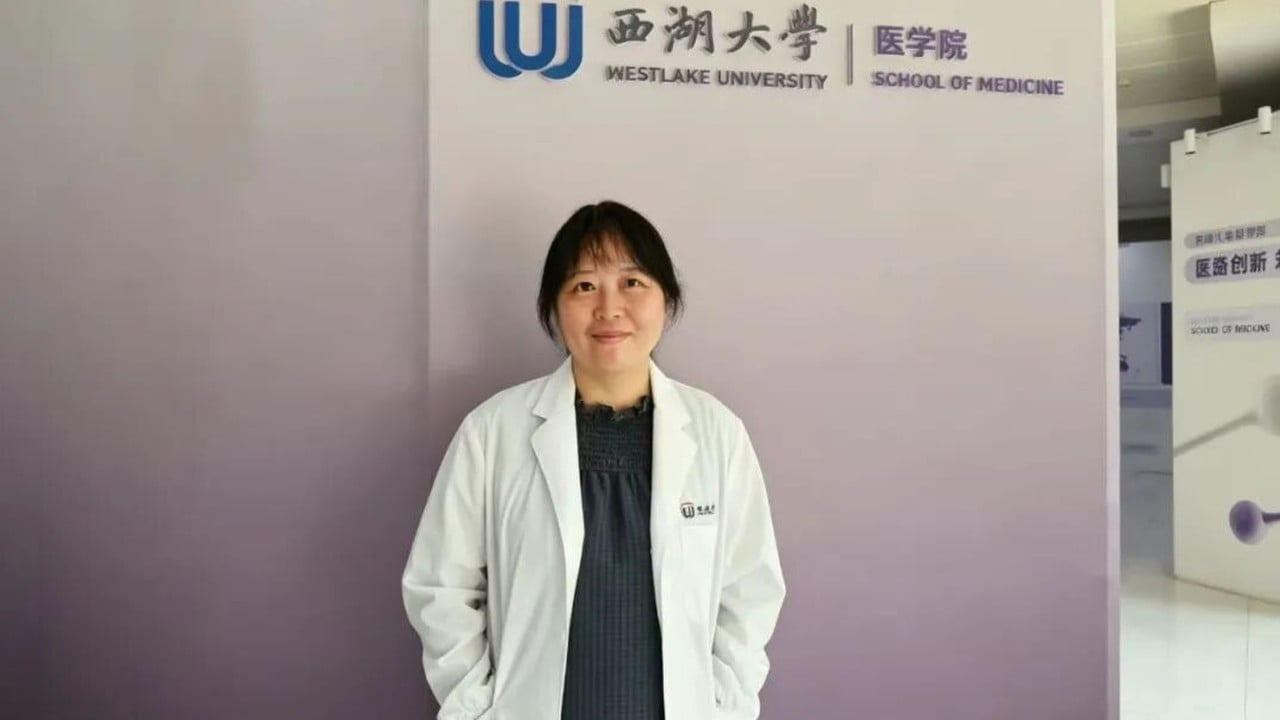
The biomedical talent pipeline between the United States and China is shifting in ways that legacy institutions are struggling to comprehend. Dr. Yang Shen, a respected endocrinologist and metabolism specialist who spent years building a practice in Southern California, has officially accepted a high-profile appointment at China's Westlake University.
For decades, the standard vector of advanced medical talent was unidirectional. Researchers and clinicians trained in Beijing or Shanghai chased fellowships in Boston, Houston, and Los Angeles, rarely looking back. This departure reverses that historic gravity. Westlake University, a private research university heavily backed by state grants and philanthropic capital, is quietly assembling a cadre of Western-trained clinicians to bridge the persistent chasm between theoretical bench science and bedside clinical application.
Dr. Shen's transition from Huntington Hospital and the Southern California clinical circuit into an elite Chinese academic environment highlights more than a personal career pivot. It exposes structural vulnerabilities in how Western medical systems fund translational research, manage clinician burnout, and integrate large-scale data analytics into daily patient care.
The Anatomy of the Westlake Strategy
To understand why a mid-career clinician with an established American practice would pack up for Hangzhou, one must look at how Westlake University operates compared to traditional Western medical conglomerates. Founded largely on the model of private American research institutes like Caltech, Westlake bypasses much of the bureaucratic inertia that plagues state-funded universities in the West.
They are building translational medicine from the ground up. Traditional American academic medical centers are bound by decades-old departments, entrenched hierarchies, and administrative bloat that often slows down the deployment of novel metabolic therapies. Westlake, unburdened by legacy structures, offers investigators absolute institutional backing and direct access to China's massive, digitally integrated patient cohorts.
Diabetes and metabolic disorders constitute a massive global health crisis. China currently houses the largest population of diabetes patients on earth, crossing over 140 million individuals by recent estimates. Yet, translating massive epidemiological datasets into frontline clinical protocols has historically faced immense bottlenecks. By recruiting Western-trained specialists who understand both FDA regulatory frameworks and global trial standards, institutions like Westlake aim to accelerate clinical trials for next-generation glucose-monitoring tech, islet cell transplants, and precision weight-management therapeutics.
The Cracks in the American Clinical Ecosystem
The quiet exodus of specialized talent points to a deeper malaise within American healthcare delivery. Clinical endocrinology in the United States is currently suffocating under administrative weight. Physicians spend more hours battling third-party insurance payers over prior authorizations for continuous glucose monitors or GLP-1 receptor agonists than they do analyzing complex metabolic pathways.
Burnout is no longer a buzzword; it is the baseline operating condition. When a clinician is pressured by hospital administrators to see twenty-five patients a day in fifteen-minute increments, deep clinical research and individualized patient optimization become mathematically impossible.
Institutions abroad are capitalizing on this systemic exhaustion. They offer premier research funding, dedicated laboratory space, and freedom from the relentless billing pressures that define modern American medical practice. Dr. Shen's move demonstrates that premier research universities in Asia can now successfully poach frontline specialists who previously viewed Western practice environments as the absolute apex of medicine.
What This Means for Global Medical Power Dynamics
The integration of US-licensed physicians into Chinese medical academies marks a mature phase in global scientific competition. This is no longer about reverse engineering foreign patents or stealing intellectual property. It is about talent acquisition on equal footing.
When premier clinicians move fluidly between Los Angeles and Hangzhou, they bring tacit knowledge, clinical intuition, and cross-border research networks that cannot be easily replicated by domestic training alone. The cross-pollination of American clinical trial design with China's rapid deployment of digital health infrastructure creates a formidable competitive edge in metabolic disease research.
The medical establishment in the United States has long relied on its unmatched prestige to retain top-tier minds. Prestige, however, does not offset crushing administrative overhead, stagnating research grants, and a fragmented healthcare market.
As other elite clinicians watch their peers successfully transition to heavily funded, unburdened academic posts overseas, the calculus of medical migration shifts permanently. The Los Angeles clinic losing a top-tier endocrinologist today is a minor data point. The structural shift driving that clinician across the Pacific is a symptom of a much larger transformation that Western health systems ignore at their peril.