The hospital room at Rome’s Gemelli University Hospital smelled faintly of antiseptic and boiled down anxiety. Outside, the autumn air carried the familiar exhaust fumes of the Tiber banks, but inside, time had slowed to the steady, mechanical hiss of an oxygen monitor. Pope Leo XIV sat upright against a stack of pillows. At seventy-one, with a lifetime of quiet resilience etched into the corners of his eyes, he did not look like a man preparing for historical drama. He looked like an ordinary patient waiting for a doctor to deliver a verdict.
Just days prior, during a routine medical examination, a shadow had flickered across a scan. It was small, circumscribed, an uninvited tenant quietly establishing residency in the lower lobe of his right lung. There were no warning coughs. There was no sudden, terrifying gasping for breath in the middle of the night. The cancer was silent, discovered entirely by chance.
That is the terrifying efficiency of pulmonary malignancy. It operates in the dark corridors of the human body, asking for no permission, offering no early invoice of pain until it has entrenched itself.
When the diagnosis was confirmed, the world outside braced itself for the traditional theater of Vatican bulletins. People expected whispered anxieties, guarded health updates, and the heavy shroud of uncertainty that historically surrounds the health of a pontiff. Instead, Leo did something startlingly ordinary. He chose directness. He told the faithful assembled for his Sunday noon blessing that a nodule had been found, that the doctors advised removal, and that he was going to surgery.
No grand mystery. Just a man facing a biological reality.
On a Tuesday morning in October, the doors of the operating theater closed. Inside, a multidisciplinary surgical team led by veteran thoracic specialists prepared to navigate the delicate architecture of the human chest. The procedure was precise. For ninety minutes, inside a three-hour window of total intervention, the medical team worked to excise the malignant growth, removing the entire lower lobe of the right lung.
Imagine the sheer precision required. A surgeon's hand must be steady as a metronome, working amidst a labyrinth of blood vessels and breathing tubes, knowing that millions of eyes are watching a monitor thousands of miles away.
When Leo woke up, the anesthesia began its slow, heavy withdrawal. He felt the sharp, unmistakable ache of an incision between his ribs—a physical reminder that mortality is an equal-opportunity employer. Yet, the news brought by the medical staff carried a profound relief. The operation was successful. The margins were clear. The cancer, caught at an early stage, had been intercepted before it could dictate the terms of his life.
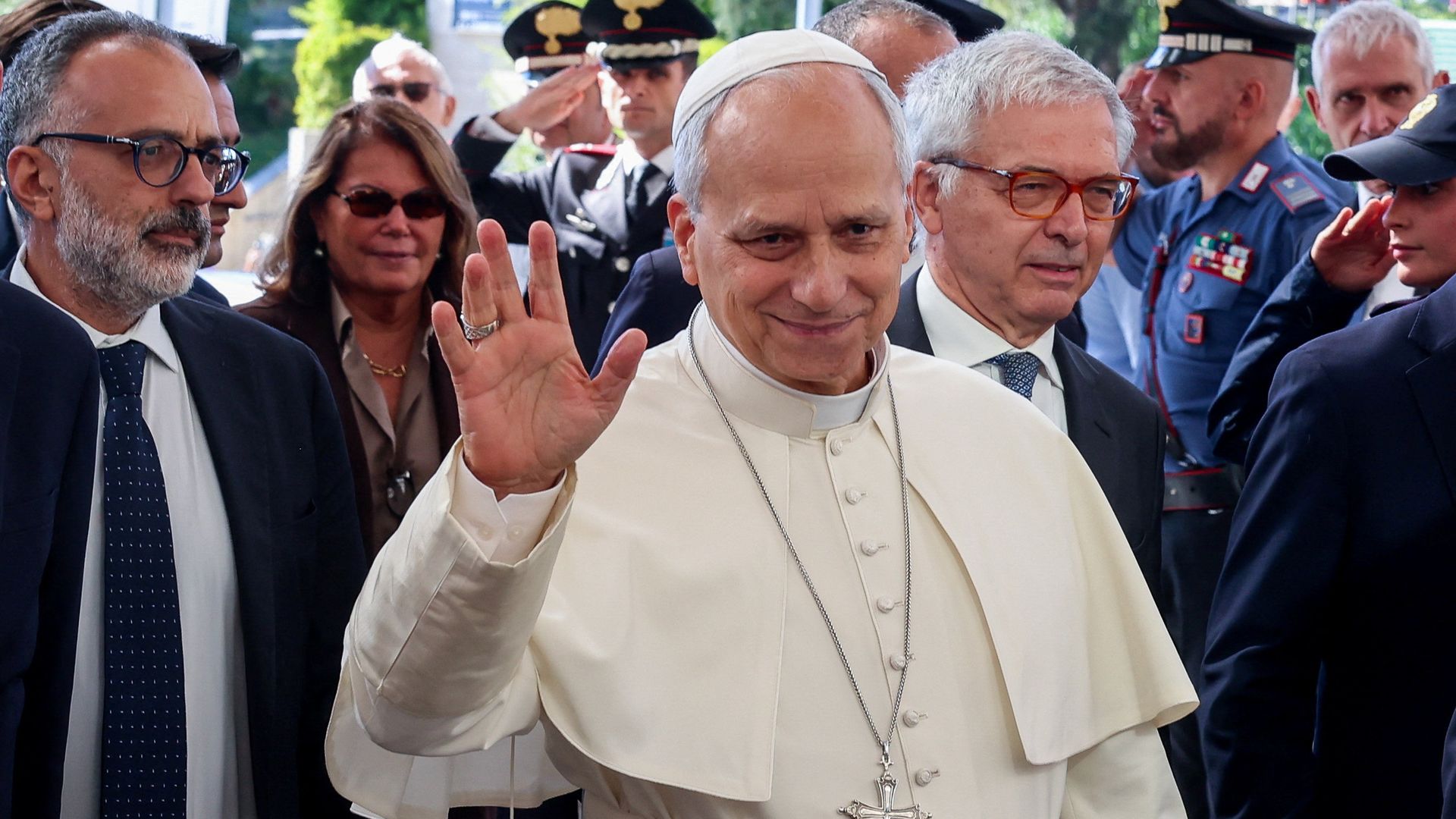
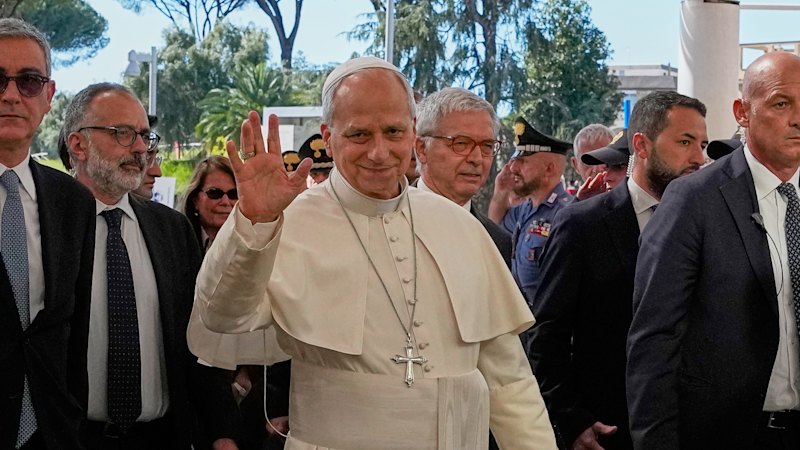
Four days later, he walked out of the hospital's main entrance.
The crowd waiting on the pavement erupted into cheers. It was a scene loaded with historical echoes, recalling the prolonged medical struggles of his predecessor, Pope Francis, whose final months were shadowed by respiratory failure. But Leo’s exit carried a different energy. He smiled, shook hands with well-wishers, and paused to speak with a young girl holding a doll fashioned in his likeness. He was thinner, perhaps, moving with a deliberate and measured caution, but he was standing on his own two feet.
Recovery from thoracic surgery is rarely a straight line. It is a grueling negotiation with scar tissue and diminished lung capacity. Patients often speak of a profound fatigue, a heavy weight pressing against the sternum with every inhalation. For weeks, public engagements were scaled back, replaced by quiet convalescence inside the walls of Vatican City.
Yet, resilience is a muscle.
Weeks after leaving the hospital, Leo boarded a plane for an intense international pastoral tour, traveling across South America. Critics whispered that he was pushing too hard, too fast. Skeptics wondered if a man missing a lobe of his right lung should be navigating the grueling demands of global diplomacy, high-altitude cities, and massive open-air masses.
His response was characteristically blunt. Endurance, he noted, was a gift.
When he touched down in Argentina, meeting with political leaders and challenging them directly on economic justice and the dignity of the working class, his voice was steady. The shadow in his lung had come and gone, but the urgency of his mission remained completely unaltered. He later remarked that his outlook on life and his agenda had not shifted by a single degree.
Medical experts point out that the pontiff's experience highlights a broader, often ignored truth about modern health. Lung cancer is frequently diagnosed late precisely because it hides so well. Thousands of people walk around with silent nodules, mistaking minor fatigue for aging or stress, until it is too late. Leo’s case serves as an accidental public service announcement for preventive screening, a reminder that modern medical technology can intercept fatal trajectories if caught in the window of opportunity.
We spend much of our lives waiting for catastrophe to announce itself with a trumpet blast. We look for grand signs, dramatic warnings, and unmistakable pain before we change our course or pay attention to our bodies.
Instead, the most significant battles of our lives often begin as a tiny, quiet shadow on a screen, discovered entirely by accident on an ordinary Tuesday afternoon. What matters is not the suddenness of the storm, but how quietly and steadily a person learns to breathe after the wind clears.