The world isn't waiting for the West to fix things anymore. Right now, the BRICS foreign ministers are gathering in Delhi, and the vibe is different. It's not just a photo op or a series of polite handshakes. They're tackling the West Asia crisis and energy security with a bluntness we haven't seen in decades. If you think this is just another talk shop, you're missing the point. The Global South is tired of being the supporting cast in a script written in Washington or Brussels.
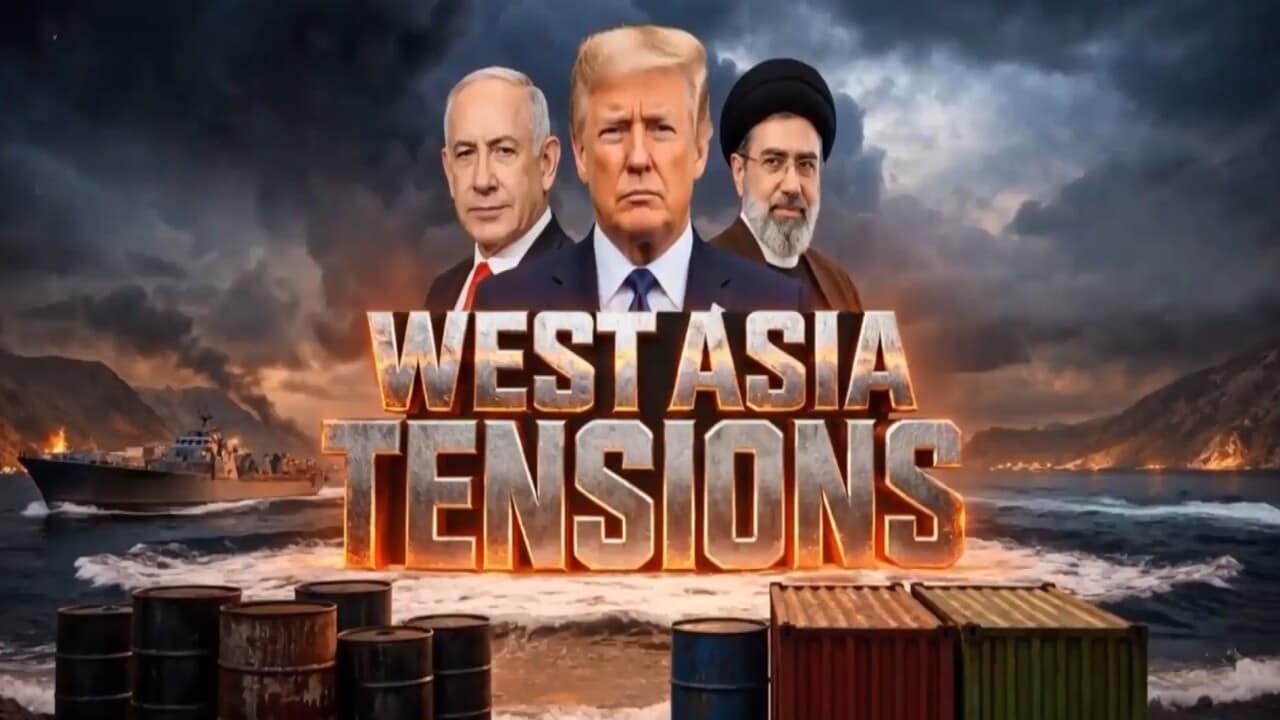
India’s capital is currently the stage for a geopolitical reset. The primary focus is the spiraling instability in West Asia. We’ve seen how traditional diplomacy has largely failed to contain the fires there. Now, the BRICS nations—including the heavyweight newcomers—are trying to carve out a path that doesn't rely on American mediation. It’s about survival as much as it’s about influence.
The West Asia dilemma and the BRICS response
The conflict in West Asia isn't just a humanitarian tragedy. It’s a direct threat to the economic stability of every nation sitting at the table in Delhi. You can’t talk about growth when your primary trade routes are under fire and your neighbors are on the brink of total collapse.
BRICS members are pushing for a more balanced approach to the regional crisis. Unlike the often one-sided stances we see from other global blocs, this group has a unique composition. You have Russia and China, who have their own distinct relationships with regional players, and India, which maintains a delicate balancing act with almost everyone. This meeting is looking for a "third way." They want a ceasefire that actually sticks and a long-term political solution that doesn't just kick the can down the road.
The ministers aren't just issuing "deep concern" statements. They’re discussing actual mechanisms for mediation. They’re looking at how to use their collective economic weight to pressure parties toward the negotiating table. It’s a bold move. It’s also a risky one. If they can’t show results, the skeptics who call BRICS a "club of talkers" will have a field day.
Energy security is the real glue
Let's be real. Ideology is great, but oil and gas keep the lights on. The BRICS foreign ministers’ meet in Delhi to focus on West Asia crisis, energy security isn’t just a catchy headline; it’s a recognition of the group’s massive energy footprint. With Russia, Iran, and the UAE in the mix, BRICS now controls a huge chunk of the world’s energy exports. On the other side, India and China are the world’s biggest consumers.
This meeting is where the buyers and sellers are cutting out the middleman. They’re talking about settling energy trades in local currencies. Imagine the shift if the petrodollar isn't the only game in town. It’s already happening in pockets, but Delhi could be the place where it becomes the formal strategy.
Why the dollar is losing its grip
It’s not just about economics. It’s about sovereignty. When the West uses the financial system as a weapon, other countries get nervous. They don't want their energy supplies or their savings to be subject to someone else's foreign policy.
- Local currency trade: Reducing reliance on the US dollar for oil and gas transactions.
- Energy infrastructure: Building pipelines and grids that connect the bloc internally.
- Technology sharing: Moving toward green energy without being dependent on Western patents.
They’re building a parallel system. It’s messy and complicated, but the intent is clear. They want an energy market that’s insulated from the whims of Western sanctions.
India as the bridge builder
India is in a fascinating spot. Hosting this meet in Delhi puts Prime Minister Modi’s government right in the center of the action. India wants to be the voice of the Global South, but it also wants to keep its "strategic autonomy." It’s a tough act.
India’s ties with the Middle East (or West Asia, as they prefer to call it) are deeper than just oil. There are millions of Indian expats working there. Their safety and the remittances they send back are vital. So, when India talks about stability in West Asia, it’s not being academic. It’s being deeply pragmatic.
The Delhi meeting is also a chance for India to show it can lead a diverse group. You have democracies, autocracies, and everything in between. Keeping this group focused on a common agenda is like herding cats. But if India pulls it off, it cements its status as a true global power.
The expansion factor changes everything
This isn't the BRICS of ten years ago. The expansion has changed the DNA of the group. With Egypt, Ethiopia, Iran, and the UAE now part of the conversation, the group’s influence in West Asia and Africa is undeniable.
This added weight means their statements carry more punch. When they talk about energy security, they’re talking as a bloc that owns the resources and the refineries. They’re no longer just asking for a seat at the table. They’re building their own table.
There are plenty of internal frictions, obviously. Iran and the UAE have their history. China and India have their border issues. But the common denominator is a desire for a multipolar world. They’ve decided that their shared interests in energy and regional peace outweigh their bilateral beefs. At least for now.
What this means for you
You might wonder why a meeting in Delhi matters to your daily life. It matters because the price of the gas in your car and the inflation in your grocery store are tied to these geopolitical shifts. If BRICS succeeds in creating a more stable West Asia and a more independent energy market, it changes the global economic flow.
It also means the era of "unipolarity" is officially over. We’re moving into a world where multiple centers of power dictate the rules. That could mean more stability, or it could mean more fragmentation.
The immediate next steps are clear. Watch for the joint statement coming out of Delhi. Don't look at the flowery language about "friendship." Look for the specific mentions of "payment mechanisms" and "strategic energy reserves." Those are the real indicators of where we’re headed.
If you’re an investor or a business owner, start thinking about a world where the dollar isn't the only reserve currency. Diversification isn't just a strategy anymore; it's a necessity. Pay attention to the trade agreements being signed on the sidelines of these big summits. That's where the new map of the world is being drawn.
The Delhi meet is a loud signal that the Global South is ready to lead. Whether the rest of the world is ready to follow is a different story. But one thing is certain: the old rules don't apply anymore.