The diplomatic machinery of the modern White House operates on a simple premise: transactional leverage can override structural war. When domestic fuel prices surged past historic thresholds, driving political friction ahead of electoral cycles, the administration looked eastward for a quick valve to release the pressure. That valve was Russian diesel.
The strategy relied on a neat political calculation. Pressuring Kyiv to halt long-range drone campaigns against Russian refining infrastructure would preserve Moscow's processing capacity. In return, an unwritten accord with the Kremlin would route hundreds of thousands of metric tons of refined product toward starved Western markets. It was a design born of desperation, treating complex geopolitical friction points as mere supply chain bottlenecks that could be smoothed over with a public appeal. Expanding on this topic, you can also read: The Strategic Geometry of the Red Sea Kill Zone.
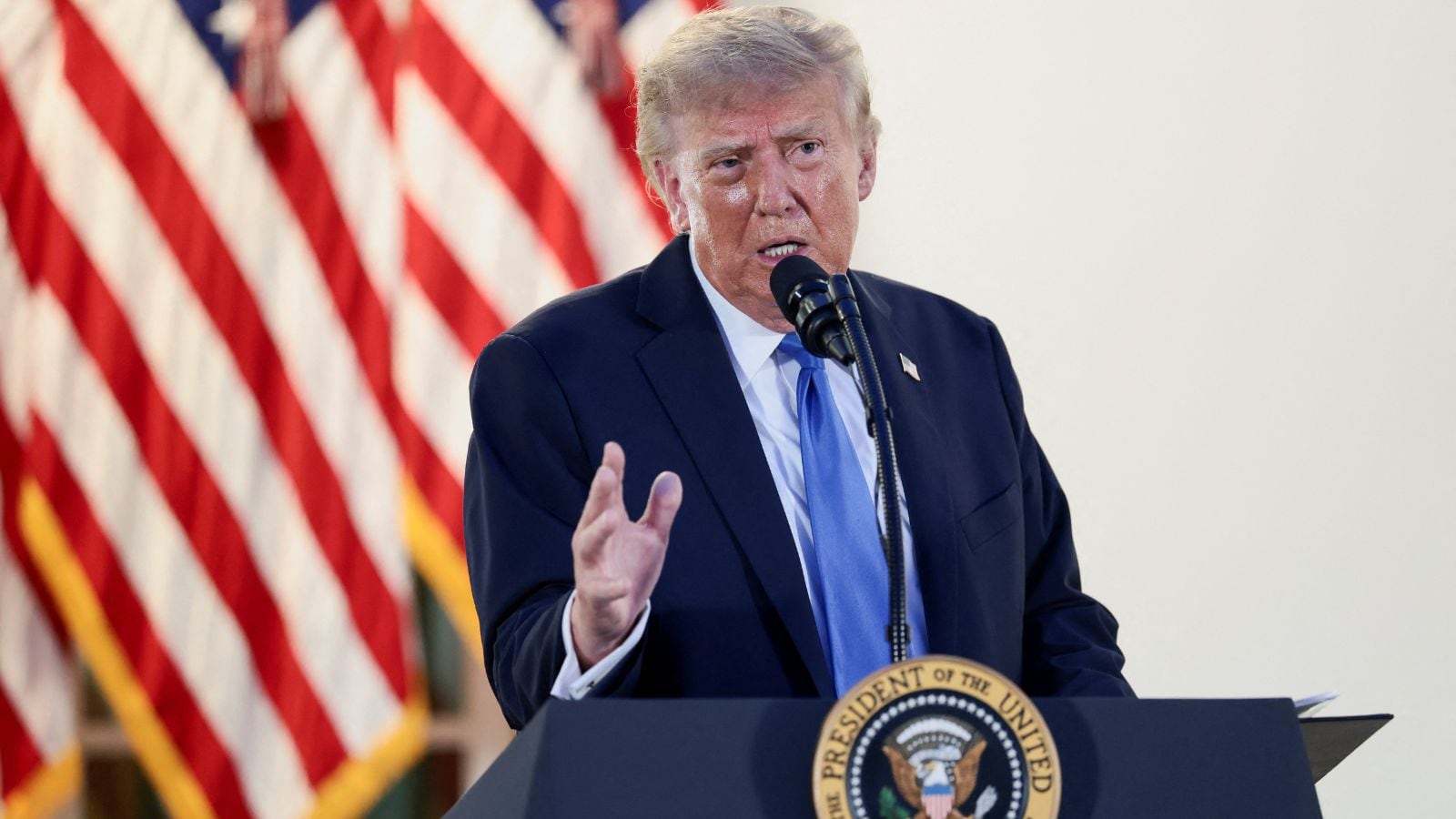
It failed. To understand why it failed requires looking past the rhetoric of presidential microphones and examining the gritty, unyielding mechanics of global maritime trade and industrial warfare.
The Cost of the Drone Blitz
Long before Washington began lobbying for an energy ceasefire, Kyiv's military planners had identified Russia's economic Achilles' heel. Crude oil extraction is difficult to permanently cripple with cheap loitering munitions, but specialized refining units—the intricate distillation towers, catalytic crackers, and hydro-treaters that turn crude into usable diesel—are notoriously fragile. They require Western-patented technology, precise engineering components, and unbroken maintenance cycles. Analysts at TIME have shared their thoughts on this trend.
When Ukrainian authorities resumed targeted strikes following a brief, fragile pause, the operational impact was immediate and severe. A wave of coordinated drone attacks struck key nodes across European Russia, hitting massive processing centers from Ryazan to Kirishi.
Industry trackers estimate that these strikes temporarily knocked out nearly thirty percent of Russia's total refining capacity. For a nation whose domestic transport, agricultural harvesting, and logistical supply chains depend entirely on steady distillate output, the deficit was acute. Moscow was forced to extend export bans on fuel to prevent internal shortages, scrambling to redirect remaining barrels just to keep domestic trucks moving.
The administration’s call for restraint collided with an existential reality in Kyiv. Ukrainian leadership made it clear that halting counter-energy operations was a non-starter so long as Russian missiles continued to systematically smash Ukraine's electrical grid, heating plants, and civilian water systems. A unilateral ceasefire on refinery strikes meant conceding the skies to an adversary while denying oneself the only asymmetric tool capable of imposing economic pain on the Kremlin.
The Phantom Tankers
Even if the tactical drone campaign had frozen overnight, the premise that Russian diesel could easily flow into American ports revealed a profound disconnect from the legal architecture built over years of sanctions.
When the White House announced its understanding with Moscow regarding emergency fuel releases, oil traders and maritime insurers did not see an opening; they saw a legal minefield. Congressional sanctions on Russian energy imports remain firmly codified into law. Compliance officers at major shipping firms and international trading houses are bound by strict liability rules that carry multi-million-dollar penalties and potential criminal exposure for violating sanctions regimes.
A verbal or informal understanding between heads of state does not override a statutory trade embargo. Consequently, tankers loaded with Russian product found themselves lingering in open waters or forced to alter courses because buyers refused to touch cargo tainted by compliance risk. The theoretical barrels promised by the Kremlin amounted to a tiny fraction of daily consumption, and virtually none of that fuel cleared customs in the United States.
Traders acted rationally. In a market governed by federal oversight and stringent financial tracking, corporate risk management departments routinely override diplomatic optimism. The tankers drifted, insurance underwriters balked, and domestic fuel pumps saw no relief.
The Anatomy of Market Reality
The episode underscores a persistent hazard in modern economic statecraft: the temptation to treat energy commodities as infinitely malleable variables that respond instantly to political commands. Global diesel markets are shaped by long-term refining margins, complex shipping logistics, insurance availability, and the blunt force of legislative sanctions.
When political leaders attempt to bypass these structural realities with quick fixes, the market responds not with compliance, but with friction. Ukraine's insistence on defending its infrastructure through strategic disruption, combined with the unyielding architecture of Western sanctions, proved far more durable than an ephemeral diplomatic arrangement crafted under electoral pressure.
The diesel remains trapped by law, the refineries remain scarred by drone impacts, and the underlying vulnerability of global supply chains persists without a shortcut in sight.