Geopolitics rarely suffers a clean slate. When the historic administration of Sheikh Hasina collapsed in August 2024, the tectonic plates of South Asian diplomacy shifted overnight. Dhaka’s transition into an interim phase and subsequent political realignments exposed deep-seated anxieties that New Delhi’s foreign policy apparatus had long preferred to ignore. The prevailing narrative in diplomatic corridors suggests an eager, mutual desire for a clean break and a functional reset in bilateral ties.
The reality on the ground is far more jagged. Beneath polite Ministry of External Affairs communiqués and cautious handshakes lies a profound structural deficit of trust. A durable diplomatic reconciliation cannot happen through rhetoric alone when both capitals are trapped by historical baggage, domestic political survival games, and conflicting security paradigms. For a deeper dive into similar topics, we recommend: this related article.
The Anatomy of the Trust Deficit
For over a decade, New Delhi’s strategy in Dhaka suffered from a dangerous singularity of vision. Indian foreign policy stakeholders bet heavily on a single political entity, tying their strategic equities directly to the longevity of the Awami League. When that administration imploded under the weight of a student-led mass uprising, the blowback hit Indian interests with immediate and severe velocity.
Ordinary citizens in Bangladesh perceived New Delhi not merely as a neighbor, but as an active guarantor of an entrenched domestic regime. That perception calcified anti-establishment frustrations into widespread public resentment against India. For further context on this topic, detailed reporting can also be found on NBC News.
When interim and newly elected leaderships in Dhaka stepped up to steady the ship, they faced an immediate political imperative: signal strategic autonomy. To prove to a skeptical domestic electorate that Dhaka does not take marching orders from foreign capitals, leaders found political utility in distancing themselves from New Delhi. Every delay in consular dialogues, every canceled trade checkpoint, and every sharp rhetorical jab from political platforms serves a domestic audience that demands proof of independence. Sovereignty, in the wake of a revolution, must be performed loudly.
The Shadow of Exiles and Extraditions
At the center of the diplomatic gridlock sits a combustible human factor. The physical presence of former Prime Minister Sheikh Hasina in the National Capital Region of India remains a persistent irritant for Dhaka.
For the administration in Bangladesh, prosecuting or securing the return of figures linked to the violent crackdowns of 2024 is a non-negotiable test of political legitimacy. For New Delhi, handing over a long-standing ally who sheltered Indian security interests for fifteen years presents an acute strategic and moral dilemma.
Publicly ignoring the extradition requests only deepens suspicions in Dhaka. Meanwhile, allowing high-profile political statements to emanate from exile fans the flames of domestic instability across the border. This standoff turns a legal question into a zero-sum game of political pride. Neither side can back down without absorbing severe domestic political costs.
The Geopolitical Squeeze
Compounding these bilateral frictions is the gravitational pull of alternative partnerships. Dhaka’s post-2024 calculus explicitly includes diversifying its external dependencies. Beijing has moved aggressively to fill economic voids, expanding infrastructure investments and defense procurement channels that complicate India’s security architecture in its immediate periphery.
When smaller regional economies play great powers against one another, the margin for diplomatic error shrinks rapidly. India views its eastern frontier through an uncompromising lens of national security, particularly regarding the vulnerability of its narrow land corridor connecting the northeastern states. When Dhaka flirts with security arrangements or economic frameworks involving extra-regional rivals, New Delhi reacts with predictable apprehension.
Yet, treating Bangladesh as a security buffer rather than an equal economic partner only accelerates the drift. Economic interdependence—textiles, energy grids, and regional transit—remains vast, but commerce cannot insulate itself indefinitely from toxic political friction.
Moving Past the Performance of Diplomacy
If a genuine reset is to materialize, both governments must abandon the theater of public posturing. New Delhi needs to accept that Bangladesh’s political spectrum has permanently fractured; the old status quo is gone, and dealing exclusively with a single political faction is a dead strategy. Engagement must institutionalize across a broad cross-section of civic and political leadership to build multi-party durability into the relationship.
Simultaneously, Dhaka must recognize that geographical reality dictates cooperation. Shouting matches over regional transit or weaponizing historical narratives for short-term political posturing will do nothing to solve domestic inflation, employment crises, or infrastructural bottlenecks.
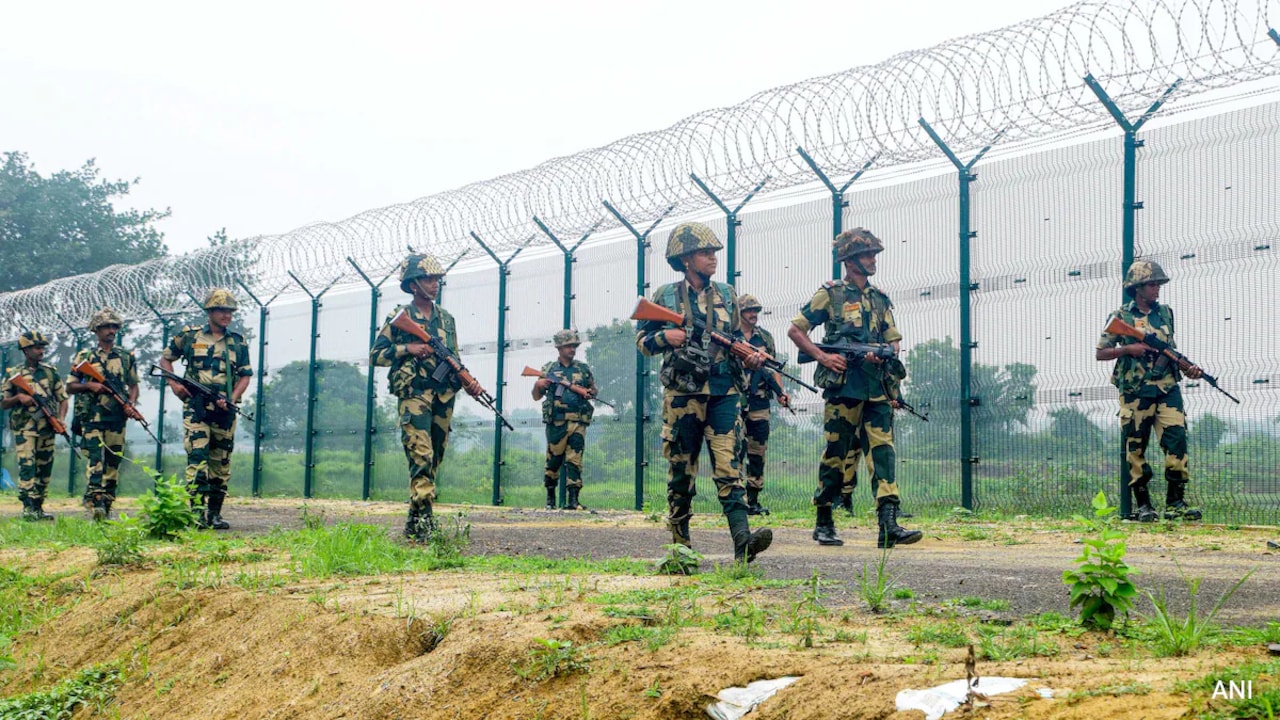
A hard-hitting assessment of the ledger reveals that neither country can afford a hostile neighbor. Water-sharing treaties, border management, and cross-border trade are technical necessities that transcend political regime cycles. Until both capitals stop viewing every diplomatic concession as a zero-sum defeat, the bilateral relationship will remain hostage to the ghosts of its recent past, lurching from crisis to manufactured crisis while the strategic environment grows increasingly hostile around them.