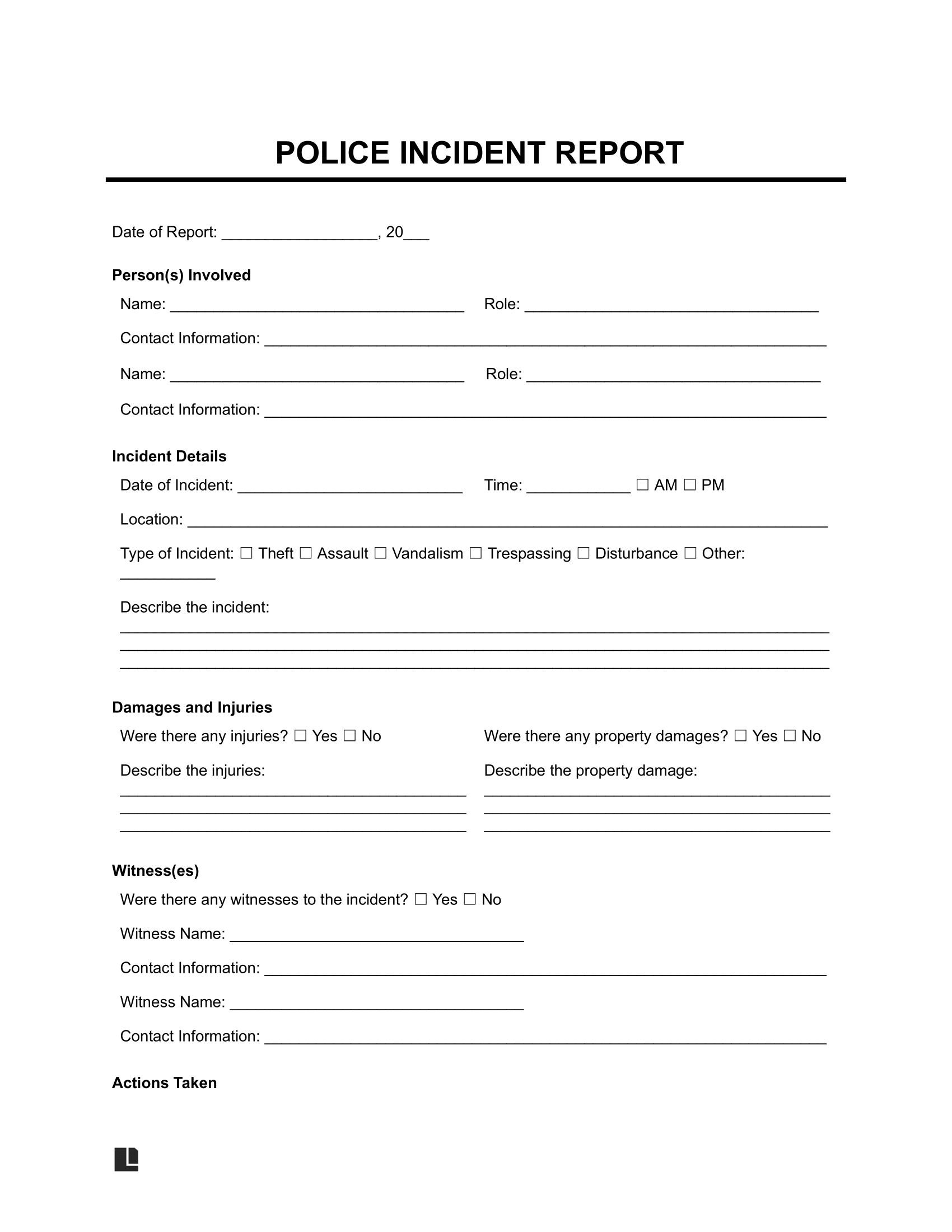
Montreal-North Borough Mayor Christine Black recently took to social media with a direct appeal, urging local residents to formally report incidents of systemic racism and profiling involving the Montreal police department (SPVM). The call to action follows a series of high-profile altercations and a long-standing friction between the community and local law enforcement. While the administration presents this initiative as a step toward accountability, an examination of the borough’s history and reporting mechanisms reveals a more complicated reality. Forcing the burden of proof onto a marginalized population rarely fixes a systemic breakdown.
The strategy relies on citizens utilizing existing oversight bodies, such as the Police Ethics Commissioner or the Quebec Human Rights and Youth Rights Commission. However, community organizers and legal experts argue that these platforms are historically underutilized not due to a lack of incidents, but because of deep-seated skepticism regarding their efficacy.
The Reality of the Reporting Gap
Asking citizens to report police misconduct assumes the system in place is accessible, safe, and effective. In Montreal-North, where visible minorities make up over 41% of the population according to census data, that assumption clashes with decades of lived experience.
The process of filing a formal complaint against an officer is notoriously adversarial. A resident must navigate bureaucratic channels, recount potentially traumatic events to investigators, and face the prospect of retaliation or prolonged legal scrutiny. For a young Black or Arab man in the borough—demographics statistically targeted at disproportionate rates—the risk often outweighs the perceived benefit.
Data from the Police Ethics Commissioner indicates that only a small fraction of filed complaints ever result in disciplinary action. Between 2020 and 2023, fewer than 10% of complaints submitted statewide led to formal citations or citations before the Ethics Tribunal. The vast majority are dismissed during the initial conciliation or investigation phases. This low success rate sends a clear signal to the community that the process is designed to protect the institution rather than vindicate the citizen.
Institutional Memory and the Ghost of 2008
You cannot understand the current tension in Montreal-North without looking back to August 2008. The fatal shooting of 18-year-old Fredy Villanueva by an SPVM officer in a local park ignited riots and exposed a profound rift between the neighborhood and the state. The public inquiry that followed yielded dozens of recommendations aimed at reforming police practices, eliminating racial profiling, and improving community relations.
Nearly two decades later, many of those recommendations remain unfulfilled or half-implemented.
The Limits of Body-Worn Cameras
The introduction of body-worn cameras was heralded as a definitive solution to accountability. The reality has been far less definitive. In Montreal, the rollout faced years of delays, union pushback, and debates over data privacy. Even when cameras are active, the policies governing who controls the footage, when it can be released to the public, and how it is used in disciplinary hearings heavily favor the department.
Footage frequently remains confidential during ongoing investigations, keeping the public in the dark for months or years. A camera is only as objective as the policy governing its footage.
The Stop and Document Policy
In 2020, the SPVM introduced a new policy regarding street checks, requiring officers to justify why they are stopping a citizen and to document the interaction. This was a direct response to an independent study showing that Black and Indigenous people in Montreal were four to five times more likely to be stopped than white citizens.
While the policy looks good on paper, enforcement is uneven. Officers retain significant discretion in defining what constitutes a "valid reason" for an interaction. Without strict, independent auditing of these stop reports, the policy serves as an administrative veneer rather than a genuine constraint on biased policing.
The Strategy of Shifting Responsibility
When politicians implore citizens to report racism, they subtly shift the responsibility of reform from the institution to the victim. It becomes the citizen's duty to document their own subjugation, to gather evidence, and to present it to a system that has historically rejected their testimony.
This approach ignores the power imbalance inherent in any interaction between a civilian and an armed agent of the state.
[Citizen Experiences Misconduct]
               │
               ▼
   [Bureaucratic Filing Process] ──► Requires Legal Literacy & Time
               │
               ▼
   [Internal/Oversight Review]    ──► Historically Low Citation Rates (<10%)
               │
               ▼
   [Potential Retaliation Risk]   ──► Discourages Future Reporting
Community groups like Hoodstock, an organization founded in the wake of the Villanueva shooting, argue that the borough does not need more data collection. The data already exists. Numerous reports, academic studies, and human rights commission rulings have documented the reality of racial profiling in Montreal-North. What is missing is the political will to enforce consequences for officers who violate civil rights.
Independent Oversight Versus Internal Affairs
True accountability requires an oversight mechanism that is entirely independent of the police infrastructure. Currently, when a serious incident occurs involving injury or death, the Bureau des enquêtes indépendantes (BEI) takes over. While the BEI is staffed by civilian investigators, many are former law enforcement officers, leading to persistent questions about their neutrality.
For lesser offenses, including verbal abuse and discriminatory street checks, complaints are handled internally or through the slow-moving police ethics system. This setup creates a conflict of interest. A department tasked with maintaining internal morale and defending its officers in public is poorly suited to aggressively investigate those same officers on behalf of marginalized citizens.
The Economic and Social Subtext
Montreal-North is one of the poorest boroughs on the Island of Montreal. High unemployment rates, a lack of affordable housing, and underfunded social services create an environment where the police are often deployed as a blunt instrument to manage social crises rather than solve them.
When a community is under-resourced, municipal governments frequently rely on law enforcement to handle issues stemming from mental health crises, homelessness, and youth disenfranchisement. This over-policing of poverty inevitably leads to increased friction, higher stop rates, and the very incidents of profiling that Mayor Black is now asking residents to report.
Investing in community infrastructure, youth centers, and localized mental health crisis teams would do more to reduce negative police interactions than any reporting campaign. By treating profiling as an individual issue to be reported case-by-case, leadership avoids dealing with the structural poverty that drives over-policing.
Moving Beyond Rhetoric
If municipal leadership wants to restore trust, it must move past symbolic gestures and requests for citizen cooperation. Accountability cannot be crowdsourced.
The borough administration and the city of Montreal have the authority to demand stricter performance metrics from the SPVM local commanders. They can tie precinct funding to measurable reductions in disproportionate street checks. They can advocate for changes to the collective bargaining agreement that make it easier to fire officers found guilty of racial discrimination by the Human Rights Commission.
Until those concrete administrative actions are taken, asking residents to file more reports is simply asking them to participate in a system that has repeatedly failed them. Trust is built through structural consequences, not public relations campaigns.