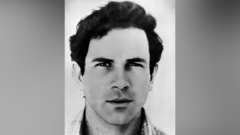
History is often written in ink, but it is cast in bronze to ensure we never forget the weight of a single second.
July 4, 1976. The air in Entebbe, Uganda, was thick with the scent of diesel and tropical rain, broken suddenly by the scream of Israeli C-130 Hercules engines touching down on the tarmac. Operation Thunderbolt was swift, violent, and precise. Hostages trapped by hijackers inside an old airport terminal were pulled from the jaws of a nightmare. But every rescue extracts a toll. Among the commandos storming the terminal was Lieutenant Colonel Yonatan Netanyahu. He did not come back.
Decades later, the tarmac has changed. The airport has grown. Yet the ghost of that midnight raid lingers in the geography of international memory. Recently, the government of Uganda unveiled a monument honoring the fallen Israeli commander, an act that bridges a chasm of nearly fifty years with the heavy, enduring gravity of metal and stone.
To understand why a bronze likeness matters now, you have to strip away the geopolitical chessboards that textbook historians love to build. You have to look at the human cost.
Imagine standing on that airfield in the pitch dark. The roar of the engines is deafening. Fear is not an abstract concept; it tastes like copper and cold sweat in the mouth. When Netanyahu stepped off that ramp, he carried the hopes of a nation thousands of miles away, yet his immediate world narrowed down to a few yards of concrete, a doorway, and the split-second decision that separates life from a permanent silence.
Monuments are rarely just about the past. They are mirrors for the present.
When nations choose to remember their adversaries turned partners, something shifts in the diplomatic atmosphere. Uganda and Israel share a complex history, bound tightly by the dramatic events of that summer night. Erecting a statue to the brother of a sitting prime minister is not merely an aesthetic choice. It is a deliberate narrative pivot. It acknowledges that even in the darkest conflicts, acts of extraordinary resolve leave marks that future generations must confront, interpret, and ultimately integrate into their shared identity.
Consider what happens when we visit places where history pivoted.
Travelers landing at Entebbe International Airport today walk through a modern hub of East African commerce and tourism. They see the lush greenery of the Ugandan countryside, feel the warmth of the equatorial sun, and perhaps buy a cup of local coffee in the terminal. Most will rush past without knowing the blood-soaked soil beneath the concrete. But memory has a way of anchoring itself to physical spaces. A plaque here, a statue there—these markers serve as speed bumps for the collective consciousness. They force the hurried traveler to pause and ask a fundamental question: What does it cost to keep people safe?
Yonatan Netanyahu became a symbol long before this statue was cast. In Israel, his letters home transformed him from a military statistic into a deeply reflective human being caught in the machinery of history. He wrote of his dread, his love for his family, and his profound burden of responsibility. Those letters revealed a man who did not romanticize war, even as he mastered it.
That duality is what makes the Ugandan monument compelling. It does not glorify the violence of the raid. Instead, it captures the tragic permanence of loss.
Bronze does not bleed. Bronze does not feel the ache of a grieving family or the political tremors of a botched rescue. But it stands firm against the erosion of time. It tells anyone willing to look that actions taken in the dead of night can ripple across continents for half a century, binding distant nations in a tangled web of shared trauma and reluctant respect.
We live in an era that craves instant resolution, quick summaries, and clean boundaries between heroes and villains. History refuses to cooperate. It is messy, contradictory, and stubbornly human.
When the veil was pulled from the monument in Entebbe, it revealed more than the likeness of a fallen soldier. It exposed the fragile, enduring bridge between enmity and reconciliation. It suggested that even after the gunfire fades and the political storms clear, what remains are the quiet spaces where we choose to remember who we were, what we lost, and how far we have traveled since the night the sky over Uganda caught fire.