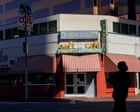
Iconic Los Angeles diners do not die because people stop loving pancakes. They die because a 1950s real estate and labor model cannot survive modern Southern California commercial property taxes, triple-net leases, and food inflation—and when they are resurrected, it is rarely out of pure civic charity. A revival only works when new operators fundamentally re-engineer the back-of-house economics while keeping the front-of-house nostalgia intact.
For decades, the classic LA coffee shop—defined by Googie architecture, sweeping cantilevered roofs, neon signage, and vinyl booths—operated as the city’s unofficial town square. Places like Pann’s, Norms, Johnie’s, and the Original Pantry Cafe were built on a straightforward formula. Land on major boulevards like La Brea, Wilshire, or Figueroa was cheap. Labor costs were predictable. High table turnover combined with low-cost staples—eggs, flour, coffee, potatoes—generated steady, reliable cash flow around the clock.
That math broke long before the headlines announced the closures.
The Structural Collapse of the 24-Hour Coffee Shop
When a beloved Los Angeles diner shutters, the public narrative usually blames a single villain. Sometimes it is a greedy landlord. Other times it is a pandemic, a minimum wage hike, or changing neighborhood demographics. The reality on the ground is far less romantic and much more systemic.
Consider the mechanics of commercial real estate appreciation. Many legacy LA diners were opened by families who either bought the underlying dirt in the mid-twentieth century or locked into decades-long ground leases. As Los Angeles urbanized and property values along transit corridors skyrocketed, the land beneath a single-story diner with a surface parking lot became worth infinitely more than the business operating on top of it.
When a family patriarch retires or passes away, the heirs face a stark financial calculation. They can continue grinding out a 4 to 6 percent net profit margin in one of the most grueling industries on earth, managing twenty-four-hour staffing schedules and aging kitchen equipment. Or they can sell the parcel to a mixed-use developer for eight figures and walk away. For a third-generation operator watching their margins evaporate, selling the dirt isn't a betrayal of the city's heritage. It is basic fiduciary survival.
Even when the property isn't sold, the triple-net lease structure—where the tenant pays property taxes, building insurance, and maintenance on top of base rent—acts as a slow-motion executioner. Under California’s Proposition 13, long-time property owners enjoy capped property tax assessments. The moment a building changes hands, the tax basis resets to current market value. A sudden spike in property taxes gets passed directly to the restaurant operator, instantly turning a profitable neighborhood institution into a money-losing liability.
The Death of the Late-Night Shift
The second pillar of the traditional diner model was volume across all dayparts. A classic coffee shop relied on breakfast to pay the rent, lunch to cover labor, dinner to pay for utilities, and the graveyard shift to generate pure profit.
That fourth daypart has largely vanished across Los Angeles. Post-2020 shifts in nightlife, remote work, and commuter patterns hollowed out late-night foot traffic. Running a full kitchen at 3:00 AM requires a minimum baseline of cooks, dishwashers, and servers regardless of whether three tables or thirty tables are occupied. When labor rates climb and late-night customer counts drop by half, keeping the neon sign lit all night becomes financially suicidal. Most "24-hour" diners in Southern California quietly quietly trimmed their hours years ago, permanently capping their daily revenue ceiling while their fixed overhead continued to climb.
Why Nostalgia Alone Cannot Pay the Bills
Every time a historic diner closes in Los Angeles, a predictable wave of public grief follows. Preservationists circulate petitions. Hollywood directors and local food writers publish eulogies about losing the soul of the city. People line up around the block during the final weekend of service, buying souvenir mugs and taking selfies under the neon sign.
Then the doors lock, and reality sets in. Nostalgia does not pay purveyors.
If you take an iconic diner that went bankrupt selling a $12 steak-and-eggs plate, hand the keys to a well-meaning preservationist, and tell them to keep the exact same menu at the exact same prices, the restaurant will go bankrupt a second time within eighteen months. The fundamental unit economics have shifted. Wholesale egg prices fluctuate wildly due to supply chain shocks. Cooking oil, beef, dairy, and paper goods cost substantially more than they did a decade ago. Meanwhile, compliance costs in Los Angeles—from health department mandates to municipal fees and liability insurance—create a high floor of fixed expenses before a single customer sits down.
To survive an improbable rebirth, a historic diner cannot simply reopen. It has to be rebuilt from the inside out as a modern hospitality business wearing a vintage disguise.
The Playbook for an Improbable Rebirth
When a shuttered LA diner successfully comes back from the dead, look closely at who is writing the checks and how they restructured the operation. Successful revivals almost always rely on a specific set of operational pivots that the original owners either could not or would not make.
1. Upgrading the Menu Without Alienating the Regulars
A modern diner revival cannot survive on bottomless $2 coffee and loss-leader breakfast specials. New operators have to raise the average check size without triggering a revolt from longtime locals who remember when a patty melt cost six dollars.
They achieve this through menu barbell pricing. The entry-level staples remain visible on the menu to anchor the restaurant's identity—you can still get two eggs, hash browns, and toast at a relatively accessible price point. However, those items are paired with higher-margin offerings that justify modern Los Angeles pricing. Think dry-aged beef burgers, locally sourced sourdough, house-cured bacon, or artisanal coffee programs. By sourcing better ingredients, the operator earns permission to charge $18 to $24 for a plate instead of $11, restoring the gross margin necessary to cover downtown or Westside labor rates.
2. Monetizing the Brand Beyond the Booth
Legacy diners made money one way: selling food on a plate. Modern hospitality groups view an iconic diner as an intellectual property asset with multiple revenue streams.
- Film and Television Location Fees: Los Angeles remains a production hub, and authentic mid-century Googie architecture is irreplaceable on camera. A single day of location shooting can bring in tens of thousands of dollars in pure profit—often more than the restaurant would net in an entire month of selling pancakes. Savvy operators actively market their dining rooms to location scouts and build filming schedules into their annual financial projections.
- Alcohol and Beverage Programs: Traditional coffee shops rarely leaned hard into high-margin alcohol sales. Revived diners frequently introduce a tight, retro-themed cocktail list, local craft beers, and spiked milkshakes. A $16 classic martini carries an 80 percent profit margin, effortlessly subsidizing the razor-thin margins on a plate of scrambled eggs.
- Retail and Merchandise: When an institution has genuine cultural cachet, people want to wear the logo. High-margin hats, heavyweight T-shirts, branded coffee beans, and bottled hot sauces turn passive diners into walking billboards while adding incremental cash flow with zero kitchen labor attached.
3. Back-of-House Engineering
Walk into a revived LA diner and the Naugahyde booths, Formica counters, and terrazzo floors look untouched. Walk through the swinging doors into the kitchen, and everything is different.
Older diners frequently bled money through inefficient kitchen layouts, obsolete refrigeration that spiked utility bills, and manual inventory tracking that invited food waste. Modern operators gut the kitchen infrastructure during the renovation phase. They install high-efficiency equipment, streamline the prep line to reduce the number of cooks required per shift, and implement modern point-of-sale systems that track ingredient costs down to the penny in real time. They keep the vintage aesthetic where the customer sees it, and install ruthless modern efficiency where the customer doesn't.
The Gentrification Paradox of Diner Revivals
There is an uncomfortable truth at the center of almost every celebrated diner comeback in Los Angeles. Saving the building often means pricing out the exact community that made it an institution in the first place.
For decades, the classic LA coffee shop was the great equalizer. A studio executive, a night-shift nurse, a construction worker, and a retired pensioner could sit at the same counter and afford the same meal. It was a true third place—accessible, unpretentious, and economically democratic.
When a well-capitalized restaurant group, a celebrity investor, or a real estate developer steps in to rescue a dying diner, the capital expenditure required to bring a 70-year-old building up to modern seismic, ADA, and health codes is massive. You do not spend two million dollars renovating a historic landmark just to sell five-dollar breakfasts.
As a result, the reborn diner inevitably shifts upmarket. The menu gets curated. The wait times stretch out on weekend mornings as brunch crowds replace daily counter regulars. The physical structure is saved from the wrecking ball, and the neon sign still glows over the boulevard, which counts as a major victory for architectural preservationists. Yet for the neighborhood retiree who used to nurse a cup of coffee and read the paper there every morning for thirty years, the diner they loved is still gone.
What Determines Which Diners Survive
Not every shuttered coffee shop gets a second act. Across Los Angeles County, dozens of once-popular diners sit behind chain-link fences, waiting to be scraped for luxury apartments or drive-thru chains. The few that beat the odds usually share three non-negotiable advantages.
First, architectural distinction. A generic stucco box from the 1970s rarely inspires the civic outrage or investor interest needed for a rescue. Buildings with unmistakable mid-century design—boomerang roofs, dramatic stonework, wraparound glass, and towering neon—carry built-in marketing value that cannot be replicated from scratch.
Second, control of the real estate. A revival is nearly impossible if the operator is at the mercy of a short-term commercial lease with an aggressive landlord. The most durable comebacks happen when the new operator buys the building outright, partners directly with a preservation-minded property owner, or secures a multi-decade lease with predictable rent escalations.
Third, cultural specificity. The diners that endure are rarely generic. They have an unmistakable identity tied to their specific corner of Los Angeles—whether that is a downtown institution serving politicians and union workers since the 1920s, a Hollywood booth where screenwriters still pitch scripts, or a neighborhood staple serving distinct regional comfort food alongside classic American diner fare.
The romance of the Los Angeles diner will always dominate the press releases when a beloved spot reopens its doors. Journalists will write about the restored vinyl, the original recipes, and the triumph of neighborhood spirit over corporate development. Those stories feel good to read, and parts of them are true. Underneath the nostalgia, however, the survival of LA's coffee shop culture comes down to something much harder and less sentimental: whether the people holding the keys understand that preserving history requires rewriting the math.


