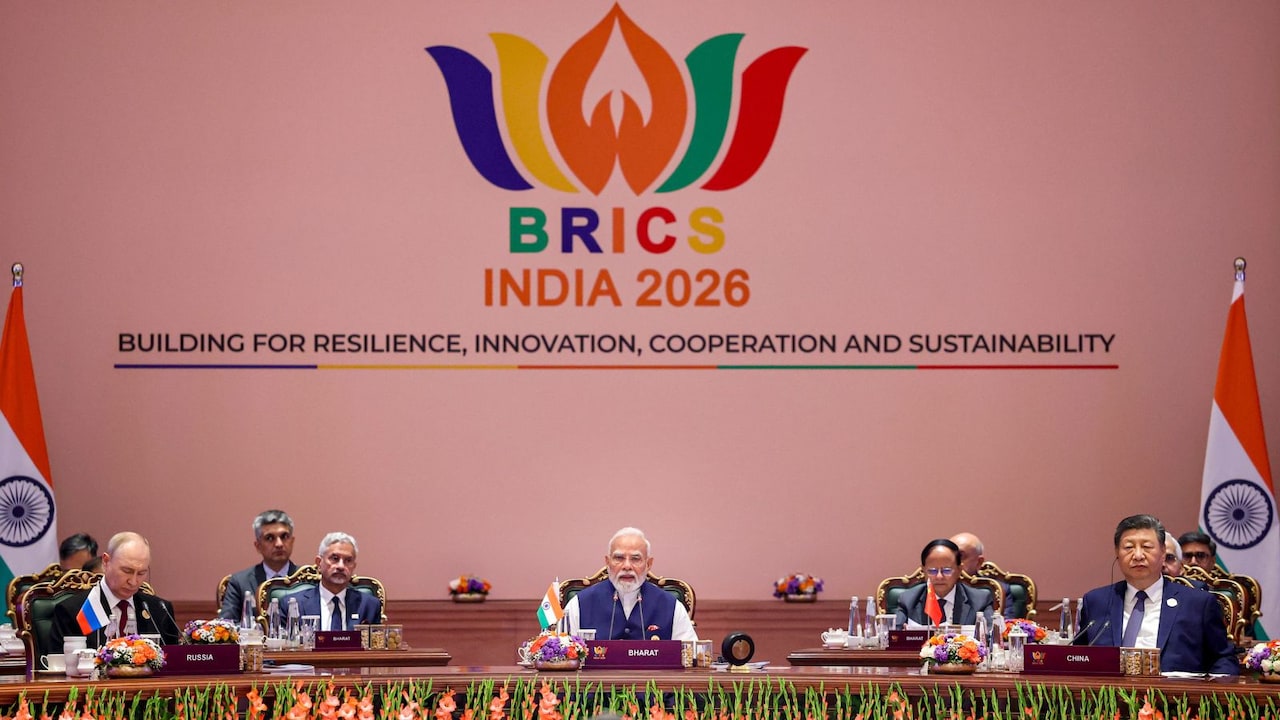
Geopolitical leverage rarely arrives with the sound of gunfire. More often, it arrives quietly, buried inside the processing manifests of industrial grey powders and rare earth elements that power modern civilization. When Prime Minister Narendra Modi stood before an international summit in New Delhi and issued a direct warning against the weaponisation of critical minerals, the diplomatic veneer barely masked a harsh, multi-billion-dollar reality. With Chinese leadership sitting in the room, the message targeted an absolute industrial bottleneck. Beijing holds a vice-like grip over the refining and processing infrastructure of the elements that sustain everything from electric vehicle batteries to advanced defense guidance systems.
The underlying mechanics of this vulnerability are straightforward. Mining a raw metal is only the first step of a complex industrial journey. The real power rests in the intermediate processing and refining stages, where raw ores are transformed into high-purity compounds and permanent magnets. China dominates roughly ninety percent of rare earth refining capacity and holds commanding leads across lithium, cobalt, and graphite processing. This centralization means that any trade friction, geopolitical dispute, or regulatory shift can instantly translate into paralyzed assembly lines half a world away.
For developing economies and rising manufacturing powerhouses alike, this reliance creates an invisible ceiling. Nations attempting to scale up green energy transitions or domestic electronics manufacturing find themselves structurally tethered to a single dominant supplier. When export licensing controls tighten or customs clearances slow down for critical inputs, downstream industries absorb the shock immediately. The phrase "supply chain resilience" has become corporate and diplomatic shorthand for a frantic scramble to break free from this architectural trap.
Governments are slowly waking up to the math of the crisis, though financial commitments often lag behind geopolitical rhetoric. Capital expenditure support schemes and state-backed processing incentives are beginning to emerge to build domestic capacity for elements like lithium and nickel. Yet building an independent ecosystem from scratch requires years of heavy capital allocation, complex environmental clearances, and specialized chemical engineering expertise that cannot be improvised overnight.
The struggle for control over these raw materials defines the economic boundaries of the current decade. Nations that fail to secure independent processing lines will remain permanently exposed to the whims of foreign trade policy.
The industrial baseline has shifted permanently, and raw material access is no longer treated as a routine commercial transaction. It is the ultimate instrument of statecraft.