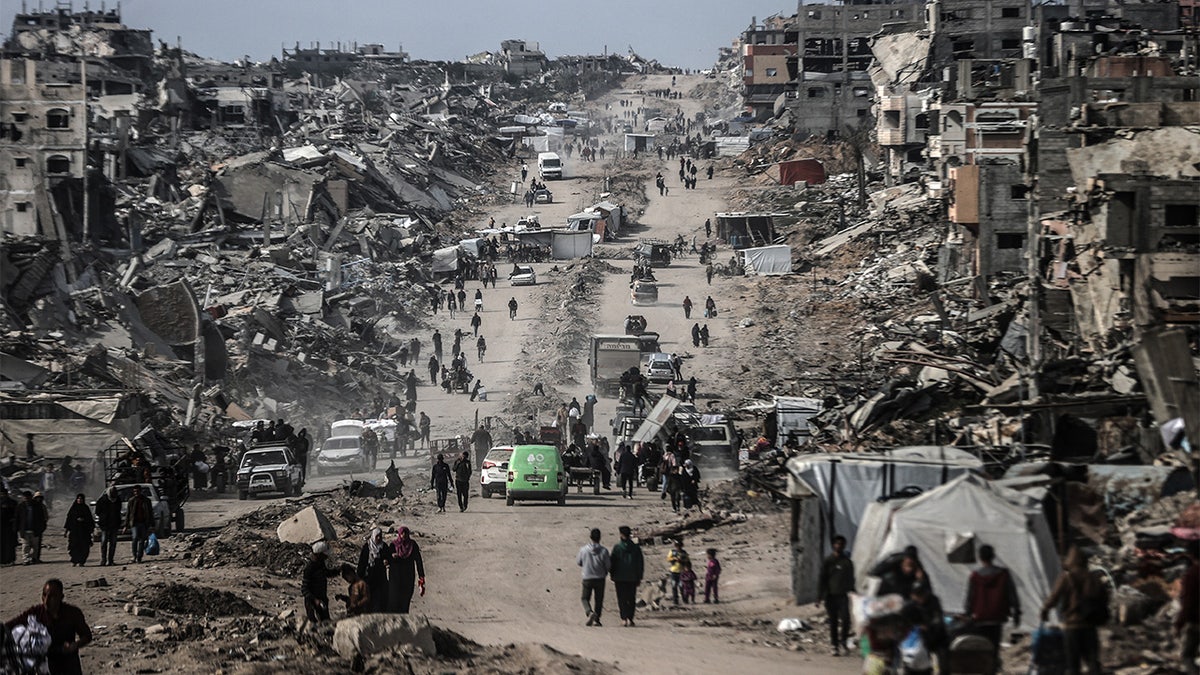
The map of Mali is dissolving. While the international community watches with a mix of exhaustion and indifference, the central government in Bamako has effectively lost its grip on the northern and central territories. This is not just a standard insurgency. It is a dual-pronged assault by Tuareg separatists seeking a homeland they call Azawad and jihadist factions linked to Al-Qaeda and the Islamic State. Together, they have turned the Sahel into a graveyard for foreign intervention and a laboratory for permanent instability.
The collapse didn't happen overnight. It is the result of a catastrophic failure of governance, the hasty withdrawal of Western peacekeeping forces, and a misguided reliance on Russian mercenaries who have proven more adept at brutality than border security. Mali is now a place where the lines between political rebellion and religious extremism blur into a single, bloody reality.
The Mirage of Sovereignty in the North
For decades, the Tuareg people have felt abandoned by the distant capital. They see themselves as culturally and ethnically distinct from the southern populations that dominate the government. Their latest rebellion, spearheaded by the Permanent Strategic Framework (CSP), is fueled by a sense of betrayal. They believe the 2015 Algiers Peace Accord is dead, and the military junta that seized power in 2020 has no intention of reviving it.
When the junta demanded the departure of the United Nations peacekeeping mission (MINUSMA) and French troops, they claimed it was to reclaim their pride. Instead, they created a vacuum. Without a neutral buffer, the Malian Armed Forces (FAMa) attempted to push north into Kidal, a symbolic Tuareg stronghold. They succeeded in taking the town, but the victory was hollow. They don't control the roads. They don't control the desert. They only control the ground beneath their boots, and even that is contested every night.
The Tuareg are fighting for land. They are experienced, mobile, and deeply familiar with the harsh terrain of the Adrar des Ifoghas mountains. Unlike the government forces, they do not need complex supply chains to survive. They are part of the landscape. Every time the Malian army claims a win, the CSP simply melts into the dunes, waits for the dust to settle, and strikes back at isolated outposts.
The Jihadist Shadow Over Central Mali
While the Tuaregs fight for a flag, the jihadists fight for a caliphate. This is the more dangerous half of the pincer movement. Groups like Jama'at Nusrat al-Islam wal-Muslimin (JNIM) and the Islamic State in the Greater Sahara (ISGS) have moved far beyond the northern deserts. They are now the primary power brokers in central Mali, the country’s agricultural heartland.
These groups are not just raiding villages; they are governing them. In many areas, if you want justice, you go to the jihadist court, not the government official who fled months ago. If you want protection from bandits, you pay the jihadists. They have weaponized the grievances of local Fulani herders against Dogon farmers, turning ancient ethnic tensions into a recruitment engine.
The violence is cyclical. A village is accused of supporting the government; the jihadists attack. The government or their allies retaliate against the village, driving the survivors into the arms of the extremists. It is a self-sustaining engine of radicalization that the military in Bamako is completely unequipped to stop. They are fighting a ghost that feeds on the very methods they use to fight it.
The Wagner Failure and the Cost of Mercenary Security
When the Malian junta pivoted toward Moscow, they promised a "robust" alternative to the failed Western approach. They brought in the Wagner Group, now rebranded under various Russian state umbrellas. The results have been disastrous for the civilian population.
Russian operatives do not care about winning hearts and minds. Their strategy is based on "scorched earth" tactics. In places like Moura, hundreds of civilians were executed in what human rights groups have documented as a massacre. These actions have not broken the insurgency. They have served as the greatest recruitment tool the jihadists could have asked for.
Furthermore, the mercenaries are expensive. Mali is one of the poorest countries on earth, yet it is funneling its meager resources into paying foreign fighters who have failed to secure even the main highways connecting the north to the south. The reliance on Russia has also alienated traditional donors and regional neighbors, leaving Bamako increasingly isolated on the world stage.
The Breakdown of the Regional Order
The crisis in Mali is spilling over borders. Burkina Faso and Niger have seen similar military coups, and the three nations have formed the Alliance of Sahel States (AES). They have turned their backs on ECOWAS, the regional economic bloc, claiming they can solve their own problems.
But sovereignty is not a magic wand. The reality is that the border between Mali and Burkina Faso is essentially non-existent for the armed groups. They move back and forth with impunity, sharing intelligence and resources. The "triple-border" region is now the global epicenter of terrorism, surpassing the Middle East in the number of annual fatalities from extremist violence.
The Human Toll of an Endless War
Behind the geopolitical maneuvering is a staggering human catastrophe. Millions are displaced. Schools are shuttered because teachers have been threatened or killed. In the central Mopti region, entire harvests have been lost because farmers are too terrified to go to their fields.
Food insecurity is being used as a weapon of war. Insurgents blockade towns, starving the inhabitants until they submit or the government forces are forced to retreat. This is not a war of grand battles; it is a war of attrition and starvation. The international aid agencies that remain are operating under extreme risk, often having to negotiate with local commanders of armed groups just to deliver a truckload of grain.
Why the Current Strategy Cannot Succeed
The Malian junta is operating under the delusion that military force alone can solve a crisis of identity and governance. You cannot shoot your way out of a rebellion that is rooted in fifty years of marginalization. You cannot defeat a jihadist movement when you are providing them with a steady stream of angry, grieving recruits through indiscriminate violence.
The government’s refusal to engage in meaningful dialogue with the CSP Tuaregs has forced the separatists into a corner where their only option is total war. By treating the Tuaregs and the jihadists as the same entity, Bamako has effectively pushed them into a tactical alliance of convenience, despite the fact that the two groups often despise each other.
To fix this, there would need to be a radical shift.
- Decentralization: Real power and resources must be moved from Bamako to the northern and central regions.
- Accountability: The military must stop targeting civilians, or they will continue to lose the war of legitimacy.
- Diplomatic Realism: Acknowledging that the Algiers Accord is dead and starting a new, inclusive dialogue that addresses the specific needs of the north.
None of this is happening. Instead, the junta is doubling down on a nationalist rhetoric that plays well in the streets of the capital but means nothing in the trenches of the north. Mali is not just a failing state; it is a state that is being actively dismantled by its own leaders and their opportunistic allies.
The desert is growing, and the authority of the state is shrinking. Unless there is a fundamental change in how Bamako views its own people, the map of Mali will continue to fragment until the country exists only in the minds of the men in the presidential palace.