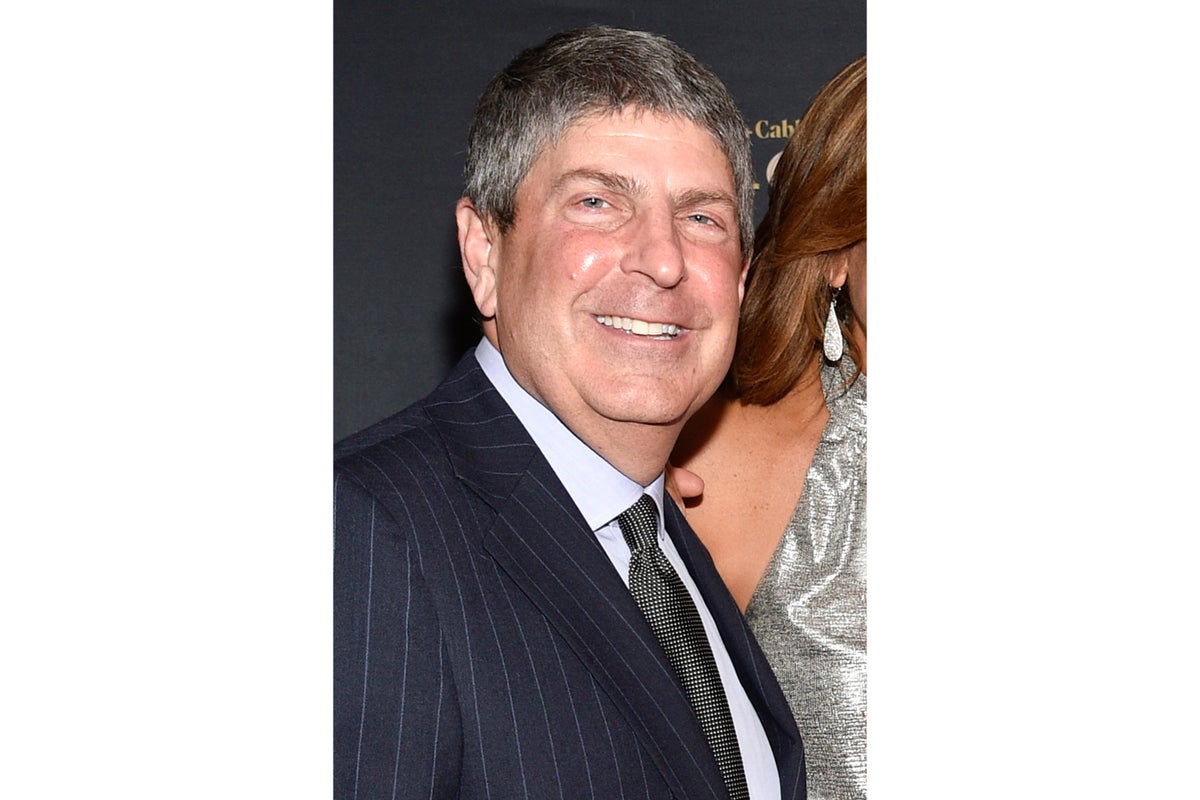
Jeff Shell is out at Paramount. On Wednesday, the executive resigned as president and board member of Paramount Global—now operating under the Skydance banner—effective immediately. This marks his second high-profile exit from a media titan in just three years. While the official company line frames the departure as a voluntary transition to focus on a private legal battle, the reality is far more volatile. Shell is currently entangled in a $150 million lawsuit involving a professional gambler, allegations of leaked corporate secrets, and a messy dispute over unpaid "crisis communication" services.
The fall of one of Hollywood’s most experienced operators leaves Paramount in a precarious position. David Ellison, who fought tooth and nail to secure Paramount and merge it with his Skydance Media, now loses his top lieutenant at the exact moment the company is attempting to finalize a massive $111 billion deal for Warner Bros. Discovery.
The Fixer and the Fall
The catalyst for this sudden departure isn't a board room coup or a failure to hit quarterly targets. It is R.J. Cipriani, a professional gambler known as "Robin Hood 702."
In a lawsuit filed in March, Cipriani alleges that Shell owes him a fortune for 18 months of off-the-books public relations work. The claim is startling. Cipriani asserts he was tasked with steering negative stories away from Shell and planting favorable coverage in trade publications. More damaging to Paramount’s institutional health are the allegations that Shell allegedly shared non-public information. This includes specific details regarding a $7 billion UFC rights deal and internal strategies for the acquisition of Warner Bros. Discovery.
Shell has countered these claims, calling them extortion and defamation. While Paramount’s internal review, conducted by independent counsel, found no technical violations of SEC disclosure rules, the optics were untenable. In an industry built on the sanctity of "the deal," the mere suggestion that a president was leaking market-moving secrets to a freelance consultant was enough to make his position at the company impossible.
A Second Act Cut Short
Shell’s arrival at Paramount in 2024 was supposed to be his redemption story. He had previously been ousted as CEO of NBCUniversal in 2023 following an investigation into an "inappropriate relationship" with a female employee.
David Ellison bet big on Shell’s deep knowledge of the legacy television business and his ability to navigate the complex world of streaming. He was the "grown-up in the room," the man who knew where the bodies were buried and how to keep the cable carriage fees flowing. By appointing him president, Ellison signaled that Skydance wasn't just a tech-adjacent production house, but a real contender for the throne of old-school media.
That bet has now soured. Shell’s departure creates a leadership vacuum at a time when Paramount is trying to integrate CBS, Nickelodeon, and Paramount+ with the prestige assets of HBO and CNN. The merger with Warner Bros. Discovery is the largest media consolidation in a generation. It requires steady hands. Shell’s hands were occupied with his own legal defense.
The Price of Leaks
The internal investigation at Paramount focused heavily on whether Shell’s alleged conversations with Cipriani constituted a breach of fiduciary duty or securities law. Even if no laws were broken, the cultural damage is significant.
- Trust among peers: Executives at rival studios are now wondering if their private negotiations with Shell were ever truly private.
- Shareholder confidence: Paramount’s stock has been a rollercoaster, down 40% over the last six months. A leadership scandal is the last thing investors wanted.
- Regulatory scrutiny: Federal regulators reviewing the WBD merger will undoubtedly look closer at the internal controls of the acquiring company.
The Strategy in Limbo
What happens to the "New Paramount" without its architect? The company has already committed to combining Paramount+ and Max into a single streaming powerhouse. This is a massive technical and logistical undertaking. Shell was the point man for the transition.
David Ellison now faces a choice. He can assume the duties himself, further stretching a CEO who is already managing multiple film franchises and a global merger, or he can look for a replacement. Finding a candidate with Shell’s experience who is also willing to step into a company currently being sued for $150 million is a tall order.
The industry is watching closely to see if other executives are named in Cipriani’s lawsuit. If the gambler’s claims of providing widespread "crisis services" are true, this may only be the first domino to fall.
The Institutional Cost
Modern media companies are fragile ecosystems. They rely on the perception of stability to keep talent from fleeing and to keep stock prices from cratering. Paramount has spent the last two years in a state of perpetual "for sale" signs and leadership shuffles.
The exit of Jeff Shell is more than just a personal scandal. It is a symptom of a broader issue within the upper echelons of corporate Hollywood, where the lines between professional advisory and personal "fixing" have become dangerously blurred. Shell is focusing on his lawsuit, but Paramount must now focus on proving it can survive its own ambitions.
The merger will likely proceed. The numbers are too big for it to fail now. But the dream of a seamless, stable transition is dead. David Ellison is no longer just building a media empire; he is performing damage control on its foundation.
Paramount has declined to name an interim replacement. The board is projected to lean heavily on the existing Skydance leadership team to fill the gap, but the absence of a veteran broadcaster like Shell will be felt in every negotiation for years to come.
Success in this industry isn't just about owning the best IP. It is about who you can trust when the cameras are off.