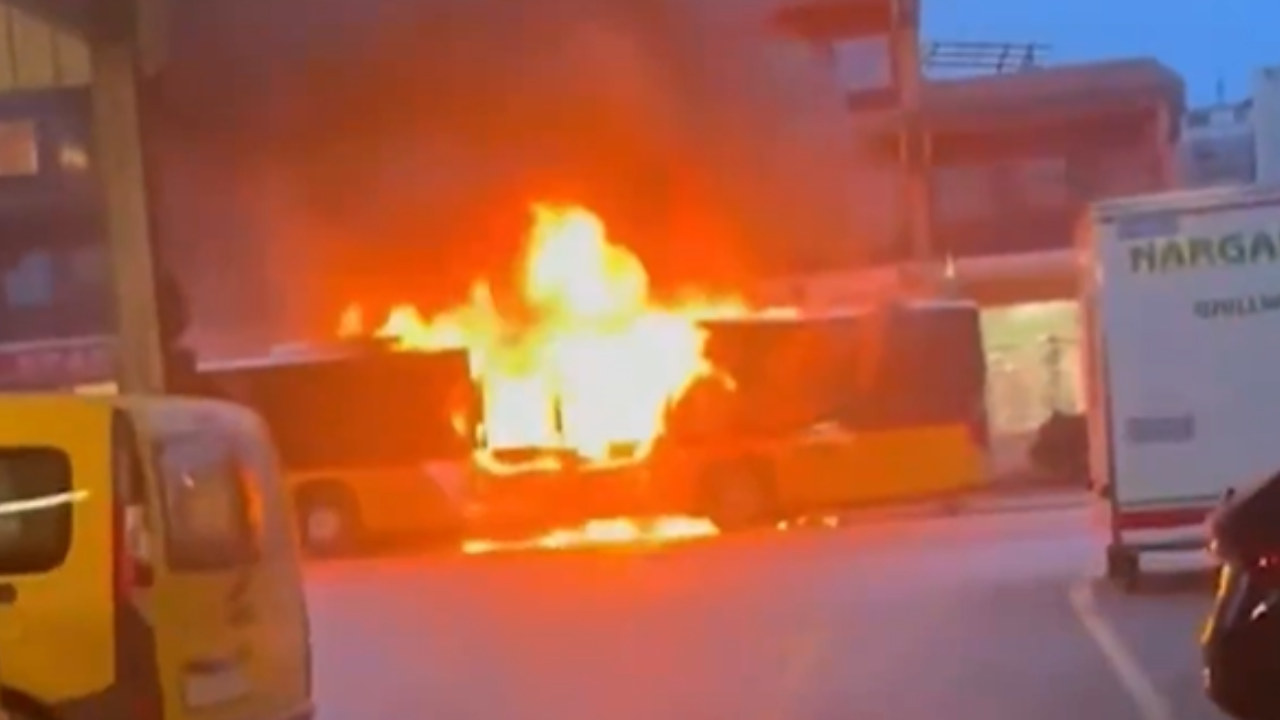
The tragic fire that claimed six lives and left five others fighting for recovery on a Swiss motorway is not just an isolated mechanical failure. It is a wake-up call regarding the aging infrastructure and evolving safety risks inherent in modern European transit. While initial reports focused on the grim body count and the immediate chaos near the scene, a deeper investigation reveals a confluence of high-speed transit pressures, emergency response bottlenecks, and a systemic failure to modernize fire suppression systems on long-haul commercial vehicles.
Emergency services were met with a wall of heat that defied standard protocols. The speed with which the flames engulfed the cabin suggests a breach in the fuel line or a catastrophic failure of the high-pressure cooling system, compounded by synthetic interior materials that turn a vehicle into a kiln within seconds. This incident exposes a terrifying reality. Passengers often have less than ninety seconds to evacuate a pressurized cabin before smoke inhalation renders them unconscious.
The Physics of a Mobile Kiln
To understand why this bus became a death trap, we have to look at the energy density involved. A modern long-distance coach carries hundreds of liters of diesel and often utilizes high-voltage electrical systems for onboard amenities. If a fire starts in the engine compartment—located at the rear—the aerodynamic slipstream created by the vehicle’s forward motion effectively acts as a bellows. It pushes heat and toxic gases forward through the floorboards and ventilation ducts.
By the time the driver notices smoke in the rearview mirror, the fire has likely already compromised the primary electrical loom. This often leads to a "dead ship" scenario where electronic door releases fail. In the Swiss incident, the proximity to a tunnel entrance added a secondary layer of danger. Tunnels create a chimney effect, accelerating air movement and making traditional fire extinguishers nearly useless against the sheer volume of thermal energy.
The Hidden Risk of Lightweight Materials
In the pursuit of fuel efficiency, manufacturers have moved toward carbon-fiber composites and high-density plastics. These materials are wonderful for the balance sheet but catastrophic in a fire. They don't just burn. They liquefy and off-gas hydrogen cyanide.
Observers at the scene described the smoke as "thick, oily, and impenetrable." That is the signature of burning polyurethane foam, the primary component in bus seating. When six people die in a vehicle designed for fifty, the question isn't just about how the fire started. The question is why they couldn't get out.
- Mechanical Integrity: Most commercial fleets are operating on razor-thin margins, leading to "just-in-time" maintenance cycles.
- Structural Vulnerability: Emergency exits are frequently obstructed by luggage or aftermarket modifications like coffee stations and mini-fridges.
- Human Factor: Panic in a confined, dark, and smoke-filled space leads to "clustering" at the main door, even when window hammers are available.
Regulatory Gaps in the Heart of Europe
Switzerland maintains some of the strictest road safety standards in the world, yet this happened on their watch. This suggests that current regulations are trailing behind the mechanical reality of heavy-duty transport. We are seeing a trend where the "active" safety features—collision avoidance, lane-keep assist—are prioritized over "passive" survivability like automatic fire suppression in the engine bay.
Automated fire suppression systems are common in racing cars and military vehicles. They are relatively cheap to install. However, they are not mandatory for most commercial bus fleets in the European Union or Switzerland. The industry resists these mandates because they add weight and cost. They argue that fires are rare. The families of the six deceased would likely disagree with that risk assessment.
The Problem with the Seventy Two Hour Rule
In the aftermath of such a disaster, there is a standard "cooling off" period where authorities release minimal information. This is often framed as respecting the victims, but it also serves to protect the transport companies from immediate liability. We need to look at the maintenance logs of the specific vehicle involved. Was there a history of overheating? Had the turbocharger been inspected for oil leaks?
The investigation must go beyond the "what" and look at the "who." Who signed off on the last safety inspection? In many cases, these inspections are outsourced to third-party contractors who are incentivized to move vehicles through the bay as quickly as possible. This creates a culture of "visual-only" checks that miss micro-fractures in fuel lines or frayed wiring near the battery banks.
Survival is a Matter of Seconds
For the five survivors, the difference between life and death was likely measured in inches and heartbeats. Survival in a bus fire requires an immediate, aggressive response. You cannot wait for instructions from a driver who may be in shock or incapacitated.
The reality of modern travel is that we have outsourced our safety to sensors and distant regulators. We board these "land-liners" with the same nonchalance we bring to a subway ride, forgetting that we are sitting on top of a massive combustible engine at 100 kilometers per hour.
Breaking the Window Myth
Most passengers believe they can simply kick out a window in an emergency. They can’t. These windows are tempered glass or double-paned for sound insulation. Without the specific percussion of a safety hammer—usually a small, red tool located on the pillars—the glass will hold even under intense pressure. If those hammers are missing or the passengers aren't trained to find them in total darkness, the bus becomes a sealed pressure cooker.
We need to demand better. Safety briefings, similar to those on aircraft, are often treated as a joke on buses. They aren't. They are the only thing that stands between a manageable engine fire and a mass casualty event on a Swiss hillside.
The Global Implications of Local Failures
This isn't just a Swiss problem. The transit corridors of Europe are the arteries of the continent's economy. Thousands of these vehicles cross borders every single day, often registered in countries with lower safety overheads than Switzerland or Germany. This creates a "race to the bottom" for safety standards.
If a bus is maintained in a jurisdiction with lax oversight and then driven through the Alps, the risk is exported. We are seeing the consequences of a fragmented regulatory landscape. A unified, rigorous inspection protocol for all long-haul commercial vehicles entering the Alpine transit zones is the only way to prevent a repeat of this horror.
The scorched shell of that bus remains a monument to our complacency. It is time to stop treating these events as "accidents" and start treating them as the predictable results of a system that prizes throughput over the lives of the people inside the machine.
Check the date on the safety certificate the next time you board a long-distance coach. If the company can't show you a rigorous maintenance schedule, don't get on the bus.