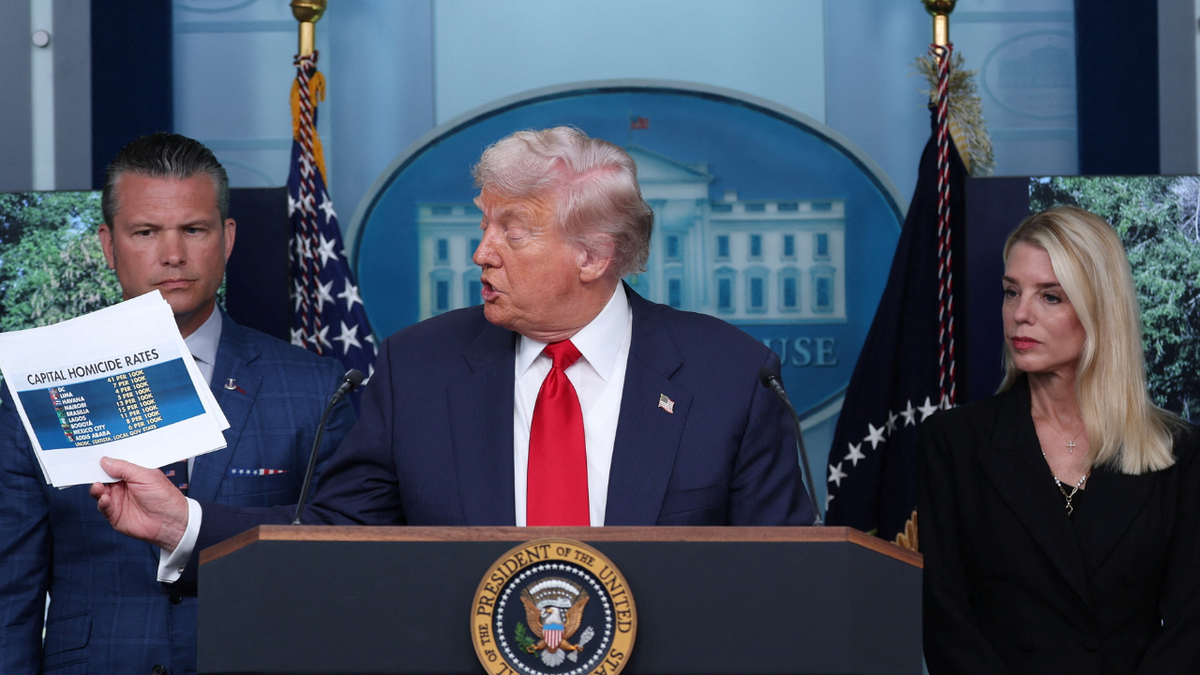
Donald Trump wants to end the war in Iran by squeezing the only lifeline the regime has left: Beijing. The plan is simple on paper but increasingly dangerous in practice, as the White House attempts to leverage Chinese energy dependency to force a final capitulation in Tehran. To understand why this strategy is currently on a knife-edge, one must look at the math of the Strait of Hormuz and the quiet defiance of China’s "teacup" refineries.
China is currently absorbing nearly 90% of Iran’s total oil exports. This is not a matter of ideology; it is a matter of a $10-per-barrel discount that fuels the world's second-largest economy while the West remains locked out. For Trump, this makes Xi Jinping the de facto treasurer of the Iranian war effort. If Xi stops the wire transfers, the Iranian military machine stalls. But if Trump pushes too hard, he risks a total blockade of global energy that could send U.S. inflation back to the double digits.
The Shell Game of Shadow Fleets
The U.S. Treasury recently designated another dozen entities for facilitating these oil transfers, but the reality on the water is harder to catch than a press release suggests. Iranian crude does not arrive in Beijing with a "Made in Iran" sticker. It is transferred between tankers in the dark of night, often in the South China Sea, where it is rebranded as Malaysian or Omani oil.
These "shadow fleet" vessels operate with transponders turned off. They are often aged tankers that should have been scrapped years ago, yet they carry the lifeblood of the Iranian economy. China’s independent refineries, known as "teacups" due to their smaller size compared to state-owned giants, are the primary buyers. Because these refineries have little to no exposure to the U.S. financial system, they are virtually immune to the standard threat of being cut off from the dollar.
Trump’s team is now moving beyond financial threats. They are eyeing the logistics. By pressuring the maritime insurance markets and the flag registries of countries like Panama and Liberia, the administration hopes to make the actual physical movement of the oil impossible.
The Taiwan Trade Off
Beijing is not a passive spectator in this squeeze. President Xi Jinping has made it clear that China’s cooperation on Iran is not free. During recent diplomatic exchanges, Chinese officials have tied their willingness to "mediate" in the Middle East to U.S. concessions on Taiwan and high-tech export controls.
The leverage is clear.
- China can ignore U.S. sanctions, keeping Iran’s economy afloat.
- China can actively mediate, potentially ending the Strait of Hormuz blockade that has pushed oil prices above $105.
- China can weaponize its monopoly on rare earth minerals, which are essential for the very defense systems the U.S. is currently using in the region.
Trump’s "Maximum Pressure 2.0" is hitting a wall of Chinese strategic patience. While the U.S. sees Iran as a rogue state to be dismantled, China sees Iran as a mid-tier partner that serves as a useful distraction for American military resources. Every dollar the U.S. spends in the Persian Gulf is a dollar not spent in the Indo-Pacific.
The Hormuz Standoff
The current ceasefire in the Iran conflict is described by the White House as being on "life support." The reason is the Strait of Hormuz. This narrow waterway handles 20% of the world’s oil supply. Iran has demonstrated it can effectively shutter the strait, and the U.S. Navy’s efforts to keep it open are costing billions per month.
China is the biggest victim of a closed strait, but it is also the biggest beneficiary of the U.S. being forced to act as the world’s unpaid security guard. If Trump expects Xi to pull his "fair share" of the weight by sanctioning Tehran, he is ignoring the fundamental math of the relationship. Beijing has built years of energy security on the back of discounted, sanctioned oil. Why would they trade that for a more expensive, U.S.-led status quo?
The Soybeans and Satellites Problem
The complexity of the Trump-Xi relationship makes a clean deal on Iran unlikely. Last year, the two leaders struck a deal in South Korea: China resumed buying U.S. soybeans in exchange for a pause on some tech tariffs. Today, that goodwill has evaporated as the U.S. sanctions Chinese satellite companies for allegedly providing imagery to Tehran.
This tit-for-tat cycle prevents a grand bargain. The U.S. wants China to act like a "responsible stakeholder," a phrase often used in D.C. that means "do what we want." China, however, is acting like a cold-blooded energy importer. They will buy Iranian oil as long as it is cheap and the risk of a total U.S. trade war remains manageable.
Hard Realities for 2026
If the goal is to bankrupt Iran, the U.S. cannot do it while the "teacup" refineries are open for business. But closing those refineries requires an escalation against Chinese banks that could trigger a global recession.
The administration is currently betting that Xi’s fear of a domestic economic slowdown will outweigh his desire to support a secondary ally like Iran. It is a high-stakes poker game where the chips are the price of gasoline at every pump in America. Trump may believe he doesn't need China's help to "win," but he certainly needs their silence to keep the U.S. economy from losing.
The next few weeks of diplomatic maneuvering will determine if this conflict ends in a brokered peace or a permanent regional war. Beijing holds the keys to the Iranian treasury, but they aren't going to hand them over for a thank-you note and a handshake. They want the one thing Trump is least likely to give: a retreat from the Pacific.
Finality in this situation is an illusion. The U.S. is fighting a war of attrition against Iranian finances, while China is playing a game of strategic accumulation. As long as the oil flows through the shadow fleet, the regime in Tehran has a reason to keep fighting.
The pressure isn't just on Iran. It's on the stability of the entire global trade order.