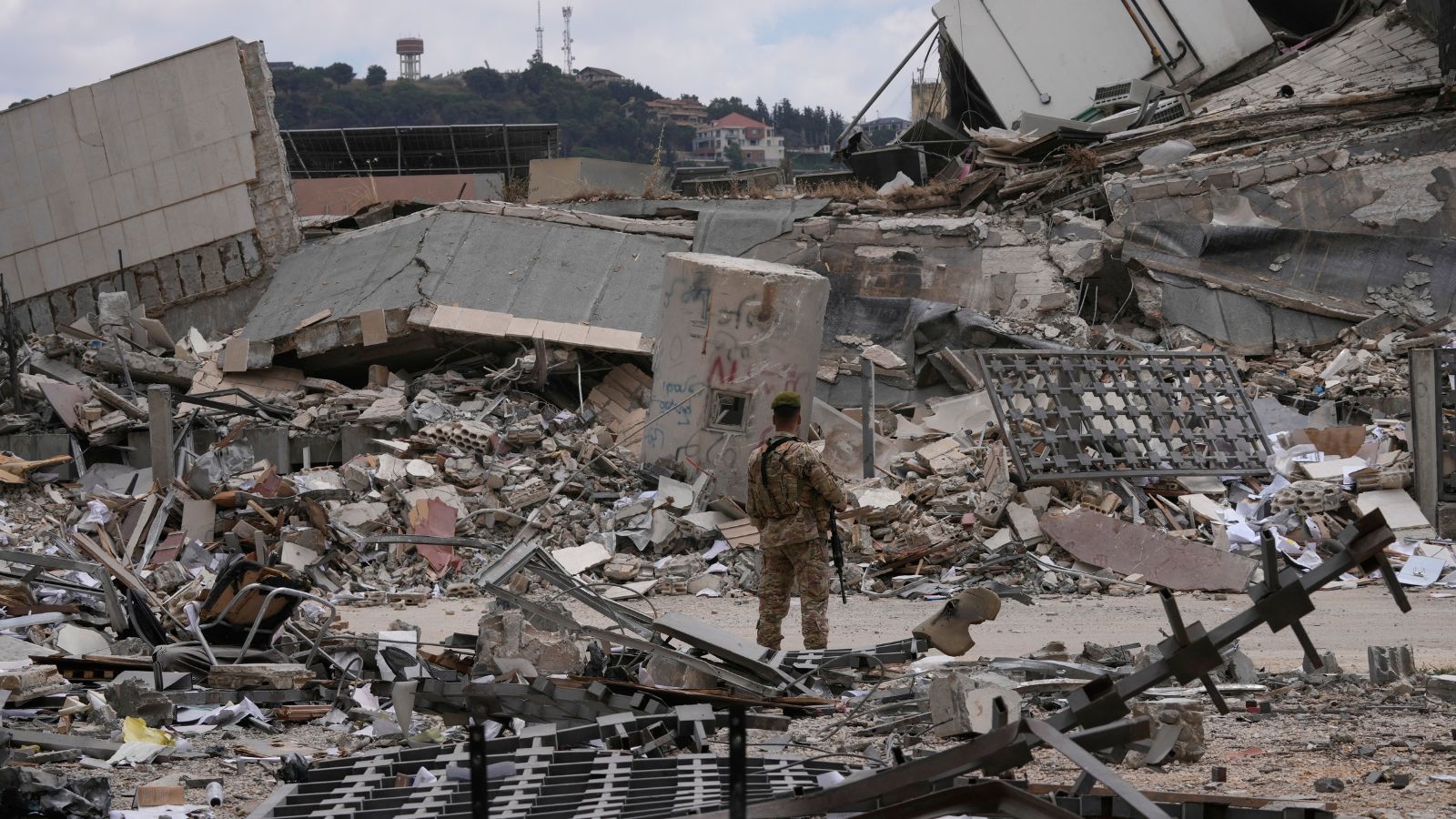
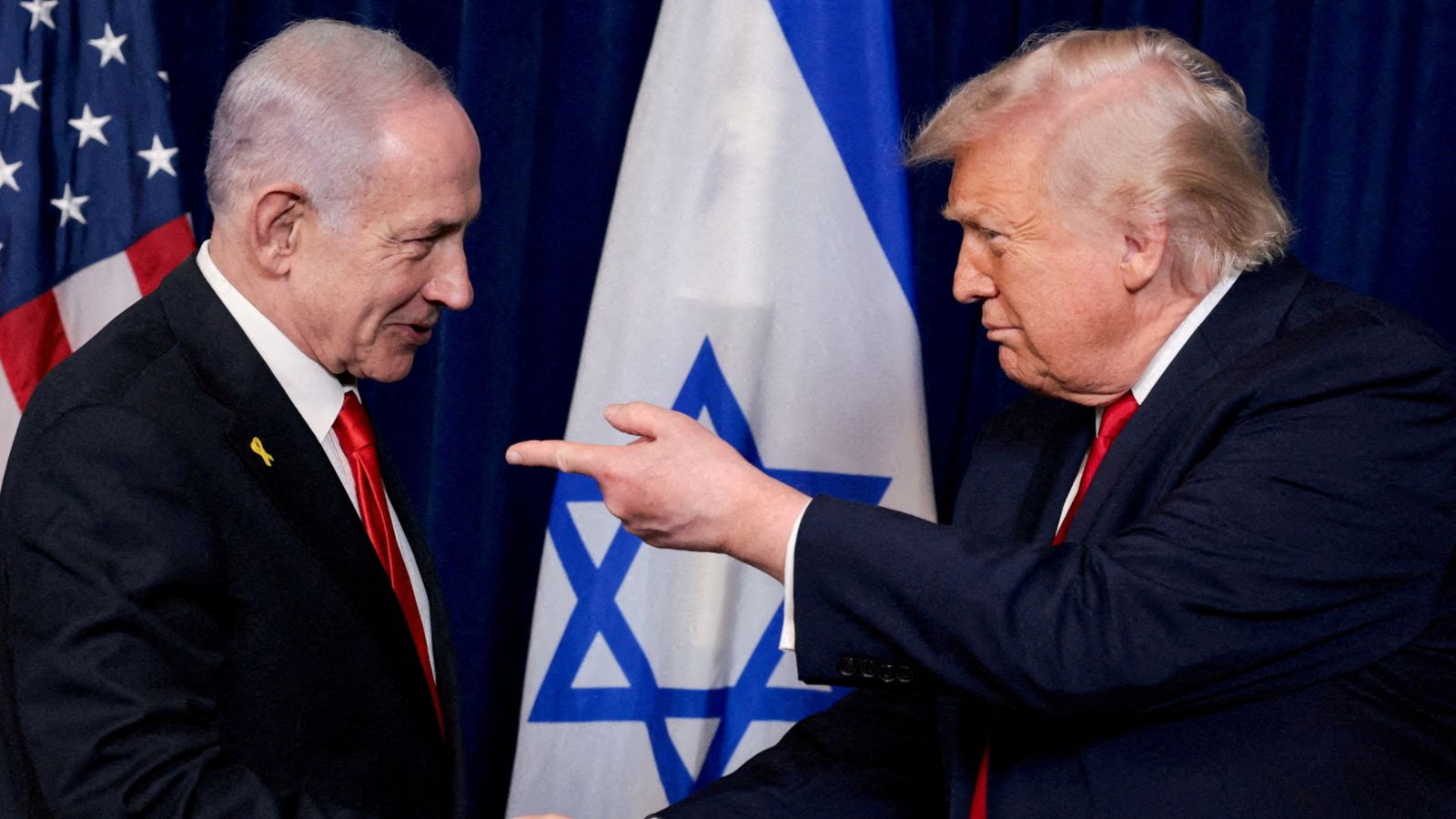
The United States Senate made history by passing a War Powers resolution aimed at restraining presidential military action against Iran. This rare, bipartisan rebuke reflects a deep-seated institutional panic over executive overreach. For decades, Congress willingly surrendered its constitutional authority to wage war, deferring to the Oval Office in the name of speed and national security. Now, facing the immediate threat of an unchecked regional conflict, lawmakers are scrambling to reclaim their powers. The vote signals a profound shift in Washington, proving that even a deeply fractured legislature has a breaking point when it comes to unilateral military escalation.
The Illusion of Legislative Control
Passage of this resolution does not mean Congress has successfully clawed back its authority. The reality is far messier. The War Powers Act of 1973 was designed to act as a check on the presidency, yet every commander-in-chief since Richard Nixon has questioned its constitutionality.
Presidents consistently argue that Article II of the Constitution gives them inherent authority to defend the nation, bypassing legislative approval. When the Senate votes to curb military action, it is fighting against half a century of legal precedents that favor the executive branch.
Congress itself created this problem. Following the attacks of September 11, lawmakers passed broad authorizations for the use of military force. These documents became blank checks. Presidents used them to justify operations across the globe, far beyond the original scope of targeting specific terrorist networks. The recent escalation with Iran showed the danger of this dynamic. By relying on stretched interpretations of old statutes, the administration moved toward open conflict without asking Congress for a declaration of war.
The Mechanics of the Veto Wall
A major flaw in the strategy to rein in executive power is the presidential veto. Passing a resolution through the Senate requires a simple majority, which is achievable when a few members of the president's own party break ranks. Enforcing that resolution is a different story.
[Senate Passes Resolution] -> [Presidential Veto] -> [Requires 2/3 Majority to Override]
To permanently bind the hands of the executive, Congress needs a two-thirds majority in both chambers to override a veto. The votes simply are not there. Party loyalty usually triumphs over institutional duty once the White House exerts pressure. This transforms a historic legislative action into a symbolic gesture. It exposes a painful truth about modern American governance. Congress knows how to protest, but it has forgotten how to command.
The Hidden Drivers of Bipartisan Panic
The sudden emergence of a bipartisan coalition was not driven by sudden pacifism. It was driven by self-preservation and a profound distrust of unpredictable foreign policy decisions.
For years, lawmakers enjoyed a comfortable arrangement. They could criticize military interventions when they went wrong, while avoiding the political risk of voting for or against them. That comfort vanished when a targeted strike brought the nation to the brink of an unplanned war.
- Intelligence gaps: Lawmakers were briefed on the justification for the strike, but many left the secure rooms unconvinced. The administration claimed an imminent threat existed, yet failed to provide specific, actionable details.
- The risk of miscalculation: Senators realized that a single retaliatory cycle could drag thousands of American troops into a conflict without a clear exit strategy.
- Constitutional anxiety: A growing faction of conservative libertarians joined traditional Democrats in arguing that allowing the executive to define "defense" so broadly makes the legislature irrelevant.
This cross-party alliance is fragile. It is united only by fear of what happens when one person makes the choice to start a war. The underlying disagreements about foreign policy, troop presence, and regional strategy remain unresolved.
The Long Deficit of Congressional Courage
Reclaiming war powers requires more than passing non-binding or easily vetoed resolutions. It requires a fundamental rewriting of the laws that Congress itself passed.
The Authorization for Use of Military Force passed in 2002, which justified the invasion of Iraq, is still on the books. It has been used for decades as a legal justification for entirely unrelated operations. Every time Congress refuses to repeal or update these laws, it chooses cowardice over constitutional duty. Lawmakers prefer the safety of the sidelines.
Year Passed | Authorization Target | Subsequent Uses Under Executive Interpretation
---------------------------------------------------------------------------------
2001        | Al-Qaeda and Taliban | Used in over a dozen countries for various groups
2002        | Saddam Hussein/Iraq  | Used to justify operations against new regional threats
This structural abdication created the modern imperial presidency. When the executive branch fills a vacuum left by a passive legislature, the courts are hesitant to intervene. Judges view these disputes as political questions that the two branches must settle between themselves. If Congress will not use its power of the purse to cut off funding for unauthorized operations, the presidency will continue to expand its military reach.
The Regional Fallout of Washington's Internal War
While Washington debates legal definitions, the rest of the world watches a superpower sending conflicting signals. Allies cannot determine if American commitments are stable, and adversaries see opportunities in the chaos.
The Senate vote tells international partners that the American government is divided on its fundamental security strategy. This complicates diplomacy. When the State Department attempts to negotiate de-escalation, its leverage is weakened because foreign capitals know the White House and Congress are actively undermining each other.
This internal friction changes the calculus for adversaries. They no longer see a unified front. Instead, they see a system where a presidential threat might be neutralized by a legislative backlog, or where a legislative restriction will be ignored by a determined commander-in-chief. This ambiguity increases the risk of the exact scenario Congress fears most: a catastrophic miscalculation based on mixed messages.
Redefining Defensive Action for Modern Conflict
The core of the dispute hinges on the word "imminent." Under international law and American tradition, a president can act without Congress to repel a sudden attack.
The definition of a threat has been stretched to include preemptive strikes against potential future actions. In the modern security environment, where cyber warfare, proxy militias, and drone technology blur the lines between peace and conflict, the traditional framework of war is obsolete.
[Traditional Threat: Massed Troops on Border] -> Clear Imminence
[Modern Threat: Proxy Force Coordination]   -> Ambiguous Imminence (Executive Discretion)
If a president can label any hostile actor an imminent threat based on classified intelligence, the requirement for congressional approval becomes optional. The Senate resolution attempted to draw a line in the sand, but it failed to redefine these terms for the modern era. Until Congress establishes clear, legally binding boundaries on what constitutes self-defense, the executive branch will continue to operate with near-total autonomy. The vote in the Senate was a rare flash of institutional pride, but without systemic legislative reform, it remains a historical footnote in the steady march of executive dominance.