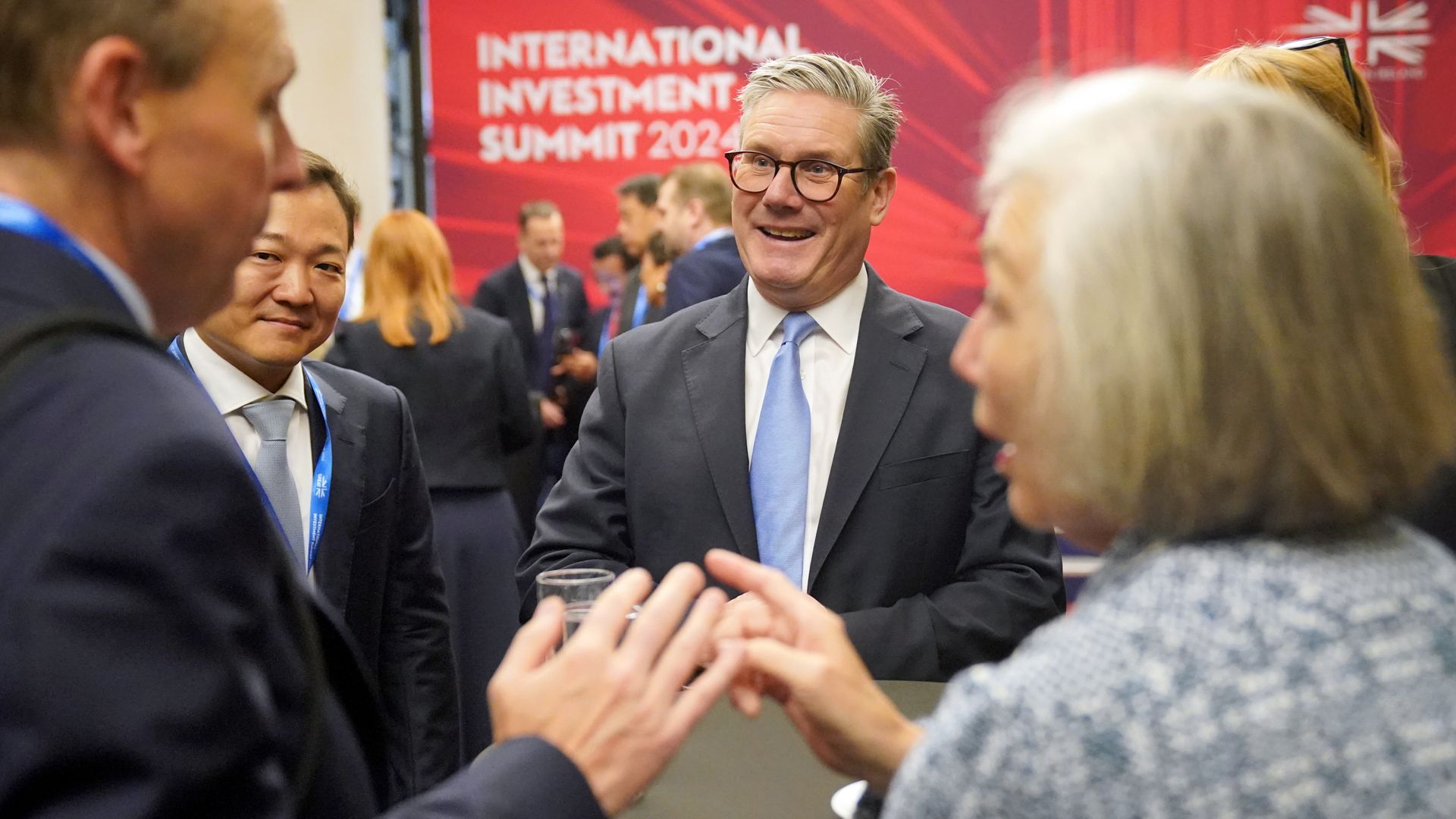
Andy Burnham has quietly shelved his flagship investment summit, postponing the high-profile gathering until next year. Official channels blame scheduling conflicts and the need for deeper alignment with national industrial strategies. Those explanations collapse under even mild scrutiny. When a regional leader pushes back a marquee event designed to attract billions in capital, it signals a deeper fracture behind closed doors. The postponement reveals growing anxiety over investor appetite, shifting political winds, and a widening chasm between grand regional ambition and fiscal reality.
For months, regional officials pitched the upcoming conference as the definitive showcase for northern economic momentum. Billions in infrastructure projects, green energy transformations, and urban regeneration schemes were meant to be paraded before international financiers. The sudden retreat exposes the fragility of those pipelines. International capital markets are increasingly jittery. Rising borrowing costs and persistent uncertainty surrounding national regulatory frameworks have made institutional investors hyper-cautious. Pushing the summit into next year buys time, but it also broadcasts vulnerability at a moment when confidence is the only currency that matters.
The friction goes beyond macroeconomics. Local leaders face mounting pressure to deliver tangible returns on decentralization promises made years ago. Mayoral authorities demand greater fiscal autonomy, yet central government purse strings remain tightly wound. When promises of public-private partnerships stall, summits risk turning into uncomfortable exercises in public relations. Investors do not want glossy brochures or speculative renderings. They demand certainty, clear planning permissions, and reliable procurement pathways. Until those structural bottlenecks are cleared, staging a massive summit invites awkward questions rather than lucrative commitments.
Regional competitiveness relies on more than political branding. Industrial strategy requires consistent execution, steady supply chains, and a skilled workforce that can scale alongside incoming capital. When those elements misalign, high-profile delays become inevitable. Insiders whisper about friction between municipal ambitions and hesitant corporate backers who prefer to wait out electoral cycles before making multi-million-pound commitments. The delay is not merely a scheduling adjustment. It is a symptom of a system struggling to bridge the gap between political rhetoric and the hard mechanics of private investment.
The coming months will test whether regional authorities can fix these underlying plumbing issues or if the rescheduled gathering will face the same quiet fate. Markets despise ambiguity. If local administration fails to present a coherent, de-risked portfolio by next year, the absence of an investment summit will be the least of their worries. Capital flows toward stability, and right now, stability is precisely what is missing.