China's electric vehicle boom was supposed to lift all boats. Instead, it turned into a brutal knife fight where BYD and Geely are taking almost all the lunch money.
If you've been watching the global auto sector, you know the headlines. BYD and Geely are shattering monthly delivery records, expanding factories, and eating market share at a pace Western legacy automakers can barely comprehend. But look one layer beneath those massive numbers and you'll find a bloodbath among China's smaller carmakers. Startups that raised billions just a few years ago are now running out of cash, slashing prices below cost, or quietly shutting down assembly lines. You might also find this similar story interesting: Stop Watching US Midterms to Predict Your Portfolio (Here Is What Actually Moves Markets).
The core reality is simple. Scale wins in automotive manufacturing, and BYD and Geely now have so much of it that smaller rivals cannot mathematically compete on price.
The Brutal Math Behind BYD and Geely's Sales Surge
Most coverage of China's auto market treats BYD and Geely's record sales as a story about consumer demand. That misses the real weapon. Their real advantage is vertical integration and component volume. As reported in detailed coverage by Bloomberg, the implications are notable.
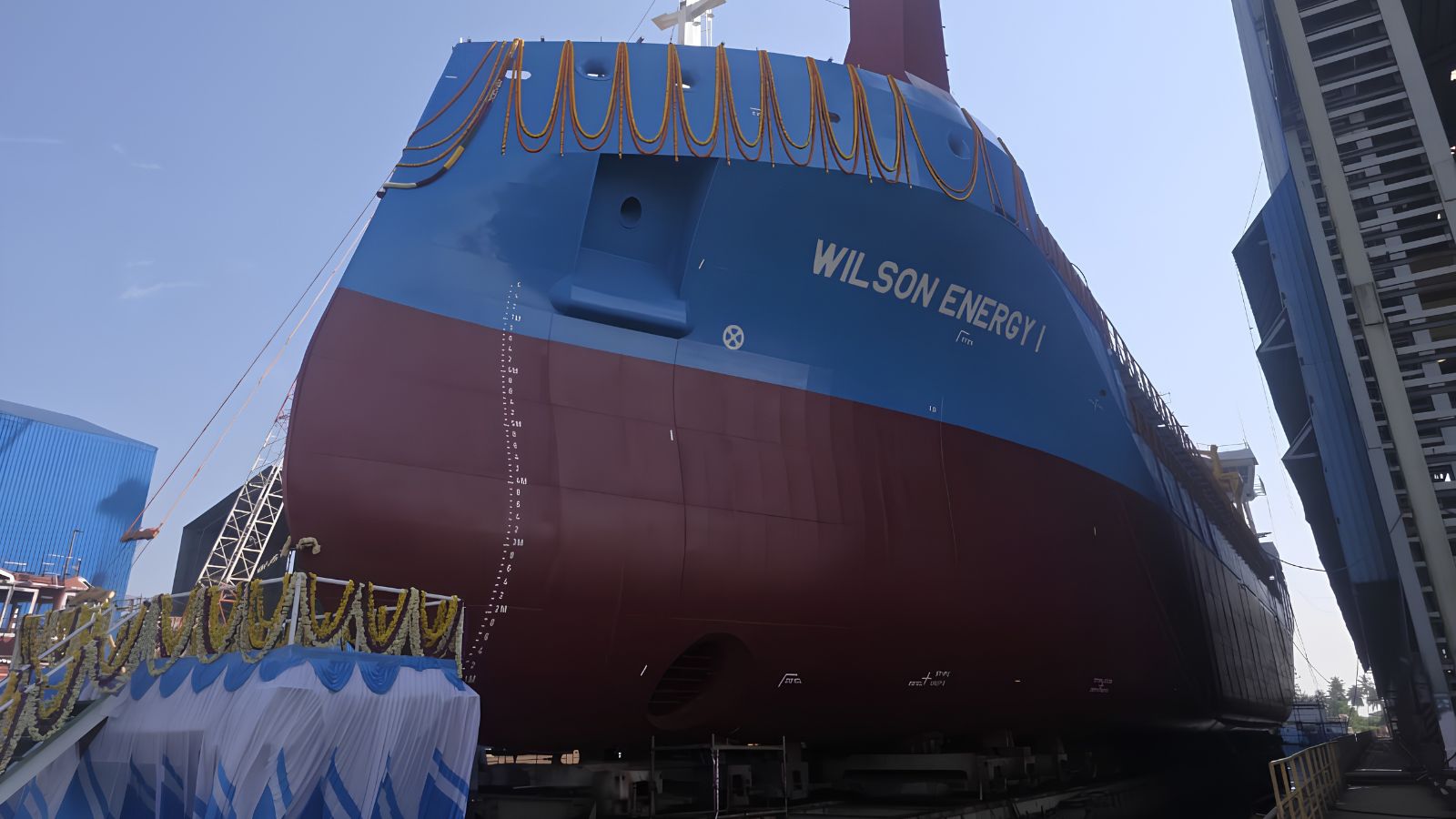
BYD doesn't just assemble cars. It mines lithium, manufactures its own Blade batteries, builds its own semiconductors, and even operates its own fleet of roll-on/roll-off cargo ships to export vehicles. When BYD drops the price of its Qin Plus or Seagull models, it isn't necessarily losing money. It simply absorbs the margin hit across a supply chain it completely controls.
Geely operates differently, yet hits the exact same pressure point. Through its sprawling portfolio—which includes Zeekr, Lynk & Co, Volvo, Polestar, and its core Geely Auto brand—Geely spreads research and development costs across millions of vehicles. When Geely develops a new modular EV architecture like SEA (Sustainable Experience Architecture), that engineering expense gets divided among half a dozen brands.
Now compare that to a smaller Chinese automaker selling 10,000 or 15,000 cars a month.
A smaller brand has to buy batteries from CATL at market rates. It has to pay third-party suppliers for chips, sensors, and stampings without bulk discounts. Every time BYD or Geely triggers another round of price cuts, those smaller companies face an impossible choice. Match the price and bleed cash on every vehicle sold, or hold prices steady and watch showroom traffic evaporate overnight.
Why China's EV Price War Has No Finish Line
Many analysts predicted the Chinese EV price war would cool down once weaker players exited. They were wrong.
In fact, the aggressive discounting has only intensified because BYD and Geely aren't just fighting startups anymore—they're fighting each other, and they're fighting to kill off traditional internal combustion engine (ICE) cars for good. BYD famously adopted the slogan "electricity is cheaper than oil," pricing plug-in hybrids and pure electrics below comparable gasoline sedans from Volkswagen and Toyota.
This strategy works brilliantly if you move three or four million vehicles a year. It's a death sentence if you're a mid-tier startup.
Look at what happened to brands like WM Motor, Human Horizons (maker of HiPhi), and Evergrande Auto. Just a few years ago, these companies had flashy showrooms, futuristic concept cars, and massive valuations. Today, they're cautionary tales of bankruptcy restructuring and halted production. Even better-known names listed in New York and Hong Kong—companies like Nio, XPeng, and Li Auto—have had to constantly reinvent their pricing, launch cheaper sub-brands, or strike emergency partnerships just to keep their heads above water.
XPeng had to bring in Volkswagen as a major investor and technology partner. Leapmotor sold a massive stake to Stellantis to survive and access overseas markets. Nio has poured billions into its battery-swap network while still struggling to reach consistent quarterly profitability.
What Most People Get Wrong About Chinese EV Startups
There's a common misconception outside China that all Chinese EV makers are heavily subsidized winners dominating the world. That couldn't be further from the truth.
Beijing did pour massive subsidies into the sector during the 2010s to kickstart adoption and build supply chains. That era is over. Direct national purchase subsidies ended, and local governments have become far more selective about which failing automakers they're willing to bail out. Today, the Chinese market operates like hyper-capitalism on steroids.
Another mistake observers make is assuming superior software or cooler cabin tech can save a small carmaker.
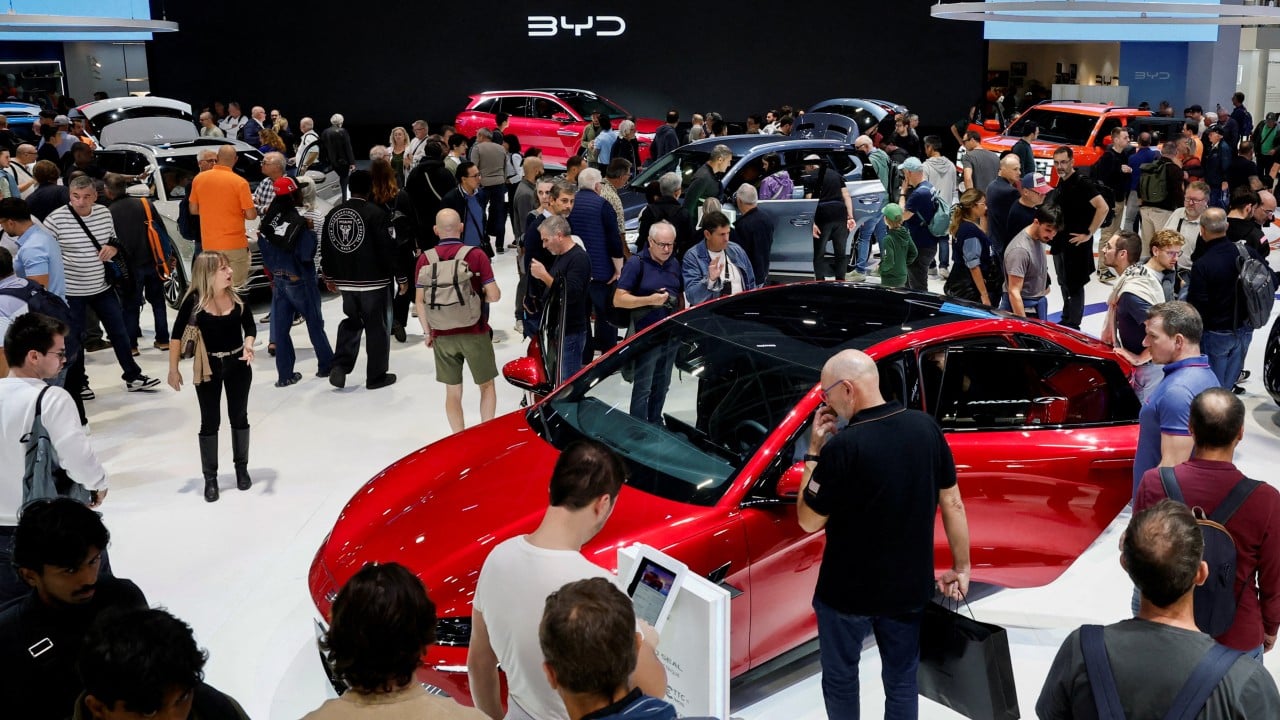
Walk into any auto show in Shanghai or Beijing and you'll see incredible tech from smaller brands. Massive OLED screens, autonomous city driving, voice assistants that understand regional dialects, seats that recline into beds. None of it guarantees survival. Why? Because BYD and Geely copy or license those exact features within six months and offer them in a car that costs $5,000 less.
In the auto industry, software is a differentiator for about ten minutes. Manufacturing cost structure is forever.
How Smaller Carmakers Are Trying to Survive
If you're running a smaller Chinese automaker right now, going head-to-head with BYD in the $15,000 to $25,000 mass market is suicide. The survivors are scrambling to find exits from the trap.
Selling Technology Instead of Just Cars
XPeng figured this out early. Rather than relying solely on hardware margins, it monetized its autonomous driving software and electronic architecture by licensing them to Volkswagen. Becoming a tech supplier to legacy Western giants brings in high-margin cash without needing to build more factories.
Trading Equity for Global Distribution
Stellantis's deal with Leapmotor is the blueprint here. Leapmotor gets an immediate cash injection and access to Stellantis's global dealer network, bypassing some of the geopolitical and tariff headaches Chinese brands face when entering Europe alone. In return, Stellantis gets affordable EV tech it couldn't build fast enough on its own.
Betting on Ultra-Niche Segments
Some brands are abandoning the family sedan and compact SUV markets entirely. Zeekr has pushed hard into luxury shooting brakes and high-end minivans. Others are targeting rugged off-roaders or hyper-specialized smart cabins powered by Huawei's HarmonyOS ecosystem. Speaking of Huawei—its partnerships with automakers like Seres (Aito) and Chery (Luxeed) show that having a tech giant handle your software and retail foot traffic is one of the few ways to stand up to BYD's marketing muscle.
The Consolidation Wave Is Just Getting Started
China still has far too many automotive brands. By most industry estimates, well over 100 passenger car brands operate in the country, though only a fraction of them generate meaningful volume.
History shows us how this ends. In the early twentieth century, the United States had hundreds of car companies before consolidating down to the Detroit Big Three. Japan went through a similar shakeout. China is compressing a fifty-year consolidation cycle into less than a decade.
Over the next two to three years, expect a wave of mergers, quiet brand retirements, and distressed asset sales. Local municipal governments that previously propped up regional car factories to protect local jobs are increasingly letting them fail or forcing them into state-backed mergers.
For investors, suppliers, and consumers, this changes how you evaluate any Chinese auto brand:
- Check monthly delivery consistency, not one-off spikes. A brand needs sustained volume—typically well above 20,000 to 30,000 units a month—just to cover fixed factory overhead and R&D.
- Follow the cash burn and gross margins. Revenue growth means nothing if a company loses money on every car rolled off the line. Watch vehicle gross margins closely; anything dipping into single digits or negative territory during a price war is a massive red flag.
- Look at overseas export traction. Brands that rely 100% on domestic Chinese sales are trapped in the fiercest price war on earth. Those with real distribution in Southeast Asia, Latin America, the Middle East, or Europe have a vital pressure valve.
- Watch who owns the battery and software stack. Companies renting all their core tech from third parties will always get squeezed first when prices drop.
BYD and Geely aren't slowing down. They're expanding model lineups, pushing aggressively into overseas markets despite tariffs, and using their massive scale to squeeze every drop of inefficiency out of vehicle manufacturing. For China's smaller automakers, the era of easy funding and forgiving customers is dead—and only the companies with genuine cost advantages or global lifelines will still be standing when the dust settles.