We measure our lives in markers far more fragile than stone. A ticket stub faded in a drawer. The scent of rain on asphalt that instantly transports us to a high school parking lot. A song that still triggers the exact knot in the stomach we felt the night we drove past someone's house without stopping.
Time moves in circles, even when we pretend it marches only forward.
Every year, as August bends toward September, the calendar turns a very particular page. It is a strange week—that stretch between the twenty-third and twenty-ninth of the month. The heavy heat of high summer starts to fray at the edges, carrying the first faint, sharp promise of autumn in the evening air. And into this specific, liminal space of the year steps a cohort of public figures whose art, voices, and faces formed the soundtrack of our growing pains.
Consider who we are talking about here. Shania Twain. Chris Pine. People whose cultural footprints span stadium speakers and silver screens, yet whose real residence has always been inside our personal histories.
The Sound of the Open Road
Picture a beat-up pickup truck rattling down a two-lane highway in the late nineteen-nineties. The windows are rolled down because the air conditioning died somewhere outside of Tulsa. The cassette player is chewing on a ribbon, but before it gives out, a voice cuts through the static.
Let's go girls.
It was a declaration. Not just a lyric, but a permission slip.
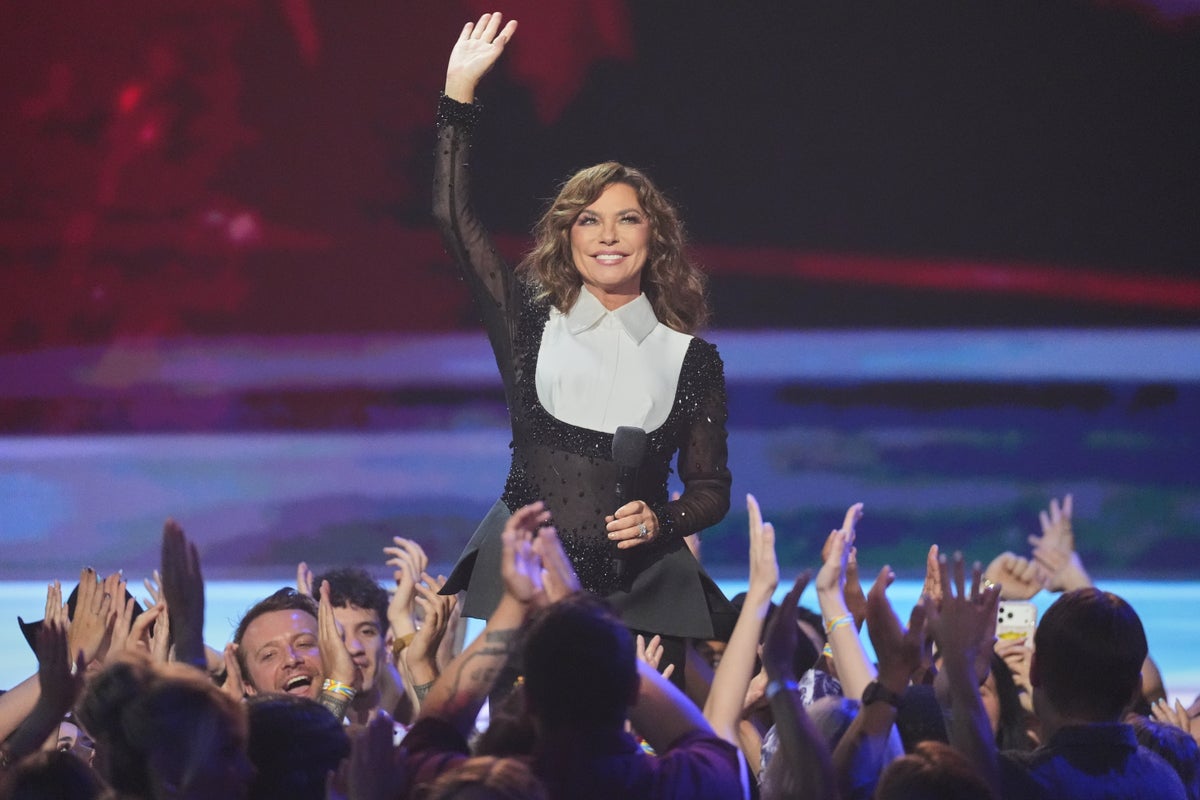
Shania Twain arrived like a thunderclap in a genre that often preferred its icons quiet, stationary, and safely contained within traditional boundaries. She fused the twang of country storytelling with the massive, unapologetic crunch of stadium rock production. But more than that, she gave millions of listeners an anthem for reinvention.
Think about what was happening in living rooms across the world when albums like Come On Over were spinning on every CD player. People were navigating messy breakups, uncertain job prospects, and the quiet desperation of small-town routines. When Shania sang about feeling like a woman, she wasn't writing a rulebook; she was tearing one up.
There is an art to crafting a hook that survives decades of shifting cultural tides. It requires vulnerability wrapped in armor. When you hear the opening notes of Man! I Feel Like a Woman! today, you aren't just hearing a track from 1997. You are remembering the exact version of yourself who first heard it. Perhaps you were brushing your hair in front of a foggy bathroom mirror, singing into a hairbrush. Perhaps you were twenty-two and terrified of what came next. The song remembers with you.
Faces in the Dark
A few days later on the calendar, August twenty-sixth, another milestone arrives. Chris Pine.
To the modern moviegoer, he is Captain Kirk gripping the command chair of the Enterprise, or the charming rogue stealing scenes in a blockbuster adaptation. He represents a very specific kind of cinematic charisma—one that leans just as heavily on self-deprecation as it does on traditional heroism.
Yet, long before the starships and the spy thrillers, actors like Pine became the recurring characters of our weekends. We spent our Friday nights in crowded multiplexes where the popcorn butter stained our fingers and the glow of the projector illuminated a room full of strangers dreaming the same collective dream.
Movies are our modern mythology. We project our hopes for courage, our fears of inadequacy, and our longings for connection onto actors whose lives are entirely unknown to us. When we mark their birthdays, we are not merely noting the passage of years for a stranger in Los Angeles. We are marking the chapters of our own viewing lives.
That was the movie we saw on our first date.
That was the film that played on an endless loop the summer my grandmother passed away.
We anchor our memories to pop culture because culture holds the space when our own words fail.
The Weight of August
There is a melancholy inherent in late August. The days grow perceptibly shorter. The cicadas reach a frantic, humming crescendo in the trees. It is a season of transition, and transitions are notoriously uncomfortable for human beings. We crave permanence. We build our lives around routines, jobs, and addresses, pretending the ground beneath us is entirely solid.
Then a date flashes on a screen. A reminder that Shania is turning another year older. That Chris has entered another decade of life.
And suddenly, the math hits you.
The distance between the year The Woman in Me was released and right now is longer than the distance between that album and the moon landing. That realization can feel jarring, almost violent. How did the soundtrack of our youth become classic rock? How did the fresh-faced actors of our twenties become the seasoned veterans of the screen?
We resist aging because we confuse it with erasure. We worry that as the numbers tick upward, the parts of us that felt infinite in our youth are slowly being chipped away and lost to time.
The Living Archive
Yet, there is a profound comfort to be found in these shared milestones.
Celebrity birthdays are often treated as superficial gossip fodder—numbers tossed into digital feeds to generate clicks and momentary distraction. But they can also function as something much richer. They are communal touchstones.
When millions of people pause to acknowledge the artists who scored their lives, they are engaging in a quiet act of shared remembrance. We are nodding to one another across time zones and ideological divides, acknowledging a universal truth: We were there. We felt that. We survived to see another year.
The songs keep playing. The films keep projecting. The calendar keeps turning its pages whether we are ready or not.
Listen closely to the next chord that drops from the speakers. Notice the way the evening light hits the living room floor as August winds down. Nothing is truly lost as long as it still has the power to make the heart skip a beat, reminding us of who we were, who we are, and how wildly improbable it is that we get to be here to witness any of it at all.