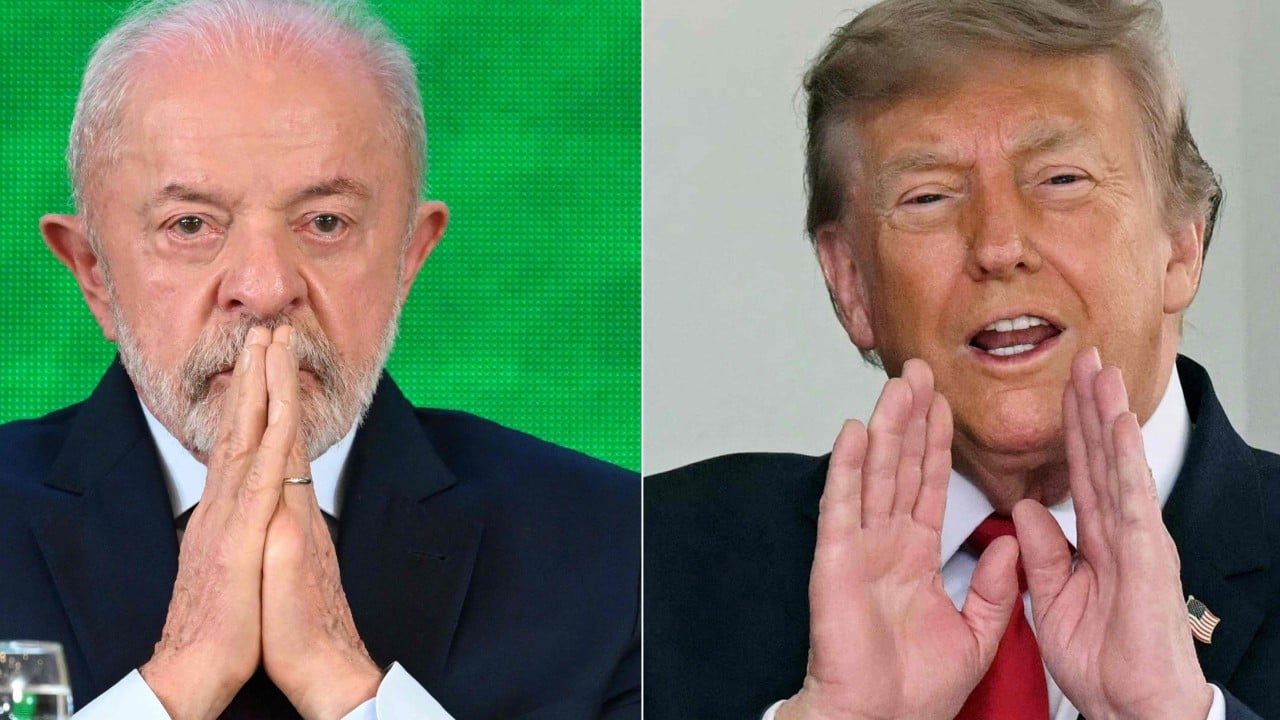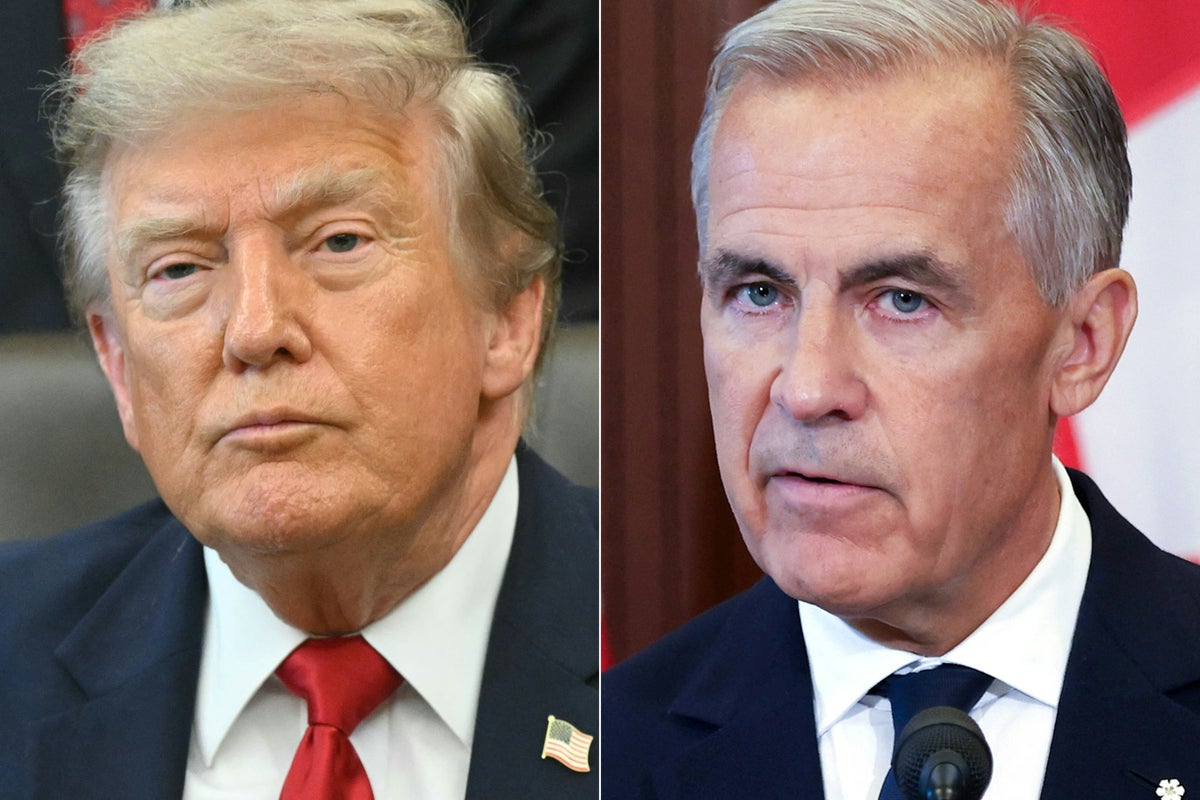
Every mainstream pundit is currently hyperventilating over the collapse of trade talks and the implementation of 50 percent punitive levies. The headlines scream about broken alliances, matching dollar-for-dollar retaliations, and an apocalyptic escalation between Washington and Ottawa.
They are missing the entire plot. Don't miss our recent post on this related article.
This isn't a policy miscalculation or an emotional diplomatic fallout. It is an engineered theater of protectionism. Both administrations are using blunt-instrument taxes as political red meat, manufacturing external enemies to mask domestic economic strain, while ordinary citizens foot the bill through inflated costs on steel, dairy, and consumer goods.
Stop buying the narrative that this is an existential crisis for cross-border trade. It is a managed tax hike disguised as patriotism. To read more about the history of this, Business Insider provides an in-depth summary.
The Myth Of The Level Playing Field
Look at the conventional commentary. Analysts from elite think tanks love to argue that tariffs are inherently self-harming because North America operates on deeply integrated supply chains where goods cross the border multiple times before final assembly.
That view assumes governments care exclusively about aggregate GDP efficiency. They do not. Governments care about concentrated political survival.
When the White House slaps a 50 percent tariff on select Canadian imports, and Ottawa fires back with matching duties on American machinery, steel, and electronics, they aren't trying to optimize macroeconomic output. They are creating localized moats for favored domestic lobbies.
I have watched companies burn millions lobbying for trade exemptions while pretending to support free-market principles. Tariffs are never about national security or fairness. They are a government-sanctioned tollbooth. Every time a politician claims they are protecting workers by raising the price of raw materials, they are actually penalizing downstream manufacturers who rely on those inputs to stay competitive.
+------------------------------------------------------------+
|             THE PROTECTIONIST FEEDBACK LOOP                |
|                                                            |
|  Politician imposes tariff -> Costs rise for local firms   |
|         -> Firms demand subsidies -> Govt prints bailout   |
|         -> Inflation spikes -> Blame shifted abroad        |
+------------------------------------------------------------+
Follow The Subsidy Trail
Notice what happens immediately after the retaliatory tariffs are announced. Ottawa rolls out billions in business support packages and credit lines to help companies weather the storm. Washington does the equivalent by cushioning domestic sectors with targeted relief.
This is the hidden engine of the modern trade war. It creates a closed loop:
- Impose a politically motivated tariff that disrupts supply chains.
- Force businesses into distress.
- Step in with billions in government loans, subsidies, and bailouts.
- Tax the public twice—once at the border via higher prices, and again through treasury debt.
Economists who look at a 5.5 percent exposure rate and claim the overall macroeconomic impact will be "moderate" are looking at the wrong ledger. The macro numbers mask the micro carnage. A small-scale manufacturer in Ontario or Ohio relying on cross-border components cannot absorb a sudden 50 percent cost shock without passing it down or shutting its doors.
The Real Agenda Behind Closed Doors
The collapse of the recent negotiations was not an accident born of stubborn personalities. It was a deliberate walkaway. Both sides got what they needed out of the breakdown: a clear villain across the border to rally domestic polling numbers ahead of upcoming political cycles.
When leaders posture about dollar-for-dollar retaliation, they are performing for domestic interest groups. They know perfectly well that taxing American appliances, paper, and agricultural equipment does nothing to fix structural deficits or productivity stagnation at home. It simply rearranges deck chairs on a sinking ship of industrial competitiveness.
If you are a business owner or an investor adjusting your strategy to this noise, stop reacting to every social media post or eleventh-hour negotiation breakdown. Build supply chain redundancy that ignores national borders entirely where possible, or price the political risk directly into your margins.
The tariff wall is here to stay because it is too politically useful for politicians to dismantle. Stop treating it as a temporary trade dispute and start treating it as a permanent tax regime.
:quality(90):format(png)/_img_fabricantes/Logitech-logo-stacked-100k.jpg)