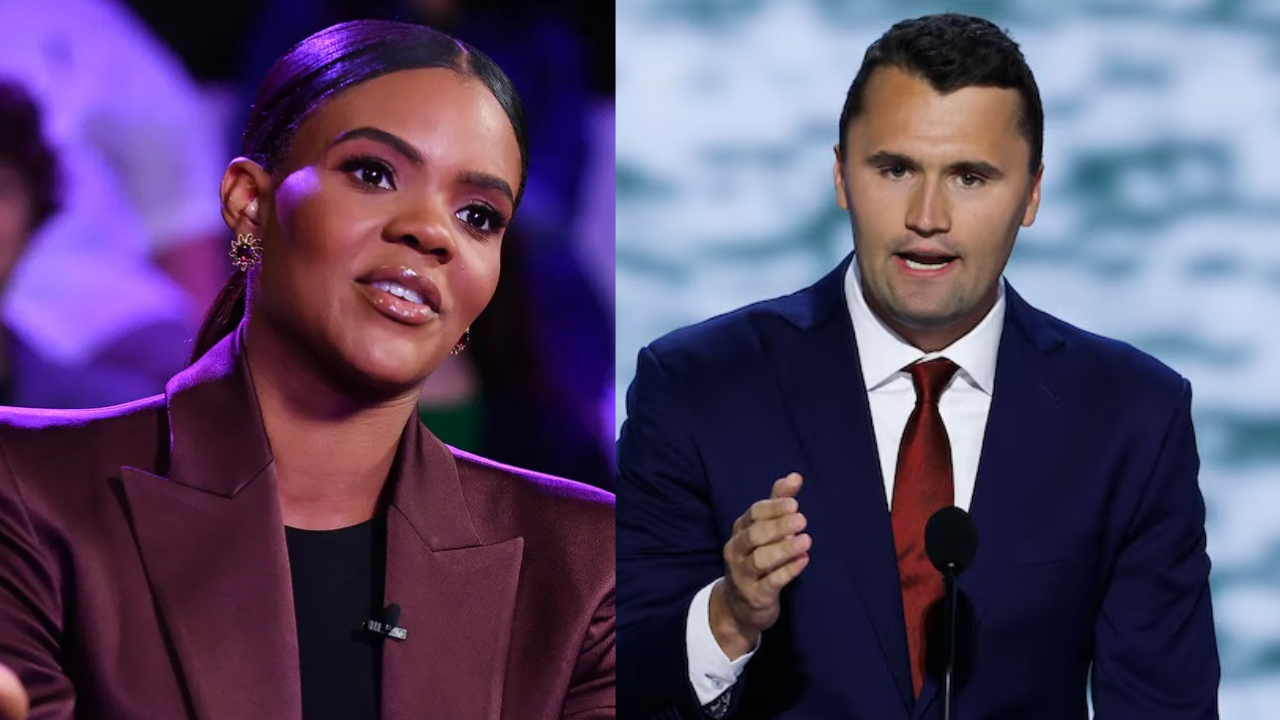
Transparency doesn't usually look like a public shouting match between ideological allies, but political investigations rarely follow standard rules. When conservative commentator Candace Owens publicly pressed Turning Point USA and Turning Point Action for concrete answers regarding surveillance footage, it exposed a deeper friction point within right-leaning media circles. People want accountability, but they disagree sharply on who gets to handle the evidence.
The tension centers on a simple question: when high-profile incidents happen on heavily monitored properties or at major organizational events, why isn't raw, unedited camera data immediately made available to independent investigators or the public? Owens didn't just ask for vague statements of solidarity; she demanded specifics about vehicle descriptions, the number of individuals involved, and direct camera logs. Organizations caught in the middle often default to corporate PR containment, working closely with federal authorities rather than opening up crowd-sourced digital investigations. That gap creates fertile ground for skepticism. For an alternative perspective, consider: this related article.
The Problem With Controlled Information Flow
Major political organizations operate under heavy legal liabilities. When security breaches, property vandalism, or violent threats occur, institutional lawyers instantly step in. Their primary directive isn't satisfying public curiosity or satisfying independent podcasters; it's protecting the organization from civil liability and coordinating strictly with law enforcement.
This creates an immediate clash with independent commentators who treat public interest as a mandate for real-time disclosure. If you've ever managed event security or crisis communication, you know that handing over raw footage to independent actors before an official investigation concludes is a legal nightmare. Yet, from an audience perspective, withholding these details breeds instant distrust. People smell a cover-up even when standard institutional caution is the only real culprit. Similar analysis on this trend has been published by Al Jazeera.
Why Digital Crowdsourcing Challenges Traditional Gatekeeping
We live in an era where decentralized digital sleuths routinely pick apart official narratives faster than traditional authorities can type up a press release. When high-profile figures or organizations withhold camera angles or delay releasing basic timeline facts, internet investigators fill the vacuum with alternative theories.
Owens pointed out that relying solely on political statements or blaming external ideological opponents doesn't replace hard data. Viewers don't just want to hear that an organization is cooperating with law enforcement; they want to inspect the physical evidence themselves. This shift represents a massive change in political media. Audiences no longer accept institutional authority at face value, even when it comes from organizations they otherwise support.
Navigating the Fallout of High-Profile Security Gaps
Organizations hosting major public figures face mounting pressure to upgrade physical security while maintaining public accessibility. When incidents happen, the immediate aftermath usually features conflicting accounts, frantic internal communications, and a scramble to secure digital assets.
If you are following these developments closely, look past the social media posturing. The real story isn't just about a single political disagreement; it's about how modern digital infrastructure forces institutions to choose between traditional legal protection and total radical transparency. Until organizations learn to balance institutional risk with open-source accountability, these clashes will keep happening every time a security camera rolls.
Charlie Kirk murder suspect appears in court as judge weighs media access
This video provides additional context regarding court proceedings and the ongoing public debate surrounding media access to evidence in high-profile investigations.