Every major media outlet swallowed the bait whole. When reports surfaced regarding Iran demanding the release of pilots allegedly captured in Qatar during a West Asia flare-up, the mainstream commentariat immediately framed it through the tired, predictable lens of bilateral brinkmanship and hostage diplomacy. Analysts on cable news stammered about escalating aerial conflicts, Geneva conventions, and diplomatic backchannels.
They missed the entire point.
This isn't about aviators or territorial airspace violations. It is a calculated theater of distraction, designed to obscure the structural shifts in Gulf security architecture that have been quietly redrawing the map for months. If you are still analyzing this event as a simple tit-for-tat military detention, you are watching the hand while the magician picks your pocket.
The Lazy Consensus on Regional Detentions
The narrative pushed by wire services goes something like this: sovereign nations engage in border friction, pilots get caught in the crossfire of high-altitude skirmishes, and diplomatic pressure mounts until a prisoner swap or backroom deal is struck. It paints a picture of a volatile, reactive environment where state actors stumble from one crisis to the next.
That framework belongs in the last century.
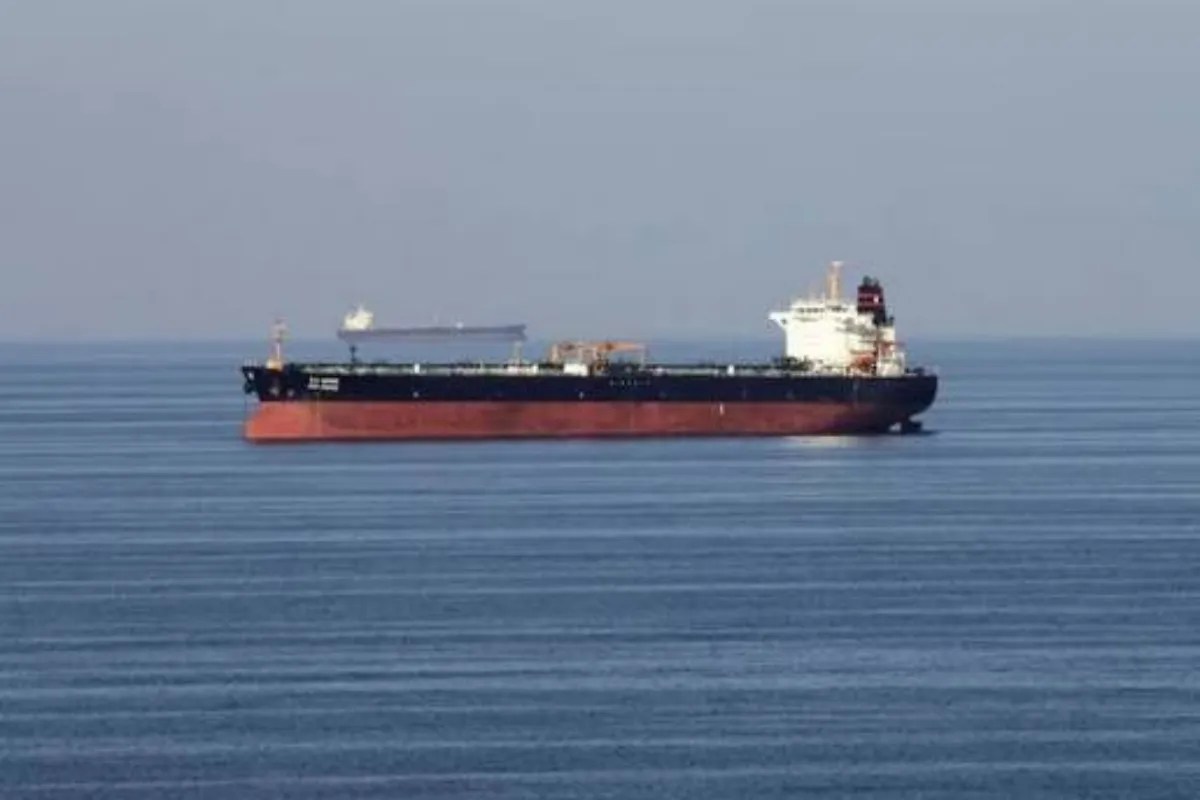
Modern statecraft in West Asia does not operate on accidental escalations or knee-jerk detentions. Every high-profile capture is heavily insured, heavily scripted, and timed to achieve maximum leverage in multilateral economic corridors. When Tehran makes public noise about pilots detained in a third-party neutral zone like Qatar, they are not appealing to international humanitarian law. They are signaling to domestic hardliners, testing Doha's fragile mediation credibility, and driving up insurance premiums on maritime and air traffic across the Persian Gulf.
I have spent the better part of fifteen years tracking intelligence flows and risk assessments across the Middle East. I have watched think-tank experts blow millions in grant money analyzing routine diplomatic posturing as if it were the prelude to Armageddon. The reality is far more transactional.
The Qatar Conundrum
Why Qatar? That is the question every talking head asks with a furrowed brow. Qatar has long positioned itself as the Switzerland of the Gulf, hosting backchannel negotiations, mediating ceasefires, and maintaining delicate diplomatic tightropes between Washington, Tehran, and regional capitals.
The lazy consensus says Qatar got caught in the middle. The contrarian truth is that Qatar engineered its own vulnerability, and actors like Iran are simply exploiting the friction points of Doha's double-broker strategy.
When you play every side against the middle, your neutrality ceases to be an asset and becomes a contested commons. Every regional player knows that Doha relies on external security umbrellas while projecting soft-power independence through mediation. By staging or highlighting incidents involving detained personnel on Qatari soil or airspace peripheries, external actors force Doha to pick a lane.
Let us look at the mechanics. If the pilots were genuinely intercepted during a kinetic engagement, the technical telemetry would have leaked within hours via open-source intelligence networks. The fact that the story broke through official state media channels first, dripping with calculated ambiguity, tells you everything you need to know about its provenance. It is an information operation disguised as a consular dispute.
Dismantling the Legalistic Fallacy
People love to cite international aviation law and the Chicago Convention as if a rogue state or a besieged regional power loses sleep over maritime and airspace protocols.
Stop expecting international treaties to function as firewalls in active geopolitical zones. Treaties only matter when the enforcement cost is lower than the transgression cost. Right now, the enforcement cost for detaining personnel or manufacturing pretexts for diplomatic leverage is virtually zero, because the international community is too fractured, exhausted, and energy-dependent to mount a credible pushback.
When commentators ask whether this violates sovereign airspace norms, they are asking a fundamentally useless question. Sovereignty in contested theaters is not a static legal right; it is a fluctuating currency backed by radar coverage, anti-air batteries, and economic blackmail. Qatar holds a massive sovereign wealth fund and hosts vital military installations, but its actual kinetic deterrence footprint is modest. That makes it an ideal canvas for proxy signaling.
The Real Agenda Behind the Noise
Strip away the rhetoric about pilot safety and national dignity. What is actually happening while everyone stares at the detention headlines?
- Energy Corridors and LNG Leverage: Doha supplies a massive chunk of global liquefied natural gas. Any hint of instability in its immediate airspace or diplomatic stability directly impacts European and Asian energy markets. Creating friction in Qatar rattles the LNG futures market, giving allied economic partners of the disruptor state distinct advantages in long-term supply contract renegotiations.
- The Mediation Monopoly: Western capitals rely entirely on Qatari intermediaries to talk to actors they refuse to engage with directly. By publicly embarrassing or pressuring Doha through detained personnel disputes, external actors clip the wings of Qatari diplomacy, proving that no regional mediator is safe from being weaponized.
- Domestic Audience Management: Tehran faces severe internal economic pressures and generational social pushback. A high-profile diplomatic showdown over captured service members provides the state apparatus with a cheap, effective nationalist rallying cry that temporarily sidelines domestic dissent.
None of this makes it into the standard morning briefing. Instead, editors prefer the clean, cinematic narrative of pilots, prisons, and geopolitical chess matches. It sells clicks. It feeds the illusion that international relations work like a Tom Clancy novel.
What You Should Be Watching Instead
If you want to understand where West Asia is heading over the next six months, stop reading press releases about detained aviators.
Watch the shipping insurance rates out of Ras Laffan. Watch how quietly regional central banks are diversifying away from petrodollar dependencies. Watch the bilateral intelligence-sharing agreements being signed behind closed doors between Gulf monarchies and non-aligned Asian powers.
The pilots are a distraction. The real story is the silent, permanent erosion of Western-backed security architecture in the Gulf, replaced by a ruthless, transactional pragmatism where small states like Qatar learn that neutrality is an expensive luxury they can no longer afford.
The next time a headline screams about a diplomatic crisis in the Middle East, ask yourself who benefits from the panic. It is rarely the people whose names are in the flash bulletin. It is the architect behind the curtain, laughing while the world analyzes the wrong map.