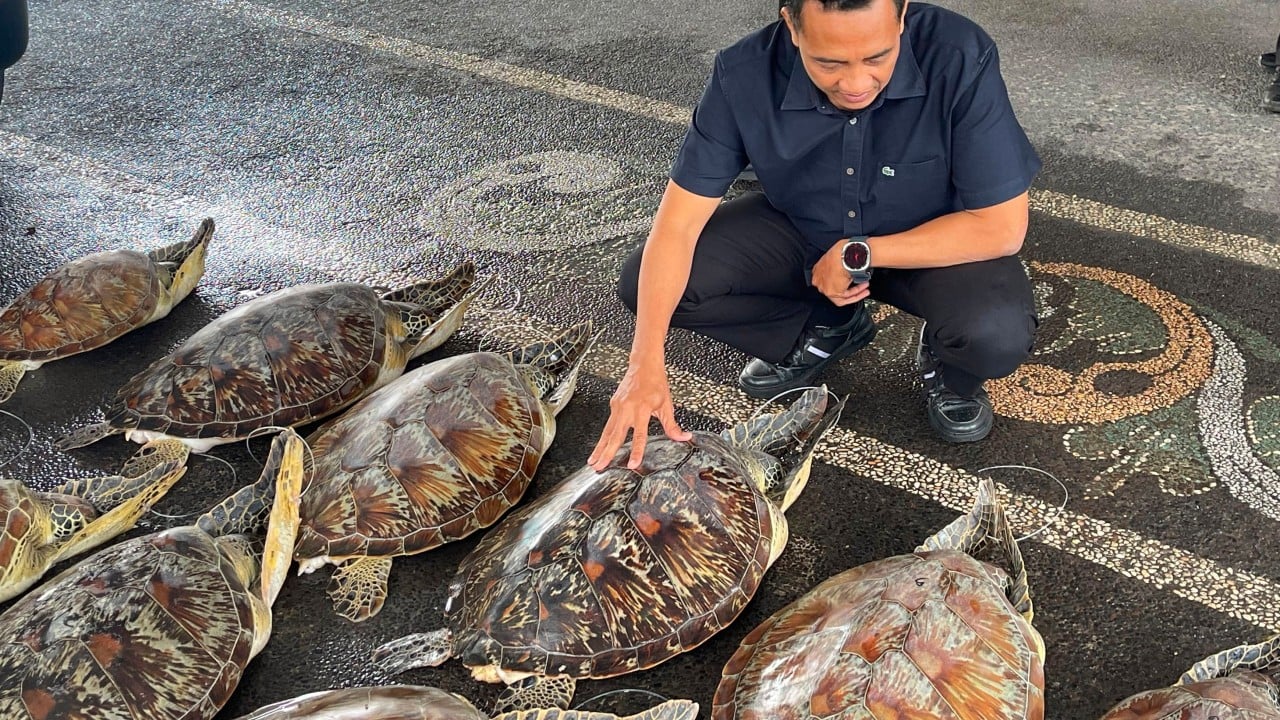
The headlines write themselves. Police raid a secluded beach in Bali. Twenty-one green sea turtles are recovered from plastic crates. Activists cheer, photographs of rescued reptiles flood social media, and authorities claim a decisive victory against the black market.
It feels good. It makes for excellent public relations.
It is also an absolute failure of economic logic that guarantees more turtles will be poached next week.
When authorities celebrate a minor seizure like the one in Bali, they are cheering a symptom while actively misinterpreting the disease. The mainstream media covers wildlife trafficking as a simple morality play: good guys with badges stopping bad guys with nets. This superficial narrative ignores the fundamental market dynamics of supply, demand, and risk premiums. By treating a multi-billion-dollar illicit trade as a localized policing issue, conservation strategies remain permanently broken.
The Perverse Incentives of Supply-Side Enforcement
Seizing twenty-one turtles does not diminish the global black-market demand for turtle meat, shells, or traditional medicine components. It alters the risk profile for the smugglers. In any illicit market, when the risk of operation increases due to law enforcement pressure, the street value of the commodity rises to compensate for that risk.
Consider the basic mechanics of illicit supply chains. A smuggler operates on a margin that accounts for asset loss, bribe costs, and potential jail time. When a shipment is intercepted, the immediate local supply drops slightly, causing the black-market price to tick upward. This price spike creates a more lucrative incentive for the next smuggler, or forces the same syndicate to double their poaching efforts to recoup their financial losses.
I have watched anti-poaching units across Southeast Asia celebrate container seizures of illicit wildlife goods for over a decade. Every single time, the market adjusts within forty-eight hours. If a syndicate loses a shipment worth fifty thousand dollars, their immediate response is not to retire and seek honest employment. Their response is to harvest seventy-five thousand dollars' worth of wildlife from a different, less-monitored shoreline to cover their debts.
Local police forces operate under a fundamental misunderstanding of asset allocation. They pour limited budgets into high-visibility coastal patrols and dramatic raids. Meanwhile, the actual financial infrastructure supporting the trade—the logistics coordinators, the corrupt port officials, and the international buyers—remains entirely untouched. A raid on a beach in Bali is the equivalent of arresting a street-level drug mule and declaring the cartel defeated.
The Flawed Premise of Conservation Tourism
The standard solution proposed by mainstream environmental organizations is to transition local communities into the ecotourism sector. The logic dictates that if locals can earn money by showing live turtles to tourists, they will stop harvesting them for meat or shells.
This premise is deeply flawed. Ecotourism is an incredibly unstable, seasonal economic engine. When a global crisis hits, or when a volcanic eruption grounds flights into Denpasar, the tourism revenue drops to zero instantly. What happens to a coastal community that relies entirely on foreign dive-tourists when those tourists disappear? They return to the extractive resources they know best.
Furthermore, ecotourism frequently creates an economic imbalance within coastal villages. The financial benefits of high-end eco-resorts rarely trickle down to the actual poachers. The individuals who possess the specific maritime skills required to track and capture sea turtles are rarely hired as marketing directors or boutique hotel managers. They remain marginalized at the bottom of the local economic ladder, while foreign investors or urban elites capture the tourism premium.
Imagine a scenario where a local fisherman can earn a month's income from a single night of illicit harvesting, versus earning a fraction of that by waiting for a handful of backpackers to rent a kayak. The economic choice is rational, even if it is illegal. Until conservation strategies address the baseline economic disparity of the individuals actually pulling animals from the water, law enforcement raids remain an expensive game of whack-a-mole.
Moving Beyond the Raid Mentality
The obsession with rescue operations distracts from the institutional reforms required to actually suppress illicit wildlife networks. Real enforcement does not look like a dramatic beach arrest. It looks like forensic accounting, international wire tracking, and the systematic purging of corruption within maritime customs agencies.
If governments want to protect marine biodiversity, they must stop funding symbolic policing and start targeting the financial nodes of the trade.
- Track the money laundering networks that mask the profits of transnational wildlife syndicates.
- Implement strict, independent auditing of regional ports and customs officials who facilitate the transport of large illegal cargoes.
- Establish legally binding, community-managed marine zones that give local fishermen direct ownership and long-term financial stakes in the health of their local ecosystems, rather than relying on fickle tourism dollars.
The Bali seizure was not a victory. It was a stark reminder that the current enforcement model relies on continuous, low-level interventions that change nothing about the underlying market reality. Celebrating these minor victories allows authorities to avoid the difficult, unglamorous work of dismantling the economic structures that make poaching profitable in the first place. The turtles are released back into the ocean, but the market conditions that marked them for capture remain completely unchanged.