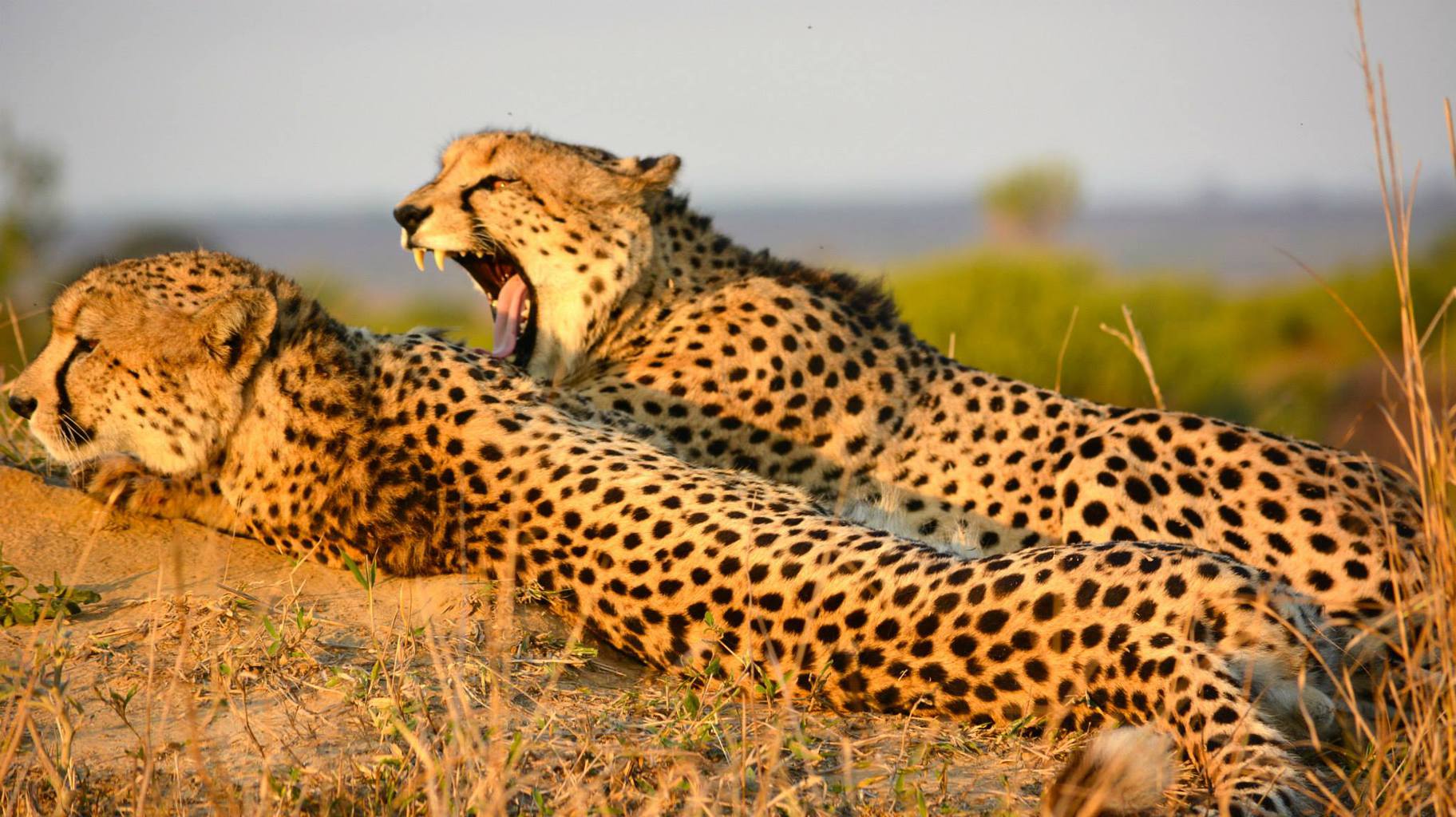
Bengaluru's wildlife scene just got a massive speed boost. Four cheetahs from South Africa have officially touched down at Bannerghatta Biological Park (BBP), marking a major moment for conservation efforts in Southern India. You've probably heard about the national cheetah reintroduction project in Kuno, but this move to Bengaluru is different. It isn't just about dumping cats in a forest. It's a calculated move to diversify the gene pool and educational value of one of India's most visited biological parks.
Bannerghatta isn't new to big cats, but cheetahs are a different ball game. They're fragile. They're high-maintenance. Honestly, they're the "divas" of the African savannah. Bringing them into the humid, scrubby environment of Bengaluru requires more than just a sturdy fence. It requires a rethink of how we manage captive endangered species.
The Journey from South Africa to Bengaluru
Transporting the world's fastest land animal across continents isn't as simple as putting them on a plane. These four individuals—two males and two females—were selected based on their health profiles and genetic diversity. The goal is simple. We want a self-sustaining population that can eventually contribute to wider conservation goals.
The logistics were intense. These cats traveled thousands of miles in specialized crates, monitored every step of the way by vets who specialize in carnivore sedation and stress management. When they arrived at Kempegowda International Airport, they weren't rushed to a public enclosure. That would be a death sentence for a stressed animal. Instead, they went straight into a mandatory quarantine zone.
Quarantine is the Most Critical Phase
Right now, you can't see them. That's for a good reason. The first 30 days are purely about survival and adaptation. South African pathogens are different from Indian ones. These cheetahs need time for their immune systems to recalibrate.
During this period, the BBP staff is watching everything. How much are they eating? Are they drinking enough water? Are they pacing or hiding? Stress is the biggest killer of cheetahs in relocation projects. If they don't settle down mentally, their physical health won't matter. The staff at Bannerghatta has been training for months for this, studying the failures and successes of the Kuno project to ensure these four don't just survive but thrive.
Why Bengaluru Climate Might Actually Work
People worry about the weather. They think cheetahs only belong in the blistering heat of the Kalahari. But Bengaluru's climate is actually quite moderate. The scrub forest of Bannerghatta mimics the open woodlands where cheetahs often hunt. Unlike the dense jungles of the Western Ghats, the BBP area provides the line of sight these cats need to feel secure.
They are visual hunters. They need to see their surroundings. The terrain here offers a mix of shade and open ground. It's arguably better than the extreme temperature swings found in Northern India. The real challenge won't be the heat; it'll be the monsoon. Cheetahs hate being wet and cold for long periods, so the design of their holding shelters is going to be the deciding factor in their long-term health.
Beyond the Spectacle of Tourism
Let's be real. Cheetahs bring in crowds. They're beautiful, sleek, and carry an air of prehistoric mystery. But if Bannerghatta treats them like mere exhibits, they've failed. These four cats are part of a larger international effort to stabilize the species.
South Africa has been incredibly successful in managing cheetahs in fenced reserves. India is trying to learn that model. By keeping these animals in a controlled but expansive environment like Bannerghatta, researchers can study their behavior, breeding patterns, and dietary needs in an Indian context. This data is gold. It helps the scientists working in the wild at Kuno and Gandhisagar understand what to expect as the wild population grows.
What This Means for Your Next Visit
Don't expect to see them tomorrow. The park is being very tight-lipped about the exact date they'll be moved to the public display area. They're prioritizing the animals' comfort over ticket sales, which is exactly how it should be.
When they do finally debut, expect a different kind of viewing experience. You won't find them in a small cage. The cheetah enclosure at Bannerghatta is designed to give them room to hit at least a fraction of their top speed, though they rarely sprint unless they're hunting.
If you're planning a trip once they're out of quarantine, keep these things in mind.
- Go early. Cheetahs are most active in the cool of the morning.
- Stay quiet. They have incredibly sensitive hearing and large crowds making noise will just drive them into the bushes.
- Bring binoculars. They love to lounge on high ground or under thickets, often quite far from the viewing fence.
This arrival is a massive win for Karnataka's forest department. It puts Bannerghatta on the global map for carnivore conservation. More importantly, it gives these four South African cats a chance to be the founders of a new legacy in Southern India. Check the official Bannerghatta Biological Park website for updates on the quarantine lift. Once they're cleared, get your tickets for the safari early, because the crowds will be massive.