Headlines about the South China Sea usually feature water cannons, blocked supply ships, and jagged metal collisions. It is a high-stakes maritime standoff. Yet, periodic diplomatic notes mention law enforcement channels staying open. It sounds contradictory. How do you cooperate with a neighbor actively ramming your coast guard?
The reality of China-Philippines relations is split in two. At sea, you see aggressive gray-zone tactics. Behind closed doors, officials occasionally talk about transnational crime, drug trafficking, and police coordination. People get confused by this disconnect. They assume diplomacy works like a light switch. It is either total peace or total war. International relations are never that clean.
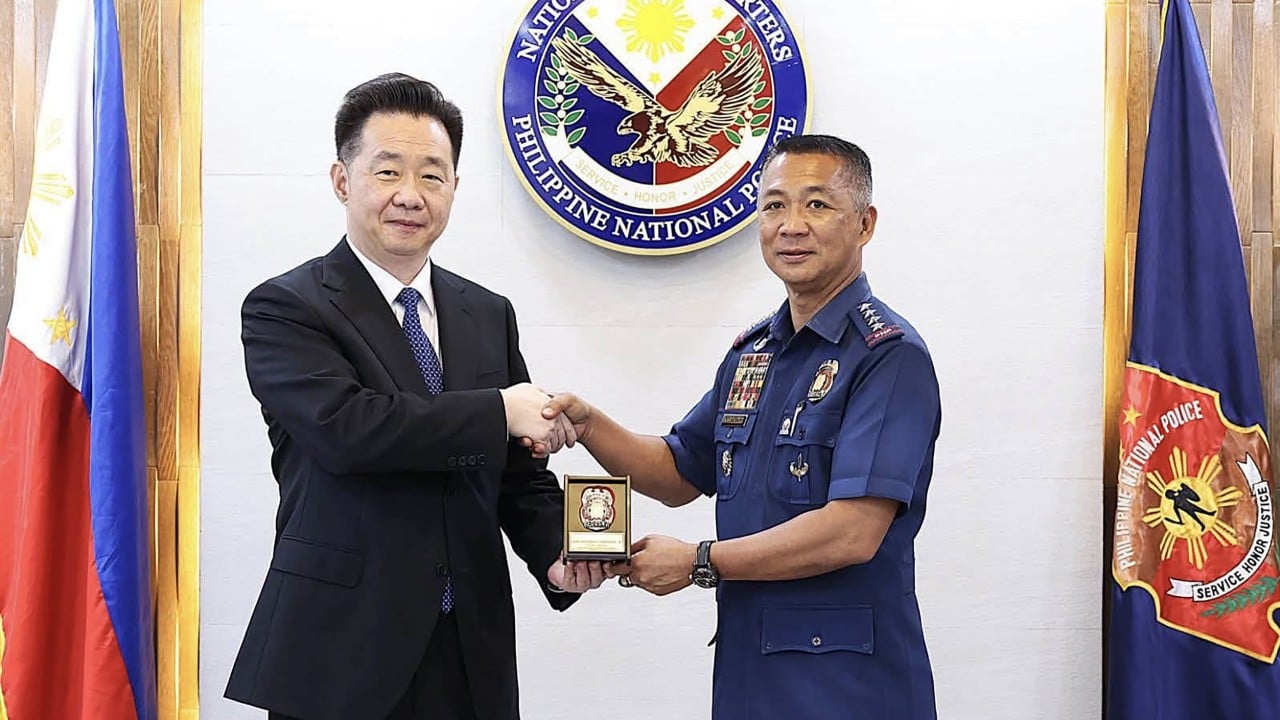
Let's look past the press releases. When police agencies from Beijing and Manila talk about cooperation, they aren't discussing maritime boundaries or overlapping territorial claims. Those disputes belong to navies, diplomats, and international tribunals. Instead, functional law enforcement deals usually target underground economies that bother both capitals equally.
The Narrow Scope of Law Enforcement Agreements
Transnational syndicates don't care about dashed lines on a map. Drug networks, human trafficking rings, and cyber scam operations routinely use the porous borders of Southeast Asia to launder money and hide operatives.
In the past, bilateral police talks focused heavily on specific transnational crimes. Officers swap intelligence on criminal syndicates operating across regional hubs. These functional arrangements allow operational units to bypass the louder geopolitical noise for a few hours. But do not mistake this for friendship. It is compartmentalized pragmatism.
When coast guard cutters are clashing near Scarborough Shoal, working-level police attachés might still coordinate on a fugitive extradition. Governments can fight over reefs while simultaneously deporting transnational cyber scammers. The left hand regularly ignores what the right hand is doing in modern statecraft.
Why Strategic Friction Overrides Bureaucratic Harmony
You cannot separate technical police cooperation from the broader strategic reality. The foundational friction in the South China Sea comes down to incompatible legal frameworks. The Philippines operates under the United Nations Convention on the Law of the Sea. China pushes its expansive historic claims.
When domestic police bodies try to bridge this gap, they hit a wall. Local security analysts point out that trust is currently near zero. Every time a water cannon fires near the Second Thomas Shoal, any goodwill generated by a joint anti-crime meeting evaporates instantly.
Domestic politics in Manila also changed the equation. President Ferdinand Marcos Jr. shifted away from the softer approach of previous administrations. Transparency became a core strategy. The Philippine Coast Guard regularly publishes footage of encounters. Once every hostile maneuver is public, political leaders have very little room to pretend that normal bilateral ties are thriving.
What the Public Misunderstands About Regional Diplomacy
Many observers think international agreements signal genuine alignment. They assume a signed memorandum of understanding means hostility is ending. That is a mistake.
Bilateral channels remain open because completely cutting communication lines is dangerous. Militaries and law enforcement agencies maintain basic communication protocols precisely to prevent accidental escalation from turning into a full-scale shooting war. These channels are safety valves, not friendship bracelets.
If you want to track where this relationship is actually heading, ignore the low-level bureaucratic cooperation on economic crimes. Watch the operational theater at sea instead. Watch how supply missions are handled. Watch the defense pacts Manila signs with outside partners like the United States and Japan. Those actions dictate the actual temperature of the region.
Diplomatic doublespeak will always exist. Governments need to project normalcy even while preparing for conflict. Look at the concrete actions on the water rather than the paperwork signed in air-conditioned conference rooms. That tells you everything you need to know.
Manila Condemns China's Aggression
This video discussion examines the ongoing maritime confrontations and the reality behind regional security dynamics in the South China Sea.