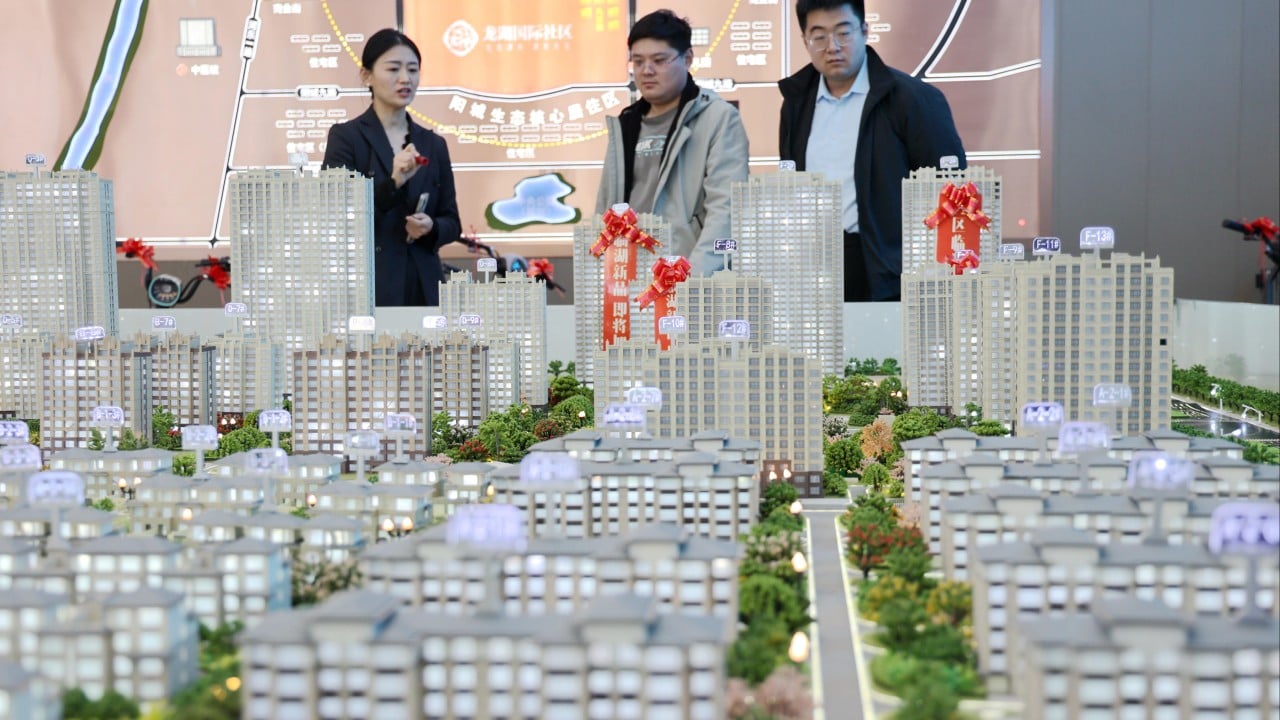
Every analyst with a Bloomberg terminal and a half-baked macro theory has spent the last year weeping over China's tightening housing presale rules. The lazy consensus is deafening. Real estate commentators look at escrow restrictions, strict milestone payouts, and constrained liquidity, then conclude that Beijing is hammering the final nails into the coffin of the property sector. They tell you that developers are being starved of cash, that construction will grind to a halt, and that the traditional Chinese developer business model is dead.
They are completely, fundamentally wrong.
I have watched executives burn through millions chasing bloated land banks under the old, reckless zero-margin playbook, and I can tell you right now that reforming the presale mechanism is not a death sentence. It is a forced detox. For decades, the Chinese real estate market operated on an insane financial Ponzi scheme disguised as a business model: sell an apartment that hasn't been built, take the cash, immediately flip it into a land auction for the next parcel, and pray prices never stop climbing. When Evergrande and Country Garden blew up, the math caught up with them.
The new rules do not destroy developers. They eliminate the sloppy operators and hand an absolute monopoly on survival to the disciplined.
To understand why the crowd has misread this entirely, you have to look past the superficial headline of "restricted cash flow" and examine the mechanics of survival in a post-presale world.
The Myth of the Free-Floating Cash Cow
The primary complaint from the executive suites is that tying presale funds to construction milestones strips developers of their working capital. Under the old regime, pre-sales functioned as zero-interest, unsecured loans from retail buyers who were essentially financing their own concrete. Developers could siphon those funds out of escrow accounts with creative accounting or bureaucratic blind spots, using homeowner deposits to fund unrelated land grabs three provinces over.
When those projects stalled, millions of middle-class families were left paying mortgages on unfinished holes in the ground. Beijing stepped in not out of spite, but out of sheer systemic self-preservation. Social stability requires finished apartments, not speculative corporate balance sheets.
Critics argue that freezing these funds until construction hits specific structural milestones strangles liquidity. That is true if your entire operational strategy relies on robbing Peter's presale to pay Paul's land acquisition. But let us call that what it actually was: shadow banking with consumer deposits.
Imagine a scenario where a manufacturing company sells cars that won't be manufactured for three years, takes the cash upfront, and immediately spends it on a speculative real estate portfolio instead of steel and rubber. In any other industry, that is treated as financial malpractice. In Chinese real estate, it was called Tuesday.
Restricting escrow accounts forces a return to fundamental corporate finance. You build the asset, you prove it exists, you get paid. Groundbreaking stuff.
Why Surviving Players Will Mint Money
When you remove easy leverage, you weed out the gamblers. What remains? Operators with actual balance sheet hygiene.
The new rules create a massive market consolidation effect. Small and mid-tier developers who relied entirely on high-velocity presale cash to service short-term debt are being liquidated or absorbed. This leaves the field wide open for state-backed giants and hyper-disciplined private players who can finance construction through traditional, boring equity and construction loans rather than retail crowd-sourcing.
Fewer competitors mean higher pricing power for those left standing. When supply contracts because sub-par developers can no longer launch projects without capital backing, the remaining inventory commands higher margins. The developers whining about the new rules are the ones who never learned how to manage cash flow without leaning on consumer credit.
Furthermore, the quality premium is about to skyrocket. Buyers are terrified of unfinished towers. When a developer can credibly stamp "Milestone Verified Escrow Protected" on their marketing collateral, consumer trust returns. Trust in a shattered market is the rarest and most valuable commodity on earth. Companies that adapt to the friction will charge a premium for certainty.
The Operational Reality Check
Admitting the downside of this transition is necessary because it is not painless. Transitioning away from the pre-sale addiction causes short-term pain. Return on equity drops initially. Balance sheets look sluggish while projects crawl through strict inspection gates before funds unlock. Firms that used to turn over capital four times a year now have to wait eighteen months to realize cash flow on a single tower.
If your valuation model depended on hyper-growth fueled by perpetual leverage, your stock is dead money.
Yet, stability is worth the valuation haircut. The previous era was a ticking time bomb. Every developer operating in China knew the music would eventually stop; they just wanted to make sure they weren't holding the bag when it did. Now, the rules are codified. The parameters of the game are transparent, even if they are stricter. Certainty beats unmitigated chaos every single day of the week.
Smart management teams are already pivoting. They are shifting capital allocation toward asset-light models, partnering with local governments on urban renewal projects where funding structures are pre-arranged, and slashing overhead that was only justifiable during a gold rush.
Stop listening to the Chicken Littles claiming that strict escrow requirements spell the end of Chinese property development. They are mourning the death of a casino, not a business. The developers who figure out how to build apartments efficiently without treating their buyers' deposits like venture capital will own the next decade.