Subsea internet cables carry over 95 percent of all transcontinental data. They handle everything from your morning TikTok scroll to classified military communications and multi-billion dollar financial trades. When these lines go down or get tapped, whole economies stall. Now, China is offering advanced sea cable detection and monitoring technology to international clients across the Middle East, Europe, and Asia.
This isn't just about selling high-tech marine gear. It's a massive power play for control over the physical infrastructure of the global internet. Recently making waves recently: The Fishing Boat and the Typhoon.
While Western tech firms try to push Beijing out of major international cable builds, Chinese engineering companies are pivoting. They're positioning themselves as the ultimate guardians of the ocean floor, selling tools that can spot threats to subsea links. But in the messy world of maritime security, a tool that can monitor a cable perfectly is also a tool that knows exactly where to look when you want to disrupt it.
The Tech Turning the Ocean Floor Transparent
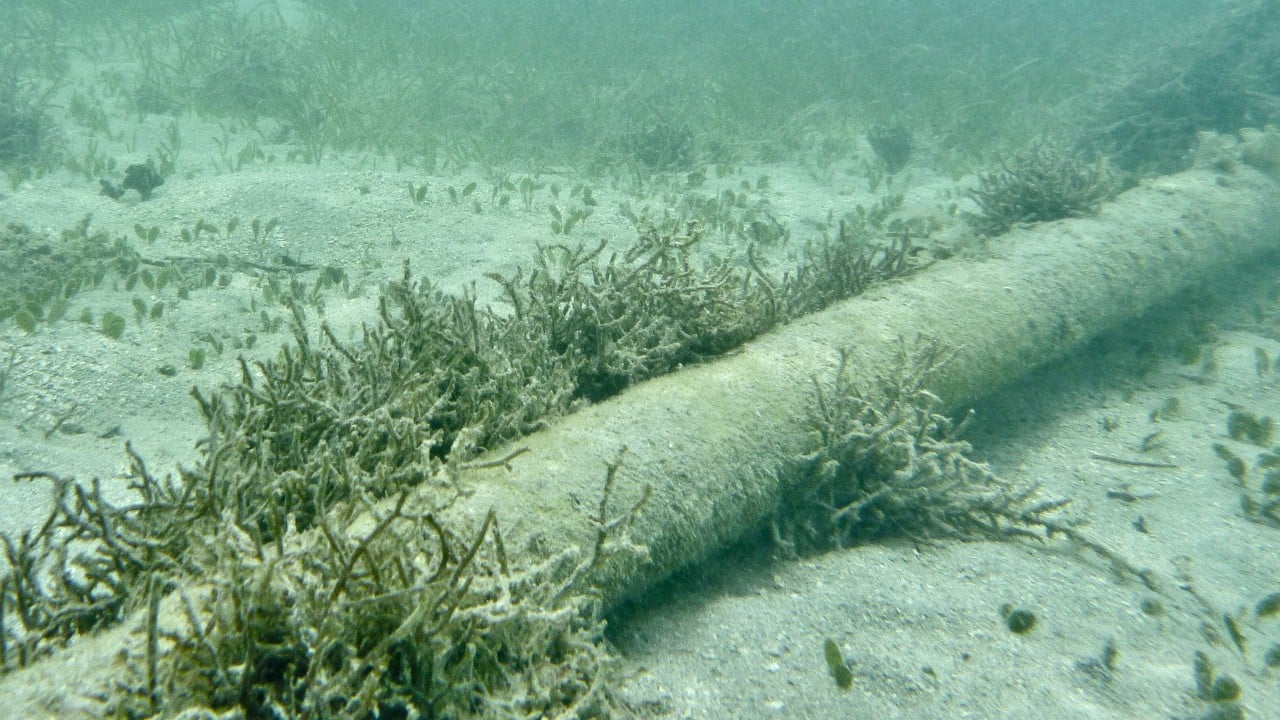
To understand why this tech is selling, you have to look at how fragile subsea networks actually are. Most cable damage happens accidentally. Commercial fishing trawlers drag heavy nets across the seabed. Cargo ships drop massive anchors in the wrong place. These accidents cost millions to fix and take weeks of specialized ship labor to repair. Further insights regarding the matter are detailed by TechCrunch.
China's latest exports focus heavily on Distributed Acoustic Sensing (DAS) and advanced marine robotics.
The concept behind DAS is brilliant but simple. Instead of laying down miles of expensive new sensors, engineers use the dark fiber optic threads already sitting inside the existing subsea cables. By sending laser pulses down the fiber and measuring the light that bounces back, the system transforms the entire cable into a giant, ultra-sensitive microphone.
It picks up the tiny acoustic vibrations of a ship passing overhead, the scrape of a boat anchor, or even the subtle rumble of a localized earthquake. The data feeds straight back to a monitoring hub on land, giving operators an instant alert and a precise location whenever something gets too close to their data pipeline.
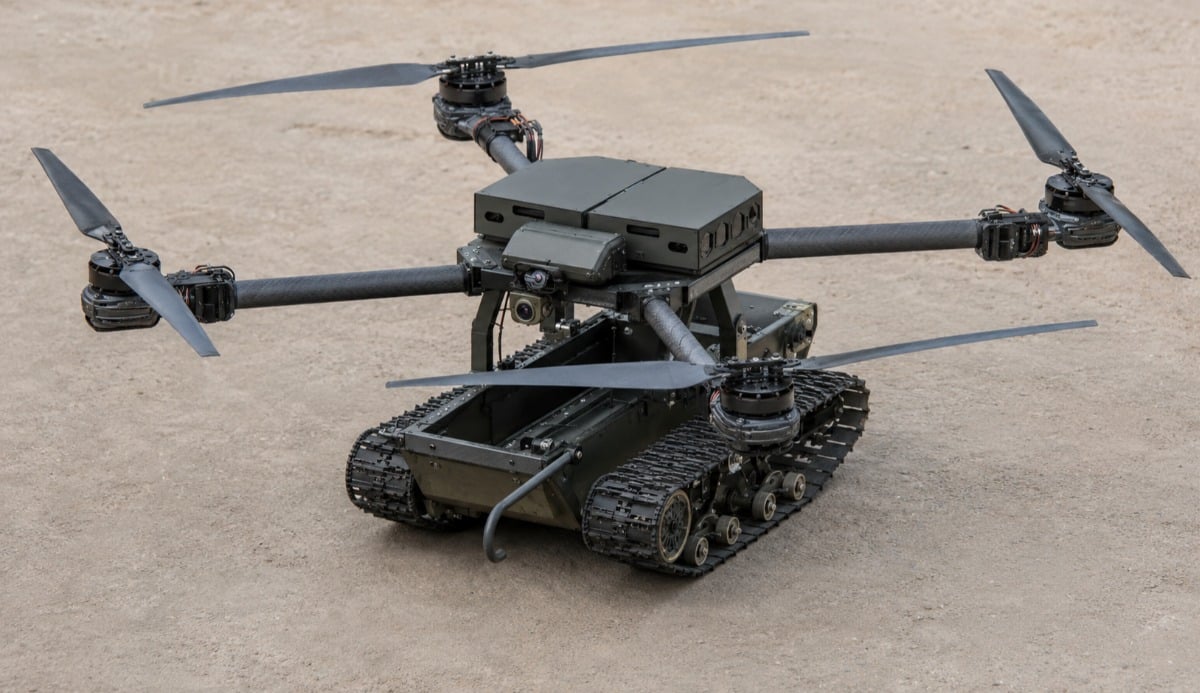
Alongside these software and fiber systems, Chinese state-supported institutions are exporting advanced uncrewed underwater vehicles (UUVs). These robots can dive to extreme depths, inspect physical damage, and track anomalies along the cable route without needing human divers or massive surface support ships.
Breaking the Western Grip on the Digital Silk Road
This tech push is a direct response to a brutal geopolitical squeeze. For years, the United States has successfully blocked Chinese companies from building major international subsea internet lines.
Take the SeaMeWe-6 cable project, a massive data link connecting Singapore to France via India and the Middle East. Originally, China's HMN Tech—formerly known as Huawei Marine Networks—was positioned to win the contract. The US government stepped in, pressured the consortium, and handed the project to an American supplier, SubCom LLC.
Beijing didn't sit back and accept the loss. Instead, Chinese telecom giants like China Mobile, China Telecom, and China Unicom poured funding into their own competing project, the EMA (Europe-Middle East-Asia) cable. They also shifted focus from just laying the glass fibers to building the security systems that protect them.
By marketing these advanced detection tools to clients in the Middle East and Asia, Beijing is cementing its role in the "Digital Silk Road." For countries in the Gulf region or Southeast Asia, the offer is highly appealing. They get top-tier marine engineering tech to safeguard their infrastructure, often at a price point Western alternatives can't match.
The Dual Use Dilemma Keeping Governments Awake
The real anxiety in Washington and Brussels isn't about commercial competition. It's about dual-use capabilities.
In maritime security, detection tech and interception tech are two sides of the same coin. If a Chinese-made system is managing the real-time acoustic data of a subsea cable network in the Mediterranean or the Arabian Sea, it creates a massive data footprint. The system knows exactly which ships are passing by, when the environment changes, and precisely where the cable is most vulnerable.
Furthermore, Western intelligence agencies point out the deep integration of civil and military research in China's marine sector. The same deep-sea robotics used to inspect a commercial internet line for a client in Asia can easily be adapted for deep-sea reconnaissance. Just recently, international analysts highlighted new Chinese vessels designed to operate at depths of up to 4,000 meters, capable of handling complex seabed tasks.
If a nation relies entirely on Chinese hardware and software to monitor its digital lifelines, it gives Beijing an unprecedented window into the health, location, and operational status of those networks. In a geopolitical crisis, that window becomes an incredible asset.
What This Means for Global Network Managers
If you run digital infrastructure or manage regional telecom assets, you can't just ignore these developments. The split between Western-backed networks and Chinese-backed networks is permanent. You are going to have to choose where your hardware comes from, and that choice carries massive regulatory risk.
Here is what you need to do to navigate this shifting landscape:
- Audit your transit routes: Know exactly who owns, maintains, and monitors the physical lines your corporate data travels through. If your traffic routes through the Middle East or East Asia, there is a high probability it touches infrastructure managed by Chinese software or hardware.
- Implement zero-trust data encryption: You cannot assume the physical wire at the bottom of the ocean is secure. Ensure all sensitive enterprise and customer data is heavily encrypted before it ever leaves your data center, rendering physical tapping or data harvesting useless.
- Build geographic redundancy: Don't rely on a single subsea corridor. If you rely heavily on the Red Sea transit point, diversify your routing through trans-Pacific networks or newer terrestrial alternatives to ensure your operations survive a localized disruption.
The ocean floor used to be a dark, silent space where cables sat undisturbed. With China actively exporting tech to map, monitor, and listen to these underwater networks, the seabed is now just as contested as the airspace above it.