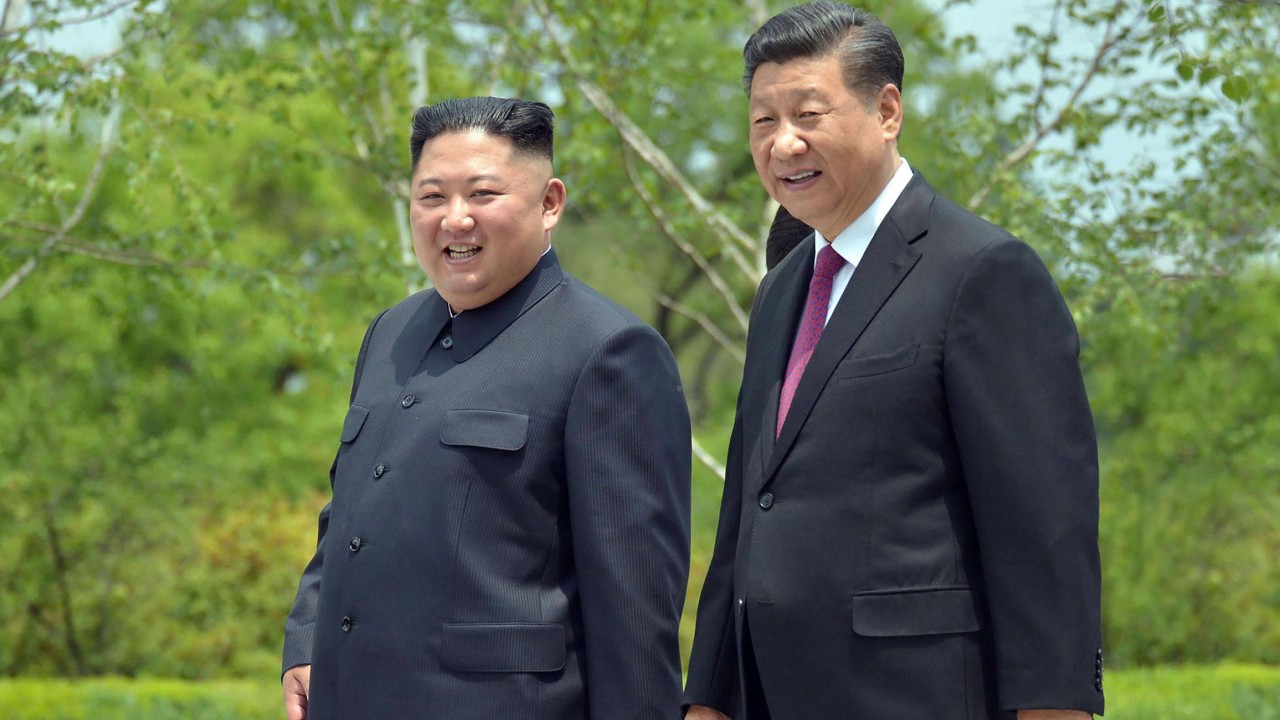
Chinese leader Xi Jinping is packing his bags for Pyongyang. The two-day state visit, locked in for June 8-9, marks his first trip to North Korea in seven years. Don't look at this as a standard diplomatic drop-in. The timing isn't accidental, and the subtext is heavy.
Everyone wants to know what Beijing and Pyongyang are plotting. You don't need to guess. The real story hides in plain sight, sandwiched between recent high-profile summits in Beijing and a sudden nuclear reveal in North Korea.
The True Motive Behind the Pyongyang Trip
Geopolitics hates a vacuum. For the past couple of years, North Korean leader Kim Jong Un has been getting incredibly comfortable with Russian President Vladimir Putin. Pyongyang didn't just send conventional weapons to back Moscow's war in Ukraine; they sent actual boots on the ground.
That partnership gave Kim a lot of leverage, but it made Beijing nervous. China hates feeling like the third wheel in its own backyard.
"As North Korea builds closer ties with Russia, China seeks to use Xi's trip to reassert its influence over Pyongyang and safeguard its strategic interests in northeast Asia," says William Yang, an analyst for the International Crisis Group.
Basically, Xi is going to remind Kim who the real boss of the neighborhood is. China remains the North's absolute lifeline for trade and financial aid. Xi's trip tells Moscow to back off the turf, and it tells Kim not to forget who keeps his economy afloat.
Trimming the Strategic Timing
Look at Xi's calendar. He isn't exactly a frequent flyer these days. Since the pandemic, the Chinese leader has dramatically scaled back his international travel. His last trip abroad was clear back in the fall of 2025 for the APEC summit in South Korea. The fact that his very first overseas trip of 2026 is to Pyongyang speaks volumes.
It comes right on the heels of a frantic diplomatic month in Beijing. Just weeks ago, Xi hosted U.S. President Donald Trump and Putin in quick succession. Xi is playing the ultimate balancing act. By traveling to North Korea now, he shows the world that China is the only superpower capable of handling all sides of an increasingly fractured global stage.
Kim Jong Un Nuclear Power Play
If you think Kim is just passively waiting to receive his guest, think again. Right before both nations confirmed the visit, North Korean state media dropped a bombshell. They unveiled a brand-new uranium enrichment facility designed to pump out ingredients for nuclear weapons.
During a heavily publicized walk-through of the plant, Kim called for boosting the country's nuclear capability at an "exponential rate."
This wasn't random timing. Kim did this intentionally to shift the power dynamic before sitting down with Xi.
- Nuclear Legitimacy: Kim wants the world—and China—to accept North Korea as a permanent, non-negotiable nuclear state.
- Sanction Leverage: By showing off teeth, Kim sets up a future play to demand the lifting of heavy U.N. economic sanctions.
- Trump Diplomacy: Trump has repeatedly stated he wants to kickstart personal diplomacy with Kim again. Kim is making it clear that denuclearization is completely off the table as a starting point.
China has always officially opposed North Korea's nuclear weapons program because it gives Washington an excuse to keep American troops and military hardware stationed in Asia. Yet, Beijing consistently protects Pyongyang from harsher penalties at the U.N. Security Council.
The Russia Factor and the New Cold War
The partnership between Beijing, Moscow, and Pyongyang is complex. It isn't a perfect alliance. It's a marriage of convenience. Last month in Beijing, Putin and Xi explicitly stated their joint opposition to foreign isolation, economic sanctions, and military pressure targeting North Korea.
Kim loves this dynamic. He openly embraces what he calls a "new Cold War" and actively pushes a multipolar world strategy. By locking arms with countries that are in direct opposition to the United States, Kim ensures his regime's survival.
For Xi, keeping North Korea stable prevents a chaotic collapse on China's northeastern border. It also maintains a crucial buffer zone against U.S. forces stationed in South Korea. John Delury, a senior fellow at the Asia Society, notes the deep symbolism of Xi visiting both Koreas within a short timeframe. The Chinese leadership loves maintaining a sense of symmetry on the peninsula.
Watch the Borders
If you want to know how serious this realignment is, look past the political theater and watch the actual infrastructure. In March 2026, direct passenger train services between Beijing and Pyongyang restarted after a six-year freeze that began with COVID-19. Air China followed suit shortly after, putting planes back in the air between the two capitals.
Right now, travel is tight. Only business travelers, diplomatic teams, and exchange students are getting across. Expect those gates to open wider after June 9.
If you are tracking global security or supply chain shifts in East Asia, monitor the immediate aftermath of this meeting. Watch for fresh economic agreements disguised as cultural exchanges, and track whether North Korea moderates its missile testing schedule over the summer months. The regional balance of power is shifting, and the June 8 summit will set the trajectory for the rest of the year.