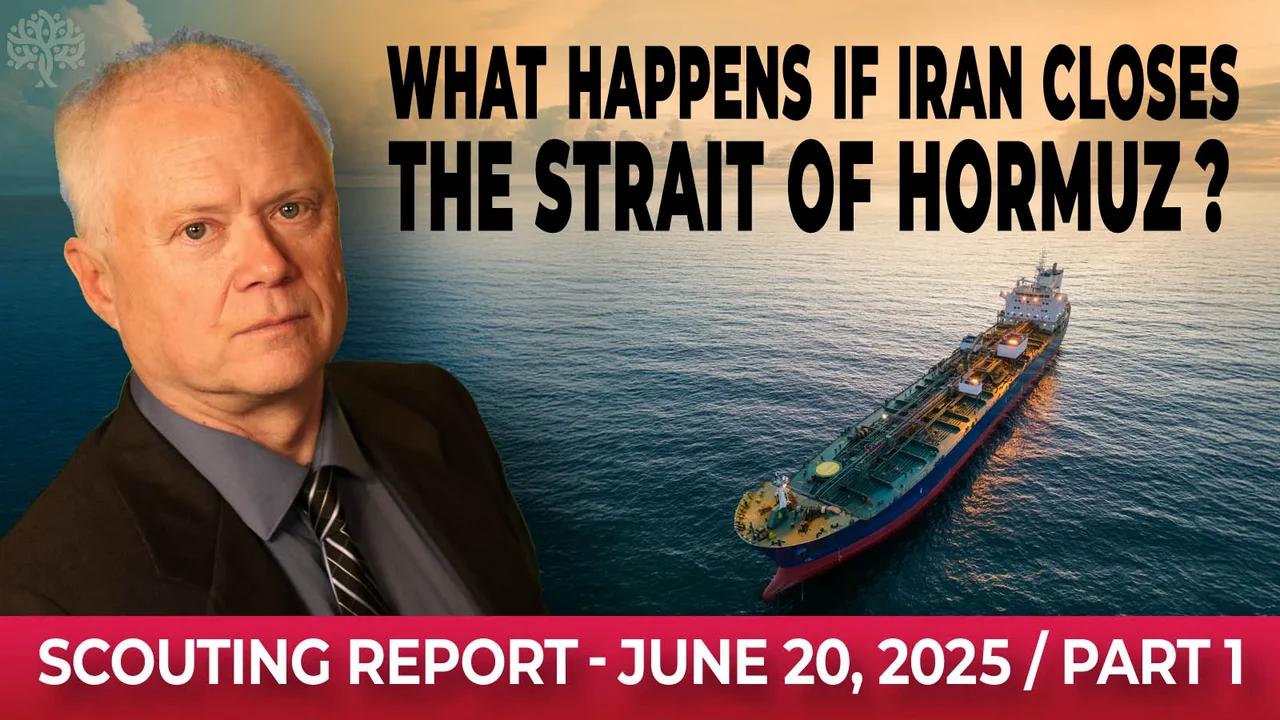
The coffee in your hand is warm, but the engine that brought it to you is fueled by a volatile tension thousands of miles away. Most people never think about the Strait of Hormuz. It is a narrow strip of water, a geological fluke, where the jagged mountains of Oman stare across at the hazy coastline of Iran. But if you were to stand on a tanker there today, you would feel the weight of the entire global economy pressing down on the waves.
The latest word from the White House suggests a conflict is "close to over," a phrase that carries the weight of a sigh and the edge of a threat. Donald Trump has signaled that the fever of a direct war with Iran might be breaking. Yet, the reality on the water tells a story of a different kind of combat. It isn’t fought with carpet bombing or trench warfare. It is a slow, suffocating squeeze.
A blockade is a quiet thing until it isn't.
The Invisible Wall
Imagine a merchant captain named Elias. He has spent thirty years navigating the world's most treacherous shipping lanes, but the Strait of Hormuz makes his pulse quicken every single time. It is only twenty-one miles wide at its narrowest point. Two miles of that are dedicated to the shipping lanes—a virtual tightrope for vessels the size of skyscrapers.
When a blockade tightens, Elias doesn't see a physical wall. He sees it on his radar. He feels it in the sudden, sharp radio commands from patrolling Iranian Revolutionary Guard fast-boats. He hears it in the skyrocketing insurance premiums that make his owners consider anchoring the ship indefinitely.
The facts are stark: about a fifth of the world’s total oil consumption passes through this needle’s eye. When the U.S. administration speaks of a conflict being nearly finished, they are betting on the success of economic strangulation rather than kinetic fire. The "war" isn't ending because the grievances are gone; it is shifting into a phase where one side is simply running out of air.
The Math of Survival
Tehran is a city of mountains and memories. For the shopkeeper in a bazaar or the student at a university, the headlines about the Strait are not abstract geopolitical maneuvers. They are the reason the price of bread jumped yesterday. They are the reason medicine is harder to find.
Sanctions are often described as surgical, but they feel like a blunt instrument to those on the ground. The logic of the current administration is simple: if the blockade on the Strait and the wider energy sector becomes absolute, the Iranian leadership will have no choice but to fold. It is a gamble on the breaking point of a nation.
Consider the numbers that dictate this pressure. Iran’s oil exports have historically been the lifeblood of its treasury. When those exports are choked off, the currency—the rial—tumbles. Savings evaporate. The "close to over" sentiment reflects a belief that the pressure has reached a terminal velocity. If you cannot sell your only valuable resource because the exit door is guarded by the world’s most powerful navy, your clock starts ticking very loudly.
The Ghost of 1988
History has a way of haunting these waters. In the late eighties, the "Tanker War" turned the Persian Gulf into a graveyard of steel. Both sides struck at the world's energy supply to spite the other. Today, the ghosts of those sailors seem to linger near the Musandam Peninsula.
The danger of a blockade is that it relies on the rationality of an cornered opponent. When the U.S. asserts that the war is wrapping up, it assumes that the tightening grip will lead to a handshake rather than a desperate swing. But the Strait of Hormuz is a trigger. If the blockade becomes too efficient, the temptation to shut the door entirely—to sink a vessel in the channel or mine the waters—becomes the only card left to play.
Elias knows this. He watches the horizon for the silhouette of a drone or the wake of a limpet mine. The tension isn't just about politics; it is about the physics of energy. If the Strait closes, the price of oil doesn't just rise. It leaps. The global supply chain, already fragile from years of pandemic ripples and regional shifts, would face a heart attack.
The Silent Victory
Winning without firing a shot is the ultimate goal of modern statecraft. The administration’s rhetoric suggests we are standing on the threshold of that achievement. By framing the conflict as nearing its end, the White House is claiming a victory of persistence. They are saying that the blockade has done what a thousand Tomahawk missiles could not: it has forced a reimagining of the regional order.
But the human element remains unpredictable. A father in Isfahan doesn't care about the nuances of maritime law or the strategic depth of the Fifth Fleet. He cares that his reality has become a series of subtractions. Subtract the commute because fuel is rationed. Subtract the meat from the table. Subtract the hope of a stable future.
The blockade is a ghost war. It leaves no craters, but it creates deep fissures in the social fabric.
The Ripple Effect
The stakes are not confined to the Gulf. Every time a politician mentions the Strait, a trader in Singapore adjusts a spread. A trucking company in Nebraska recalculates its quarterly margins. A family in London wonders if their heating bill will double by winter.
We are all connected to those twenty-one miles of water. We are tethered to the nerves of captains like Elias and the decisions of commanders in windowless rooms in D.C. and Tehran. The blockade is the ultimate expression of the modern world's interdependence. We have built a civilization that runs on a constant, uninterrupted flow of black liquid, and we have allowed the valves to be controlled by the most volatile passions of man.
The administration says the war is close to over. Perhaps they are right. Perhaps the exhaustion of the Iranian state has finally outweighed its defiance. If the blockade holds and the diplomatic channels finally crack open, it will be hailed as a masterpiece of non-lethal coercion.
But as the sun sets over the Strait, casting long, orange shadows over the hulls of the waiting tankers, the air feels heavy. Peace achieved through a chokehold is a fragile thing. It requires the one being choked to stay quiet and the one doing the choking to never let go.
Elias signals for his crew to begin the transit. The engines thrum, a low vibration that rattles the tea in his mug. He looks at the dark coastline of Iran, then at the gray silhouettes of the American destroyers on the horizon. The water is calm, a perfect, deceptive mirror.
The war might be ending, but in the Strait of Hormuz, no one ever truly relaxes their grip. The world holds its breath, waiting to see if the next turn of the screw brings a resolution or a rupture.